Home / Shop / Online Trainings / Trainings
Live Online Training - Using the Good Lives Model with Adolescents and Young Men Who Have Harmed Others
$140.00

A one-time price of $140.00 will be added to your order.
Categories: Live Online Training
Manufacturer: Safer Society Foundation


- Description
Date: January 13, 2026
Time: 11:00 am – 3:30 pm ET / 8:00 am – 12:30 pm PT
Format: Live interactive training offered via Zoom
Presented by: David Prescott, LICSW, ATSA-F (See Bio)
You must attend the entire live training and complete an evaluation to be eligible for CE credits. If you seek only psychology credits, the evaluation is optional, and you can remain anonymous.
Online Training Description:

The Good Lives Model (GLM) is a strengths-based rehabilitation practice framework that augments the risk, need, and responsivity principles of effective correctional intervention through its focus on assisting clients to develop and implement meaningful life plans that are incompatible with future offending. Originally developed for use with adults, the GLM has been successfully adapted to support adolescents and young men in developing healthy, prosocial identities.
Grounded in the principles of effective rehabilitation, this presentation by David Prescott—an internationally recognized expert in sexual violence prevention and rehabilitation—explores how the GLM can be applied to work with adolescents who behaviors have caused harm to others, including sexual and non-sexual violence. Through case examples and discussion, participants examine the model’s core elements—including primary human goods, approach goals, and the principles of effective intervention—while gaining insight into treatment methods that support change. Emphasis is placed on understanding how developmental adversity, unmet human needs, and family dynamics can influence harmful behaviors. Attention is also given to identifying obstacles to a good life plan and implementing GLM-based strategies across clinical and community settings.
By emphasizing personal meaning, positive identity development, and practical pathways to wellbeing, this training offers a comprehensive framework for fostering lasting change and reducing recidivism among youths who have caused harm.
Learning Objectives
As a result of this training, attendees will be better able to:
1) Describe the primary human goods in the Good Lives Model and their role in rehabilitation planning
2) Explain the relationship between identified risk factors and the development of approach-oriented treatment goals
3) Apply approach goals to support effective intervention strategies in clinical practice
4) Identify four common obstacles to achieving one’s good life goals
5) Describe two components of internal motivation that influence behavioral change
Interactive Follow-Up Meeting
Attendees are invited to join an open discussion 15 minutes following the end of the training, where you can engage with fellow attendees by turning on your camera and microphone. This is an opportunity to share your experiences and contribute to a meaningful exchange of ideas. Time will be allocated to address questions or insights from the training. Please note that attendance is optional and will not affect your eligibility for a training certificate.
We can refund your training fee up to 24 hours prior to the start of the training.
To view all training details and review our list of frequently asked questions, please click here to visit the promotional page.
Related Publications
-
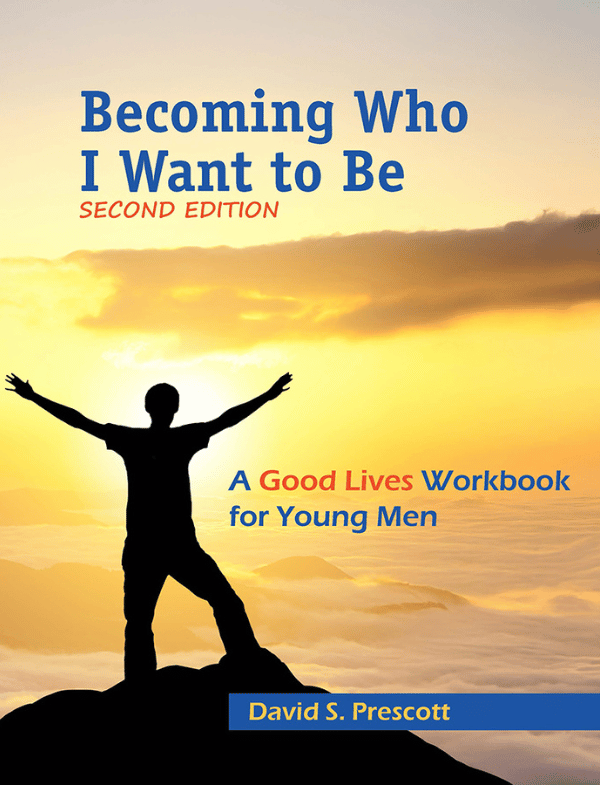
Becoming Who I Want to Be: A Good Lives Workbook for Young Men, Second Edition
Bulk discount as low as $23.80Successfully Added to your Shopping CartAdding to Cart... -
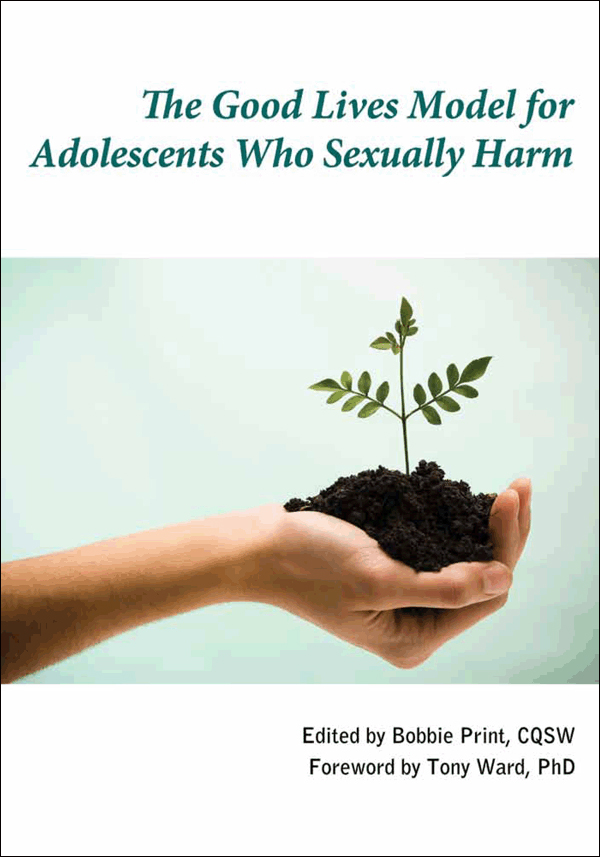
Good Lives Model for Adolescents Who Sexually Harm, The
Bulk discount as low as $28.70Successfully Added to your Shopping CartAdding to Cart... -
EARN CEUs
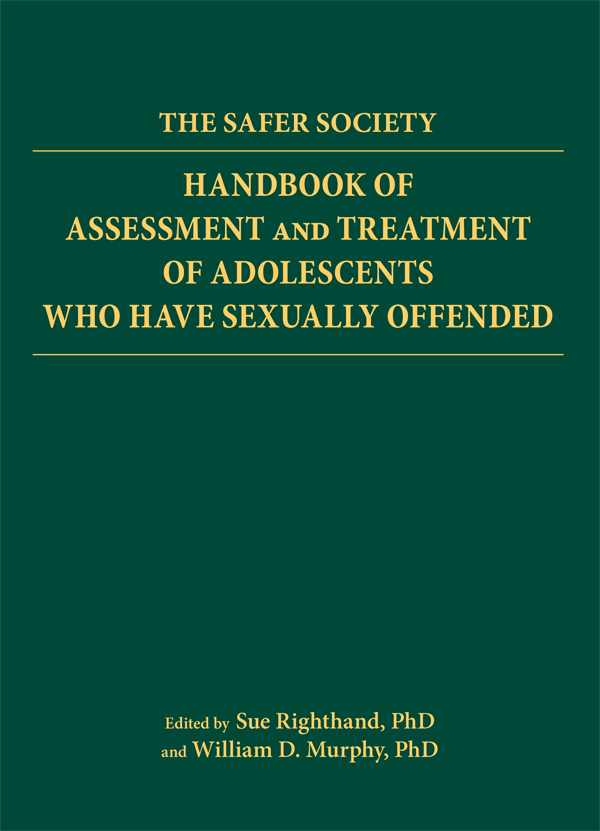
Safer Society Handbook of Assessment and Treatment of Adolescents Who Have Sexually Offended
Bulk discount as low as $35.00Successfully Added to your Shopping CartAdding to Cart... -
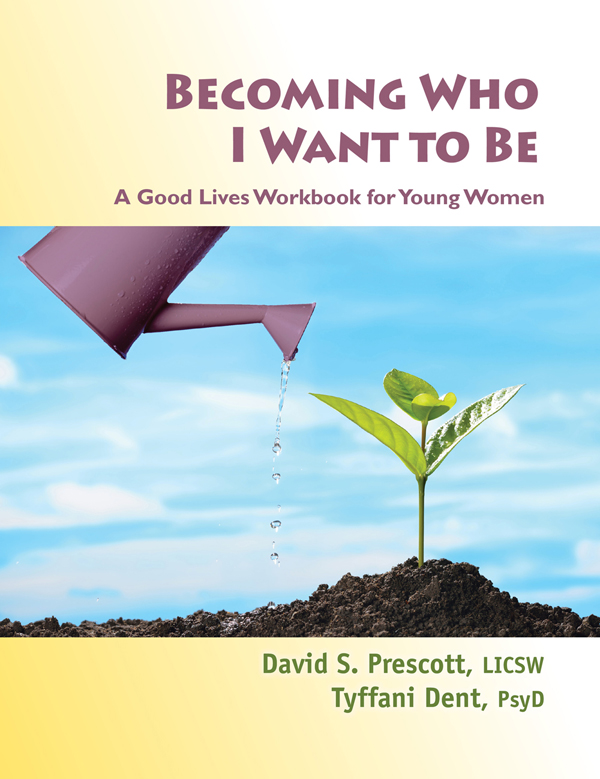
Becoming Who I Want to Be / Young Women
Bulk discount as low as $21.00Successfully Added to your Shopping CartAdding to Cart...