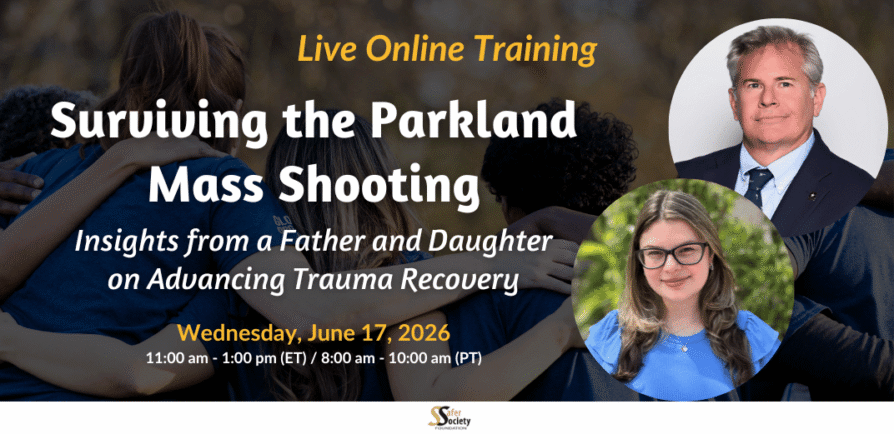
Surviving the Parkland Mass Shooting: Insights from a Father and Daughter on Advancing Trauma Recovery
Ms. Feldman and her father, Dr. David Feldman—a Parkland community member and mental health professional—developed this training to help professionals better understand both the immediate and long-term impacts of school shootings. Drawing from their perspectives as a survivor and as a clinician within the Parkland community, they explore how the mental health and wellbeing of students were addressed in the weeks and months following the tragedy. Rather than focus on the events of the shooting and the law enforcement response, Ms. Feldman and Dr. Feldman focus on what helped students feel safe. They reflect on which mental health interventions “worked,” how those interventions were presented and implemented, and what “did not work.”
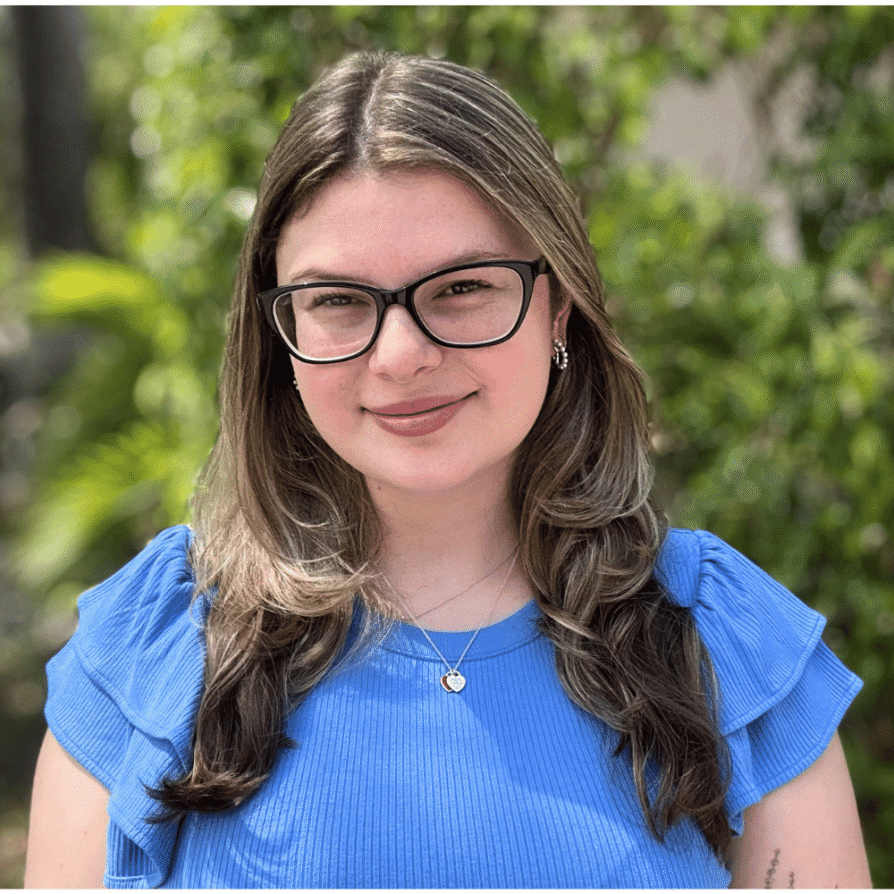
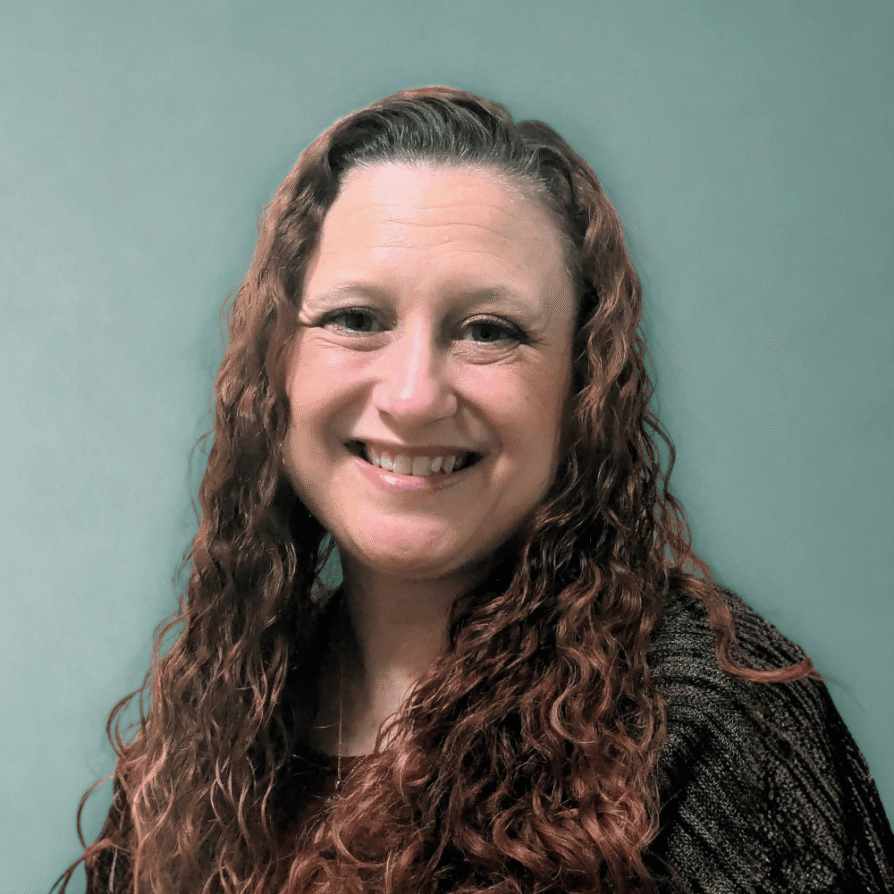
Olivia L. Feldman
Olivia L. Feldman is a survivor of the Marjory Stoneman-Douglas mass shooting, which occurred during her sophomore year. She is a graduate of the University of South Florida and is a Risk Management Specialist currently living in Tampa Florida. Olivia has been a member of several panels that discussed the MSD shootings and the effect on student safety and mental health.
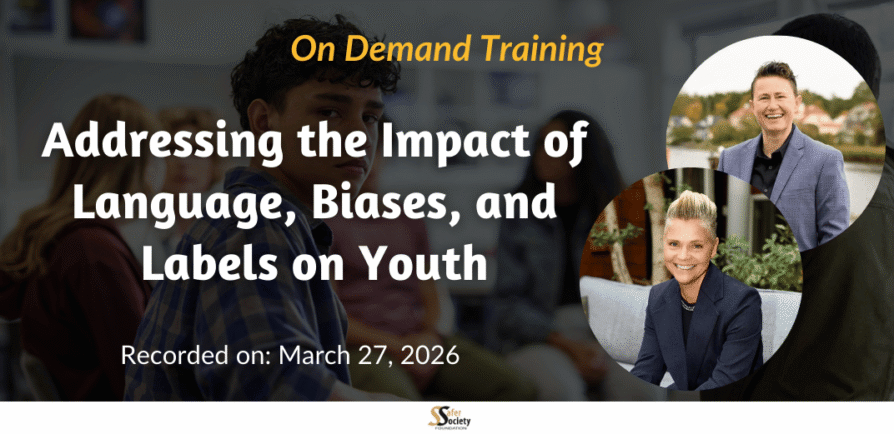
Addressing the Impact of Language, Biases, and Labels on Youth
The language that professionals use to describe young people can have significant and lasting effects. Likewise, the biases that professionals have—whether they are aware of them or not—can also influence treatment in
ways that go beyond the awareness of practitioner and client alike. Research shows that labeling can create a self-fulfilling prophecy, where youth internalize negative perceptions that ultimately undermine their self-esteem and mental health. This includes language related to sexual orientation, which can further marginalize young people, increase their sense of isolation, and reduce self-efficacy. Considering the often-fragile mental health of youths entering treatment, the stakes are very high indeed.
These biases and the challenges posed by the language we use can be overcome. Anette Birgersson and Christin Santiago developed training to thoroughly examine the consequences of language, biases and labeling. They offer strategies for recognizing and reshaping these tendencies to improve treatment outcomes and to help young people build better futures for themselves.
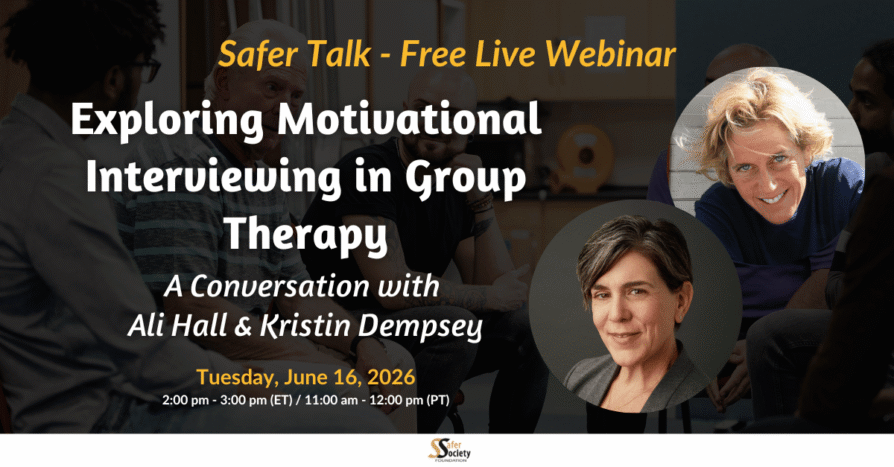
Exploring Motivational Interviewing in Group Therapy: A Conversation with Ali Hall & Kristin Dempsey
Group therapy plays a central role in the treatment of justice-involved clients and related programs. Similarly, Motivational Interviewing (MI) is a treatment of choice for numerous conditions and is widely used in forensic settings. However, relatively little has been written about the most effective ways to integrate MI into group therapy.
Building on their training on this topic, Ali Hall and Kristin Dempsey return for a conversational session introducing their work in this area. In this webinar, they explore how MI principles can enhance group therapy practice.
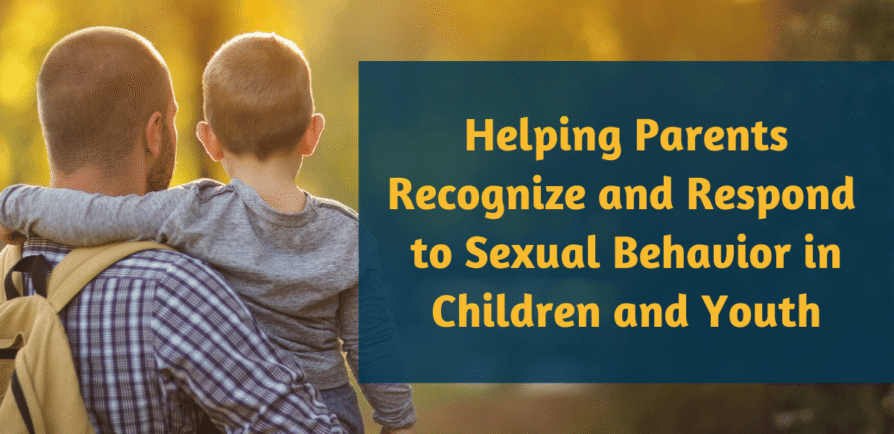
Helping Parents Recognize and Respond to Sexual Behavior in Children and Youth
Research has shown that a lack of accurate knowledge about child sexual development negatively affects a parent’s ability to both prevent and detect abuse. When parents don’t know what’s typical at a given developmental stage, they may either overreact to age-appropriate behavior (creating shame and confusion) or underreact to behavior that signals a real concern (missing opportunities for early intervention). The good news is that professionals can do something concrete to address it.
In the Safer Society training, Helping Caregivers Cope with Sibling Sexual Abuse, social worker Arliss Kurtz, MSW, RSW, RYT-500, draws on her clinical experience and current research to outline how professionals can help parents build the knowledge and confidence they need to respond to their children’s sexual behavior, whether it falls within the range of normal development or raises cause for concern.
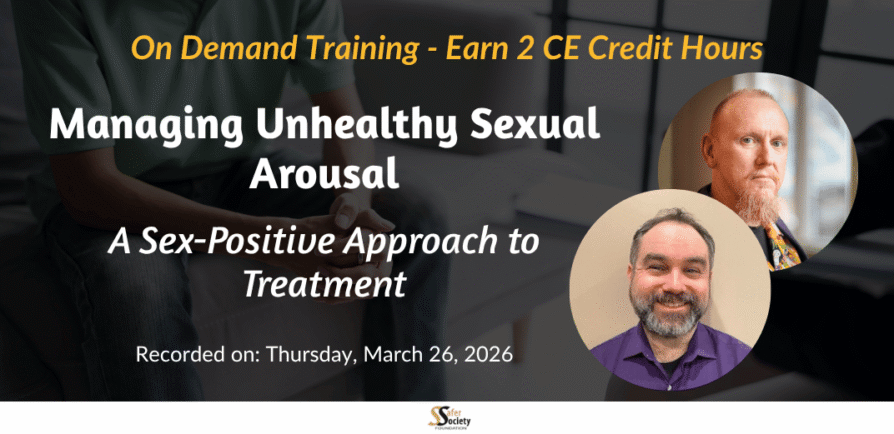
Managing Unhealthy Sexual Arousal: A Sex-Positive Approach to Treatment
Dr. Jackson and Dr. Ballinger developed this training to support professionals in adopting sex-positive, non-judgmental approaches to help clients in managing unhealthy patterns of sexual arousal patterns. Many individuals who have sexually abused have had limited sex education and few opportunities to understand the role of sexuality in their lives. Against this backdrop, it is more constructive for clients to view healthy sexuality as a goal to pursue and achieve, rather than regarding sexual arousal as something to avoid for the rest of their lives.