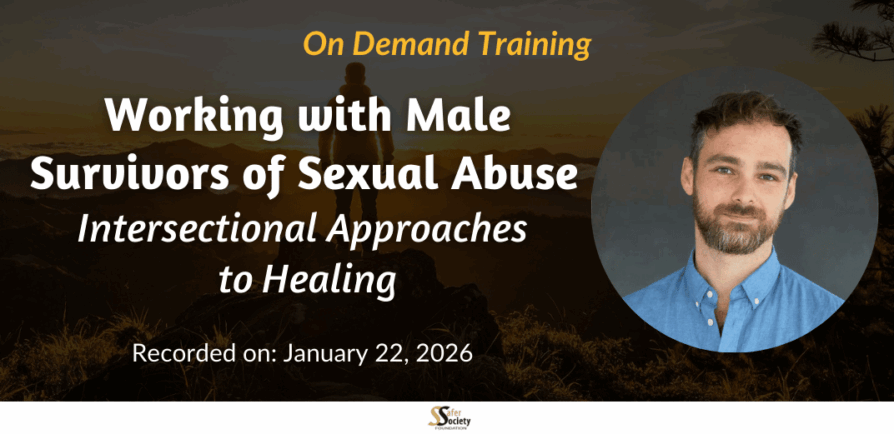
Working with Male Survivors of Sexual Abuse: Intersectional Approaches to Healing
Few experiences fill a person with a greater sense of shame, stigma, and misunderstanding than sexual abuse. Men who have been harmed sexually can become marginalized and isolated, with limited resources available
to them or those who support them. This training explores the impact of this harm on men through an intersectional lens, exploring how their unique identities, circumstances, and society’s views can either support their recovery or compound their trauma.

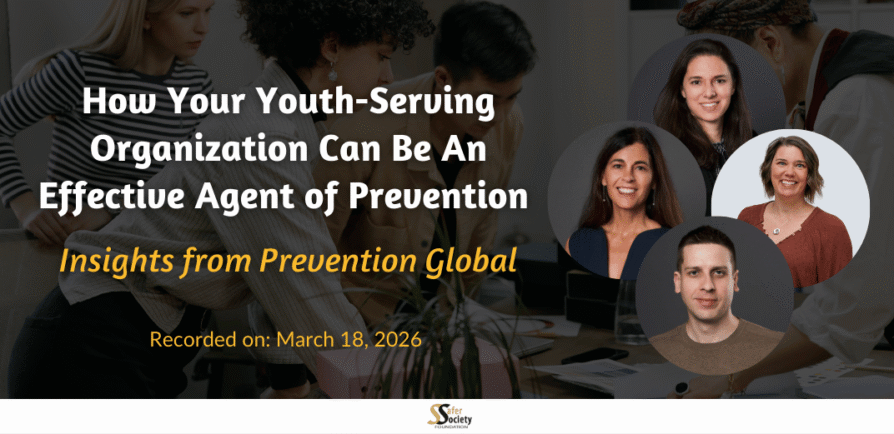
How Your Youth-Serving Organization Can Be An Effective Agent of Prevention: Insights from Prevention Global
Child abuse is preventable, and youth-serving organizations are essential allies in that prevention. Every year, these organizations engage tens of millions of children worldwide, creating opportunities to promote safety and wellbeing. In this webinar, Drs. Letourneau and Assini-Meytin, together with Mr. Ó Dochartaigh, discuss the practical applications of their work with Prevention Global and share a simple but vital message: prevention isn’t an option; it’s a necessity and a shared responsibility.



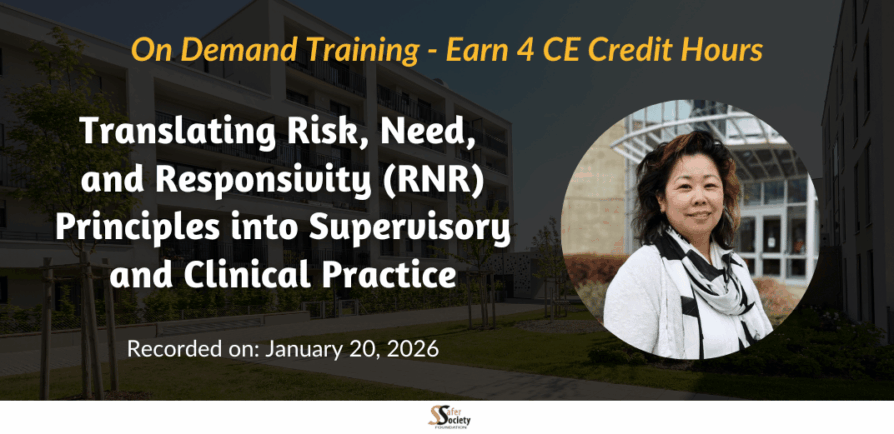
Translating Risk, Need, and Responsivity (RNR) Principles into Supervisory and Clinical Practice
Sandy Jung—an accomplished researcher, clinician, and experienced trainer—developed this training to provide professionals with practical methods for using RNR principles in their work with adult individuals convicted of sexual offenses. Drawing on her extensive expertise, she offers strategies, tools, and case examples to support effective implementation.

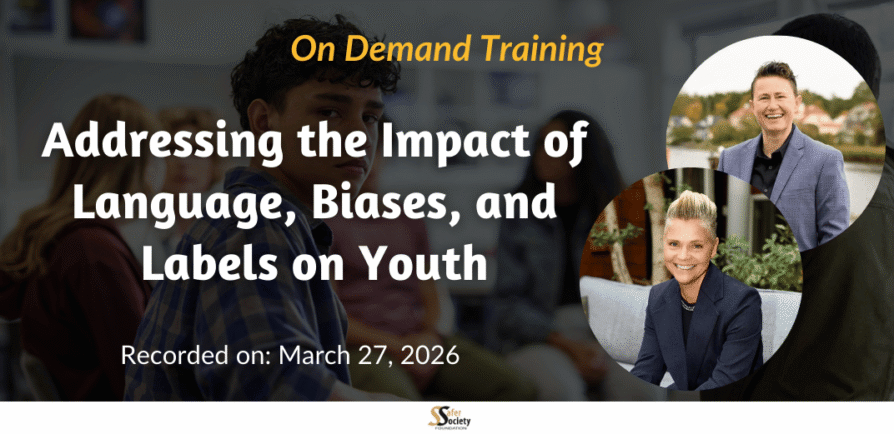
Addressing the Impact of Language, Biases, and Labels on Youth
The language that professionals use to describe young people can have significant and lasting effects. Likewise, the biases that professionals have—whether they are aware of them or not—can also influence treatment in
ways that go beyond the awareness of practitioner and client alike. Research shows that labeling can create a self-fulfilling prophecy, where youth internalize negative perceptions that ultimately undermine their self-esteem and mental health. This includes language related to sexual orientation, which can further marginalize young people, increase their sense of isolation, and reduce self-efficacy. Considering the often-fragile mental health of youths entering treatment, the stakes are very high indeed.
These biases and the challenges posed by the language we use can be overcome. Anette Birgersson and Christin Santiago developed training to thoroughly examine the consequences of language, biases and labeling. They offer strategies for recognizing and reshaping these tendencies to improve treatment outcomes and to help young people build better futures for themselves.