In this webinar, Janet presents findings from her survey on professionals working with people who have abused, highlighting key self-care aspects. Arliss then discusses resources for busy professionals to enhance self-care, while David shares insights on integrating self-care into professional settings based on his practice experience.
Congrats, Michelle!
We are thrilled to announce the Promotion of Michelle Shubert to Assistant Operations Manager. In June 2021, Michelle Shubert joined the staff of Safer Society …
Train Your Staff and Save
Safer Society Foundation is offering a limited-time discount to organizations that register 5 or more employees for a live online training. Your team’s professional development …
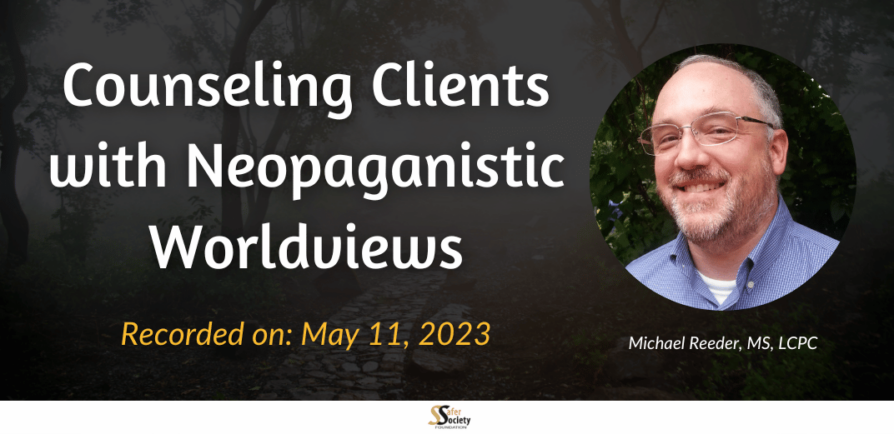
Counseling Clients with Neopaganistic Worldviews
A growing number of clients in treatment follow different spiritual paths than the religious practices most familiar to their treatment and supervision providers. This sets the stage for possible misunderstandings and tensions between the client and the members of treatment or supervisory team. While these worldviews can be puzzling to therapists and other professionals, Mr. Reeder explains how they can be understood in the context of counseling.
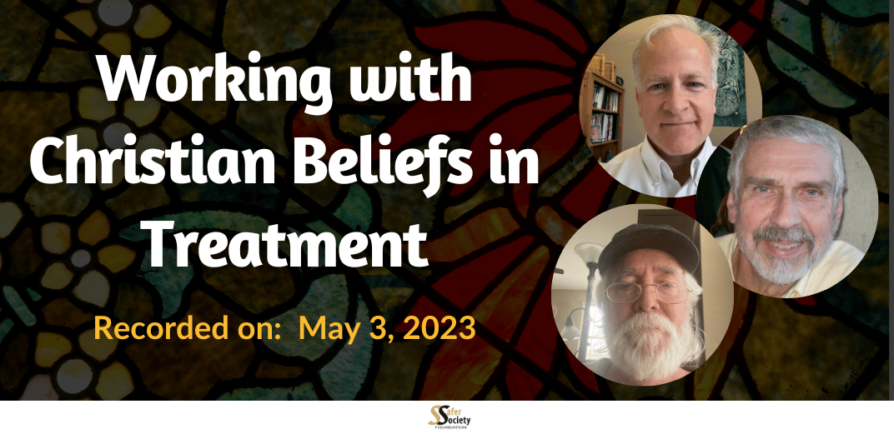
Working with Christian Beliefs in Treatment
There has been little guidance on integrating Christian beliefs with the material covered in most treatment programs for individuals who have sexually abused. Yet the topic is of vital importance to many clients in treatment. In fact, it is common for people convicted of sexual crimes to have questions about spirituality in the wake of their arrest and legal processing.
In this webinar, the panelists address topics related to religious objections to participating in treatment, discussing how the goals of treatment mesh with individual beliefs and how professionals can best interface with their clients’ faith systems.
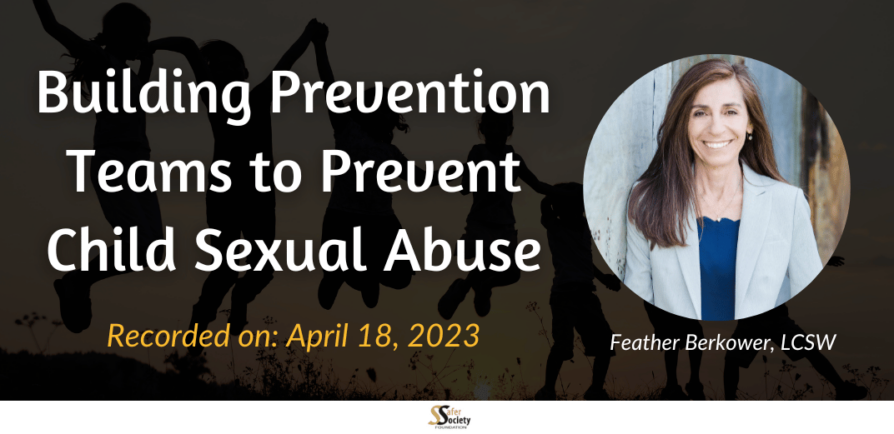
Building Prevention Teams to Prevent Child Sexual Abuse
Adults are responsible for protecting children from sexual assault and incest. Children can learn protection skills as well, and it’s important that they do. However, it is up to adults to protect children, not for children to have to protect themselves.
Feather Berkower has long worked to give adults accurate information about child sexual assault and incest so that they can prevent, recognize, and act responsibly if they witness it. This webinar interview explores Feather’s work in this area and what caregivers can do to raise children with healthy boundaries and safe bodies. She explains how people can come together as prevention teams and discusses her work in building homes and communities that are off-limits to child sexual assault.
Parents are welcome as well as professionals!
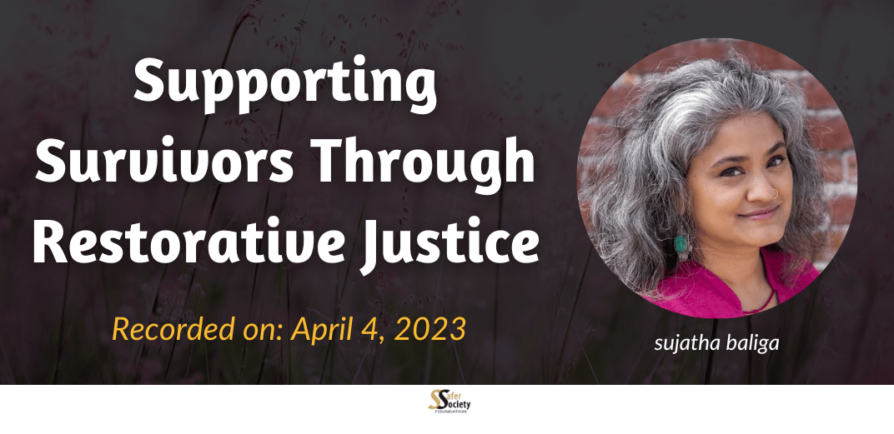
Supporting Survivors Through Restorative Justice
Countless survivors of sexual harm and violence never contact any professional services or law enforcement mechanisms. This doesn’t mean these survivors are not yearning for healing for themselves and accountability for their abusers; rather, it is often the fear of the collateral consequences on their families and communities that keeps them silent. sujatha baliga (sujatha spells her name uncapitalized) believes restorative justice can meet these hidden needs at the family and community level, without reliance on systems of punishment.
Safer Society Sponsors Howard Center Annual Conference
Safer Society is happy to announce that we are sponsoring the 6th Annual Howard Center Conference, which will be held April 19th in Burlington, Vermont. …
A Conversation with Dr. Apryl Alexander: An Article by the American Psychological Association
The American Psychological Association recently ran an article on their website titled “Using psychological expertise for the greater good: 4 questions for Apryl Alexander.” Dr. …
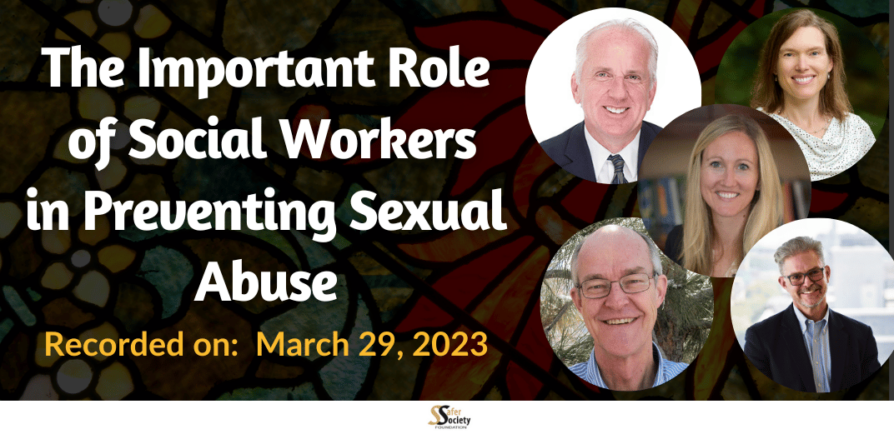
The Important Role of Social Workers in Preventing Sexual Abuse: A Panel Discussion for Social Work Month
March is Social Work Month, a “time to celebrate the great profession of Social Work.” This panel discussion is an opportunity to learn about the contributions of social workers to the prevention of sexual abuse. From understanding people in the contexts of their day-to-day lives to working with the systems that our clients find themselves in, the contributions of social workers are often underestimated and misunderstood.