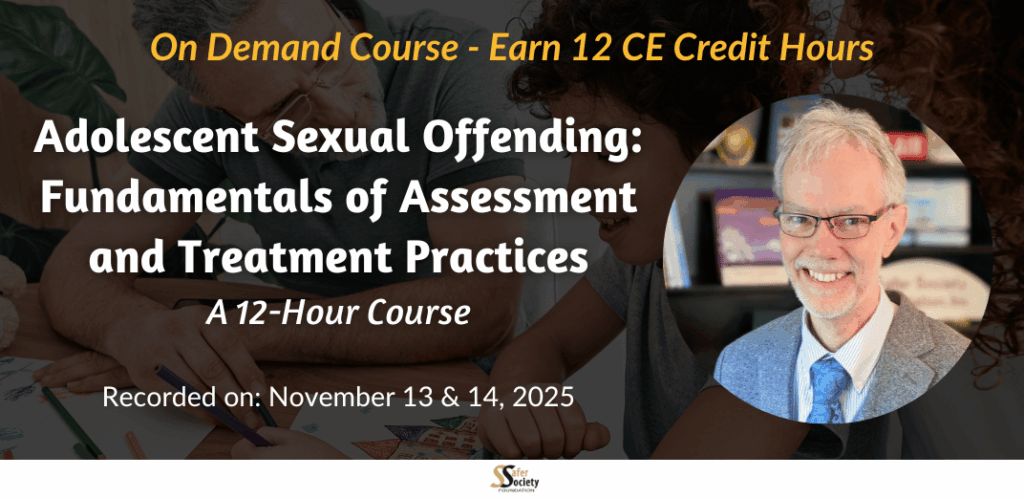
Length of Course: 12 Hours
Format: Pre-recorded online training access through our website
Presented by: David Prescott, LICSW, ATSA-F
CE Eligibility: 12 Clinical CE Credit Hours
Cost of Course: $420.00
Purchase price includes access to course video and material for 45 days. Participants will be eligible for a Certificate of Completion.
Already purchased an On Demand training?
Click here to access your Safer Society On-Demand Training Center account.
Effective assessment and treatment of adolescents with sexual behavior problems requires specialized knowledge, practical skills, and a commitment to best practices. Whether you are new to this area of work or an experienced professional seeking to refresh your expertise, this two-day course offers a comprehensive, research-informed overview for clinicians, social workers, juvenile justice professionals, and others working with youths in outpatient and residential settings.
David Prescott designed this course to explore the core principles behind effective assessment and treatment. Highlights include:
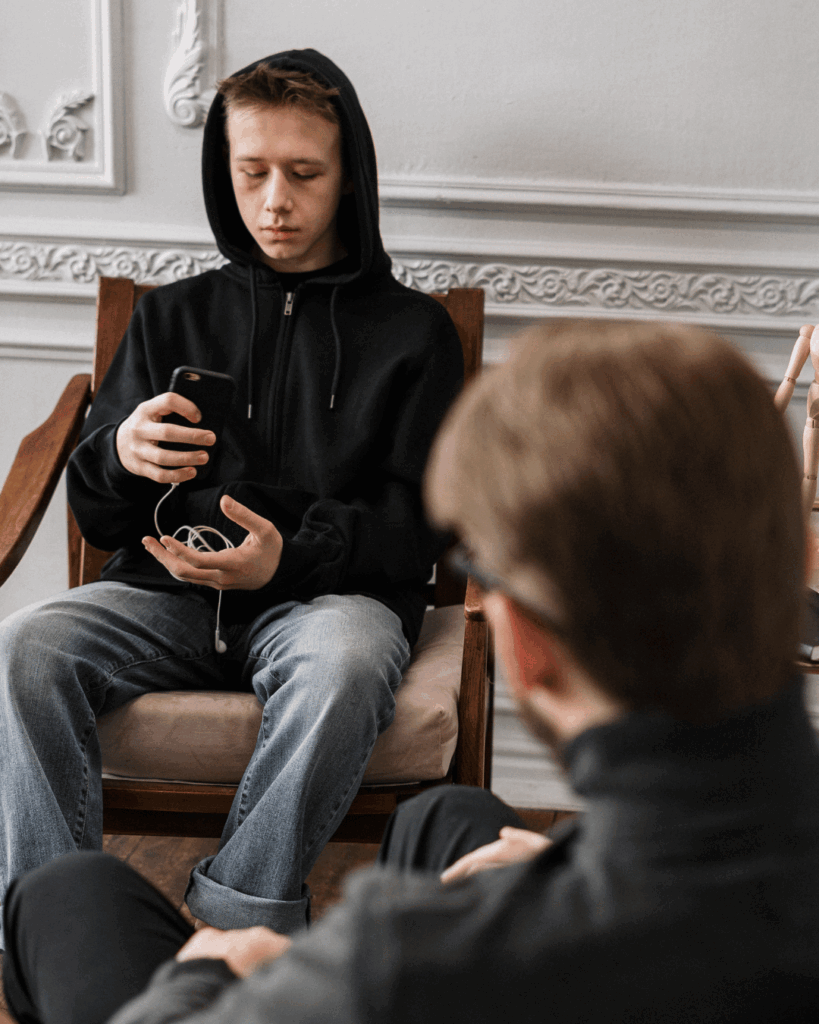
- Understanding the developmental and contextual factors that influence adolescent sexual behavior, including emotional, psychological, and environmental dynamics
- Reviewing the latest research on what works—and what doesn’t—in both assessment and intervention
- Applying the principles of effective rehabilitation (risk, need, and responsivity) and developing the qualities of a skilled treatment provider
- Conducting thorough risk and needs assessments, including practical interviewing techniques and guidance for writing meaningful reports
- Implementing effective treatment approaches, including the Good Lives Model, Motivational Interviewing, and Feedback-Informed Treatment, to foster therapeutic engagement and support positive change
- Navigating special considerations for diverse populations and different treatment environments, while maintaining professional boundaries and upholding ethical standards
Grounded in the latest research and informed by decades of experience, this course provides professionals with conceptual frameworks and practical tools necessary to engage with adolescents who have sexual behavior problems. Participation not only supports individual competence but also contributes to the broader goals of client well-being, community safety, and the ongoing evolution of professional standards in this area of practice.
As a result of participating in this course, attendees will be better able to:
1) Summarize historical approaches to treating abusive sexual behaviors by youths.
2) Explain the importance of working with youths’ families.
3) Examine the role of abuse-related sexual interests, where applicable, in sex crimes by adolescents.
4) Explain the relevance of early-onset, as opposed to adolescent-onset, behavior problems.
5) Describe the difference between risk and protective factors.
6) Describe the core components of a comprehensive assessment (e.g., assessment tools and clinical interviewing considerations)
7) Compare the available assessment measures specific to youths who have abused
8) Explain different domains that contribute to risk for offending
9) Develop an intake interview with an adolescent with problematic sexual behaviors
10) Describe the qualities of a high-quality assessment report
11) Design treatment plans for adolescents
12) Apply the “going upstream” method of finding personally meaningful client goals.
13) Differentiate “approach goals” in treatment planning14) Describe ten “primary human goods” or “good life goals” that appear to be relevant to all human beings
15) Explain how these good life goals can be implicated in sexual abuse by adolescents.
16) Describe how early adversity can develop into risk factors
17) Use scaling questions for assessing internal motivation to achieve good life goals
Audience
This course is designed for professionals who work with adolescents exhibiting sexual behavior problems, including psychologists, counselors, therapists, social workers, and juvenile justice professionals.
Content Level
Introductory/Intermediate
Disclosure
The presenter does have published materials related to the training from which they may benefit financially.
Continuing Education Approval
American Psychological Association (APA)
Safer Society Foundation, Inc. is approved by the American Psychological Association (APA) to sponsor continuing education for psychologists. Safer Society Foundation, Inc. maintains responsibility for this program and its content.
Association of Social Work Boards (ASWB)
Safer Society Foundation, Inc., provider #233, is approved to offer social work continuing education by the Association of Social Work Boards (ASWB) Approved Continuing Education (ACE) program. Regulatory boards are the final authority on courses accepted for continuing education credit. ACE provider approval period: 06/06/2025—06/06/2026. Social workers completing this course receive 12 clinical continuing education credits.
Student discounts available!
Click here to learn more.
Presenter
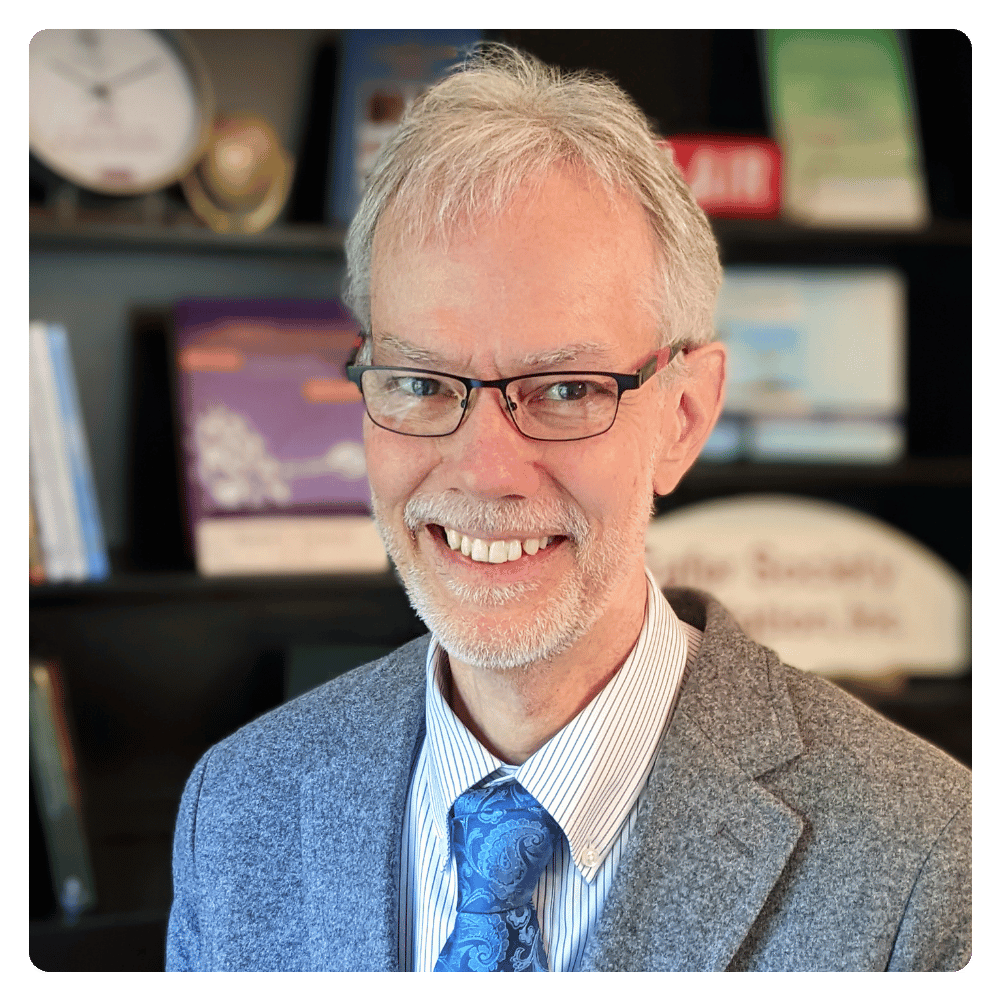
David Prescott, LCSW, ATSA-F
Director, Safer Society Continuing Education Center
A mental health practitioner of 40 years, David Prescott is the Director of the Safer Society Continuing Education Center. He is the author and editor of 25 books in the areas of understanding and improving services to at-risk clients. He is best known for his work in the areas of understanding, assessing, and treating sexual violence and trauma. Mr. Prescott is the recipient of the 2014 Distinguished Contribution award from the Association for the Treatment and Prevention of Sexual Abuse (ATSA), the 2018 recipient of the National Adolescent Perpetration Network’s C. Henry Kempe Lifetime Achievement award, and the 2022 recipient of the Fay Honey Knopp Award from the New York State Alliance for the Prevention of Sexual Abuse and New York State ATSA. He also served as ATSA President in 2008-09. Mr. Prescott currently trains and lectures around the world. His published work has been translated into Japanese, Korean, German, French, Polish, and Southern Tutchone. He has served on the editorial boards of four scholarly journals.
Online Training FAQ
How and Where?
This course is offered online through our website and can be completed at your own pace; however, access expires 10 days from the purchase of the registration. You can pause and resume whenever you like, within the 10-day window.
This course requires watching pre-recorded videos. If you are not able to complete the course before your access expires, you may purchase a 5-day extension.
Please email to inquire about extensions.
Can I get a refund?
Training registration fees are non-refundable.
What kind of computer do I need?
While we recommend using either a desktop or a laptop (Windows/Mac) for the best experience, any device with a web browser and access to the internet should work.
How do I complete it?
Once you have completed the course, you’ll take a quiz to demonstrate your knowledge. You must score 80% or higher to pass. If you do not achieve a passing score on your first attempt, you will be able to retake the quiz as many times as needed until you pass.
If you are seeking only psychology credits, the evaluation is optional and you may remain anonymous. However, social workers seeking credit from trainings with social work approval are required to submit the evaluation form using your name and email address.
Both the quiz and the evaluation form will be accessed online through the course website and must be completed within the designated access window.
When I’m done, how do I get my credit?
Once we’ve verified you’ve passed, we’ll send you a certificate of completion by email. This process usually takes 12-14 days.
Special Accommodations Statement
Safer Society Foundation, Inc. is dedicated to meeting the needs of all participants. Participants will be provided with copies of the presenters’ materials (PowerPoint slides, images, etc.) for their own reference. Please note that this is a pre-recorded online training accessed through the Safer Society website. Closed captions are available for all training recordings, unless otherwise noted. If you are interested in participating in an on-demand training but have a special accommodations request, please contact us prior to registration by email (info@safersociety.org) or phone at (802) 247-3132.