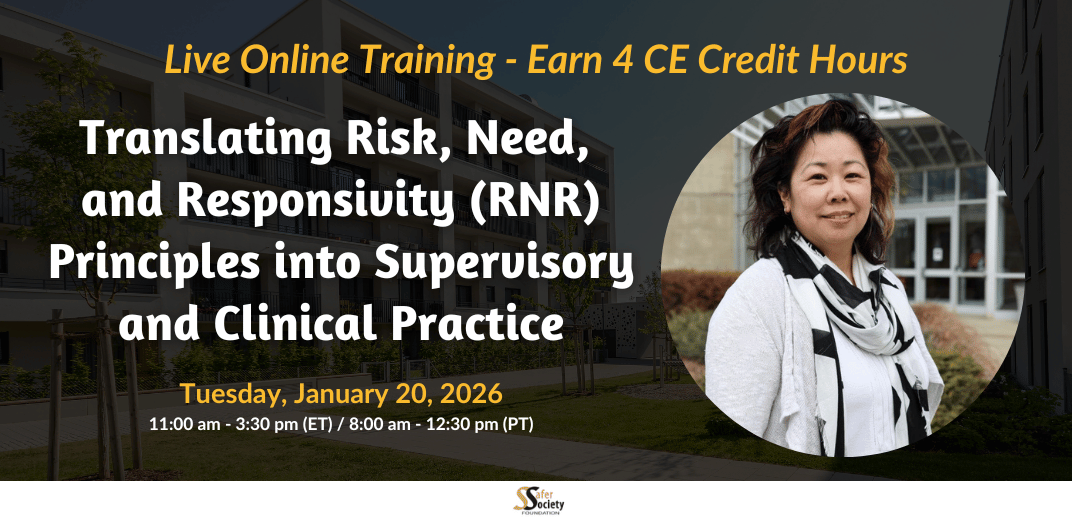
• Translating Risk, Need, and Responsivity (RNR) Principles into Supervisory and Clinical Practice (OT296)

    Effectively managing and rehabilitating individuals who have committed serious offenses requires a framework that is both grounded in research and adaptable to diverse professional settings. The Risk-Need-Responsivity (RNR) model has become one of the most influential evidence-based approaches in the field of corrections, providing clear principles to guide assessment, intervention, and supervision.

    Sandy Jung—an accomplished researcher, clinician, and experienced trainer—developed this training to provide professionals with practical methods for using RNR principles in their work with adult individuals convicted of sex offenses. Drawing on her extensive expertise, she offers strategies, tools, and case examples to support effective implementation.
    $140.00
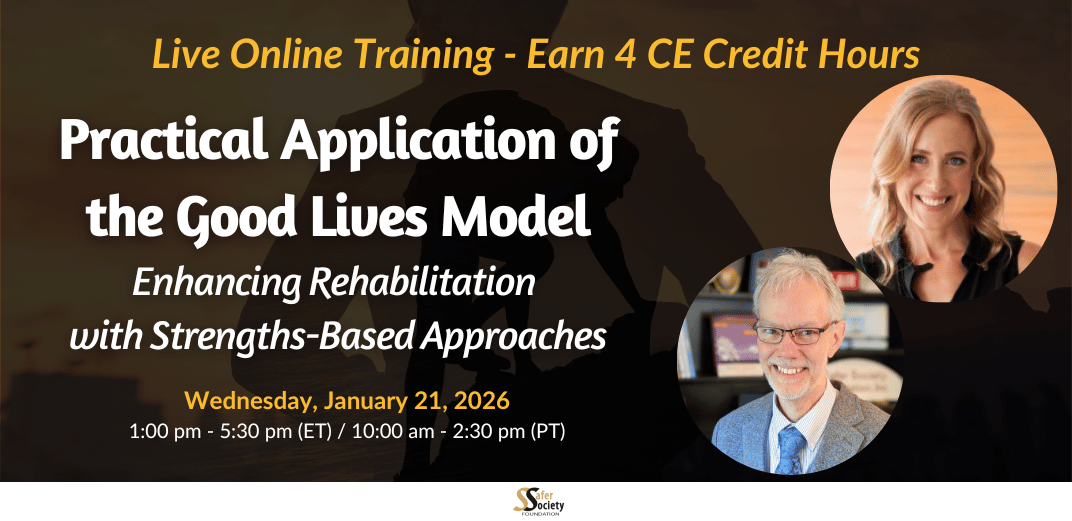
  • Practical Application of the Good Lives Model: Enhancing Rehabilitation with Strengths-Based Approaches

    Developed and presented by Gwenda Willis and David Prescott, this four-hour online training equips professionals with practical methods for integrating the GLM into treatment programs for individuals who have sexually offended. Drawing on their extensive international experience, including work with programs in New Zealand, Australia, Singapore, Norway, North America, Germany, Italy, and Namibia, they provide clear strategies for embedding the model into program structure, content, and delivery. The training outlines how to conduct GLM-based assessments, design intervention plans, adapt RNR/CBT modules, and address dynamic risk factors such as sexual and general self-regulation using a GLM-informed approach.

    $140.00
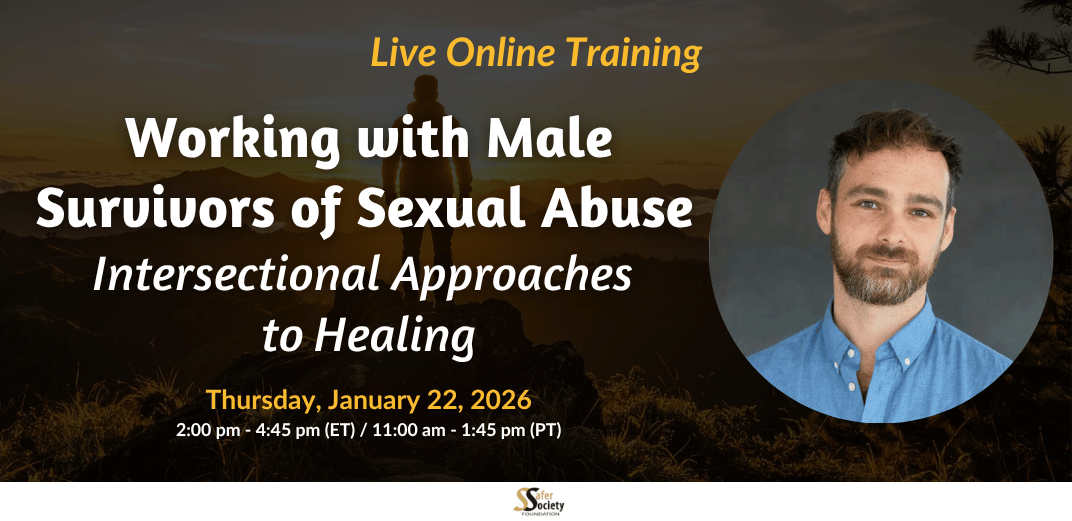
  • Working with Male Survivors of Sexual Abuse: Intersectional Approaches to Healing

    Few experiences fill a person with a greater sense of shame, stigma, and misunderstanding than sexual abuse. Men who have been harmed sexually can become marginalized and isolated, with limited resources available to them or those who support them. This training explores the impact of this harm on men through an intersectional lens, exploring how their unique identities, circumstances, and society's views can either support their recovery or compound their trauma. This training helps participants refine their understanding of the after-effects of abuse on males, which too often persist long after the abuse occurred.

    $60.00
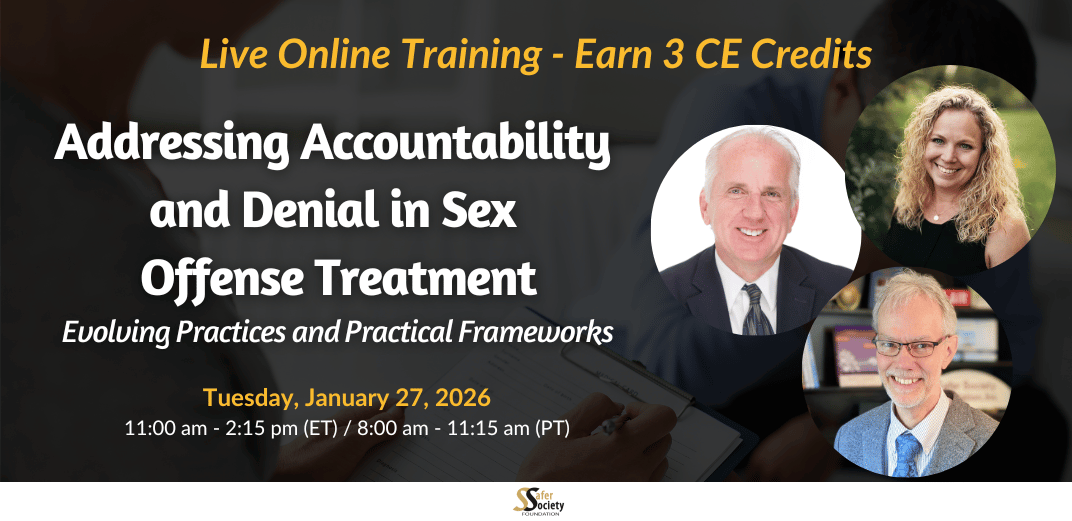
  • Addressing Accountability and Denial in Sex Offense Treatment: Evolving Practices and Practical Frameworks

    Working with clients who deny their past behaviors has long presented dilemmas for practitioners. Requiring full disclosure of past offenses has been a source of recent debate in sex offense treatment, particularly since the late 1990s. Historically, accountability for sexual offending was required as a pre-condition for treatment participation and completion, as well as for successful release from supervision. More recently, however, perspectives have shifted. Research indicating that denial is not a risk factor for future sexual offending, along with concerns for the therapeutic alliance and questions regarding potential violation of the right against self-incrimination, has led clinicians to begin modifying their approach to addressing denial. As a result, many programs no longer require those who offend to be accountable as a precondition of treatment entry or completion.

    $105.00
  • Our Safe Haven: Navigating Sexuality Beliefs When Working with Individuals Who Have Engaged in Nonconsensual Sexual Behaviors

    In this Our Safe Haven, we invite you to join Robin Cooper and David Prescott to explore how personal and professional beliefs about sexuality influence our work, client relationships, and the broader field. Each session begins with a focused review of how sexuality beliefs influence professional practice, evolving naturally into an engaging, attendee-driven conversation shaped by shared experiences and professional insights: Session 03: Let’s Talk Managing Transference and Boundaries: Discuss how clients may unconsciously project feelings from past relationships onto professionals and explore strategies for recognizing these patterns, maintaining healthy boundaries, and supporting effective treatment.

    $8.00
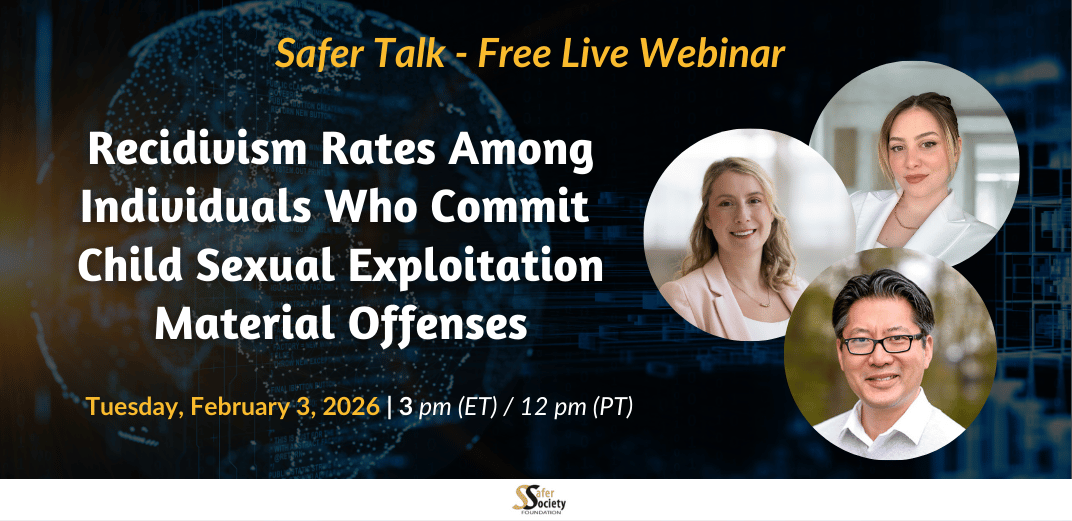
  • Recidivism Rates Among Individuals Who Commit Child Sexual Exploitation Material Offenses

    The viewing and sharing of child sexual exploitation material (CSEM) have steadily risen since the internet’s inception, making it critical to understand the true nature of CSEM reoffending. In this webinar, researchers Serra Baskurt, Kelly Babchishin, PhD, and Michael Seto, PhD, present a groundbreaking meta-analysis that reveals startling differences between self-reported and officially recorded recidivism rates. Their findings uncover much higher levels of persistent CSEM use than previously recognized and challenge current assumptions about offense detection. Attendees will gain valuable insights into the implications for assessment, treatment, and policy, grounded in a modern understanding of risk, need, and responsivity.

    Free
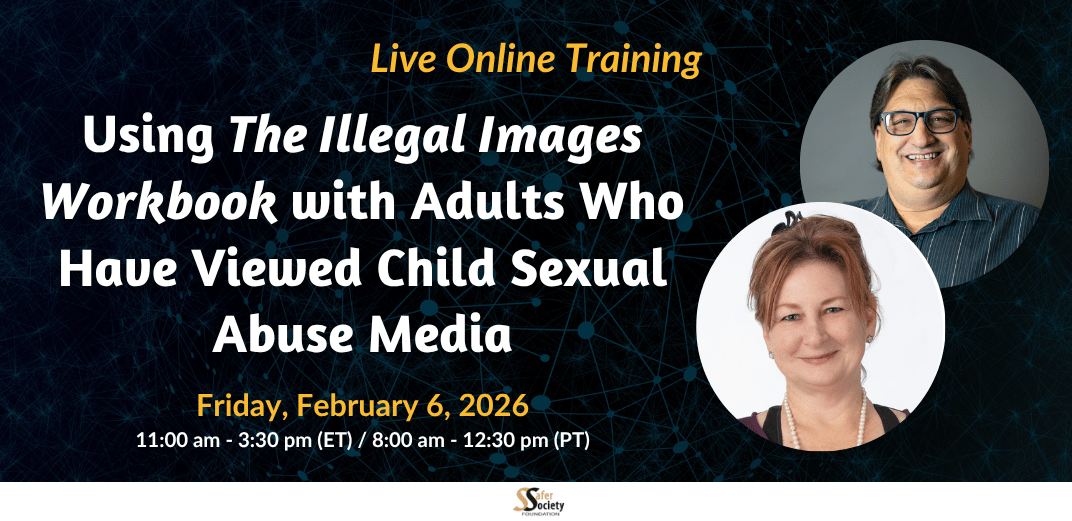
  • Using The Illegal Images Workbook with Adults Who Have Viewed Child Sexual Abuse Media

    The Illegal Images Workbook: Understanding and Changing Harmful Online Sexual Behavior provides professionals with a structured, strengths-based approach for adults involved in viewing or possessing child sexual abuse material (CSAM). Created by Dr. David Delmonico and Elizabeth Griffin, it guides therapeutic work across six growth areas: emotion management, intimacy, deviant sexuality, sexual behavior control, technology use, and victim awareness. This four-hour workshop introduces the workbook’s clinical applications, showing how to integrate its exercises into treatment and supervision while addressing challenges like shame, minimization, and technology limits in line with client risk and responsivity.

    $96.00
  • Groups that Welcome and Engage: Integrating Motivational Interviewing into Effective Group Facilitation

    Groups That Welcome and Engage helps professionals across community behavioral health, residential treatment, education, and corrections build confidence and skill in leading effective group sessions. Trainers Ali Hall and Kristin Dempsey explore the purpose, dynamics, and stages of group work, emphasizing how Motivational Interviewing can structure group processes from initial engagement through sustained behavior change. Participants will learn to choose appropriate group types, enhance engagement, manage conflict, and tailor interventions to diverse needs and goals. This training offers practical strategies and resources for creating groups that truly connect with and support their members—ideal for professionals at all experience levels.

    $87.00
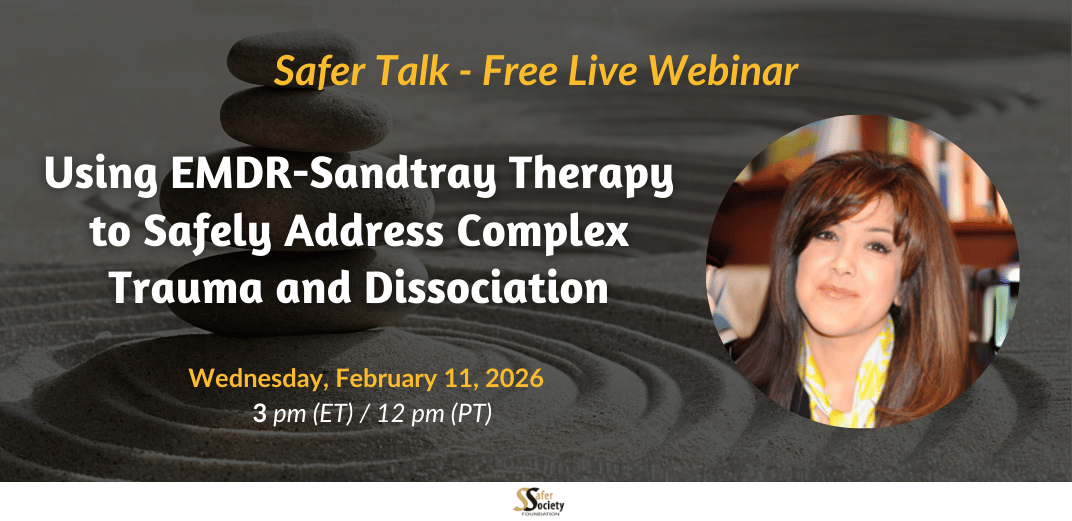
  • Using EMDR-Sandtray Therapy to Safely Address Complex Trauma and Dissociation

    In this engaging webinar, Ana Gómez, author of EMDR-Sandtray-Based Therapy, explores the integration of Eye Movement Desensitization and Reprocessing (EMDR) with sandtray therapy to support healing from complex trauma and dissociation across the lifespan. Participants will discover how creativity, symbols, and embodied expression in the sandtray can bridge the implicit and explicit experience, allowing deeply held memories and sensations to surface within a safe, relational space. Through demonstration and discussion, Ms. Gómez illustrates how attuned presence and collaborative meaning making foster integration, connection, and lasting therapeutic change.

    Free
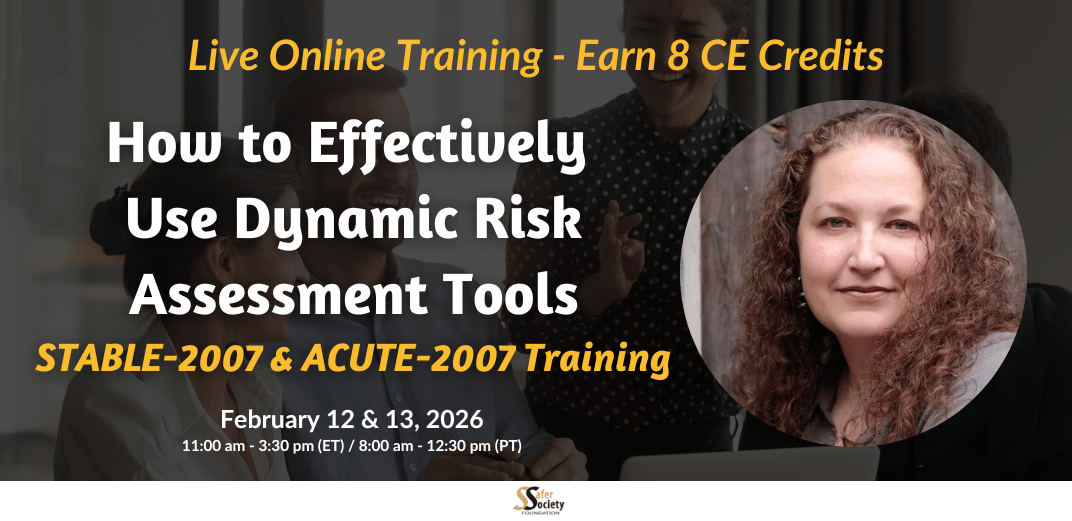
  • How to Effectively Use Dynamic Risk Assessment Tools: STABLE-2007 & ACUTE-2007 Training (Day 01)

    During this eight-hour training, Katie Gotch, LPC, CCSOT, ATSA-F, provides an overview of the development and research of the STABLE-2007 and ACUTE-2007 instruments. She explains how to score each of the measures’ items, as well as their appropriate interpretation and use within varying settings. This includes recent guidance on the use of these tools with individuals convicted of child sexual abuse material-related offenses (CSAM). To enhance learning, case studies are incorporated to provide hands-on practice and to address common scoring and administration errors.

    $280.00
  • How to Effectively Use Dynamic Risk Assessment Tools: STABLE-2007 & ACUTE-2007 Training (Day 02)

    During this eight-hour training, Katie Gotch, LPC, CCSOT, ATSA-F, provides an overview of the development and research of the STABLE-2007 and ACUTE-2007 instruments. She explains how to score each of the measures’ items, as well as their appropriate interpretation and use within varying settings. This includes recent guidance on the use of these tools with individuals convicted of child sexual abuse material-related offenses (CSAM). To enhance learning, case studies are incorporated to provide hands-on practice and to address common scoring and administration errors.

    $280.00
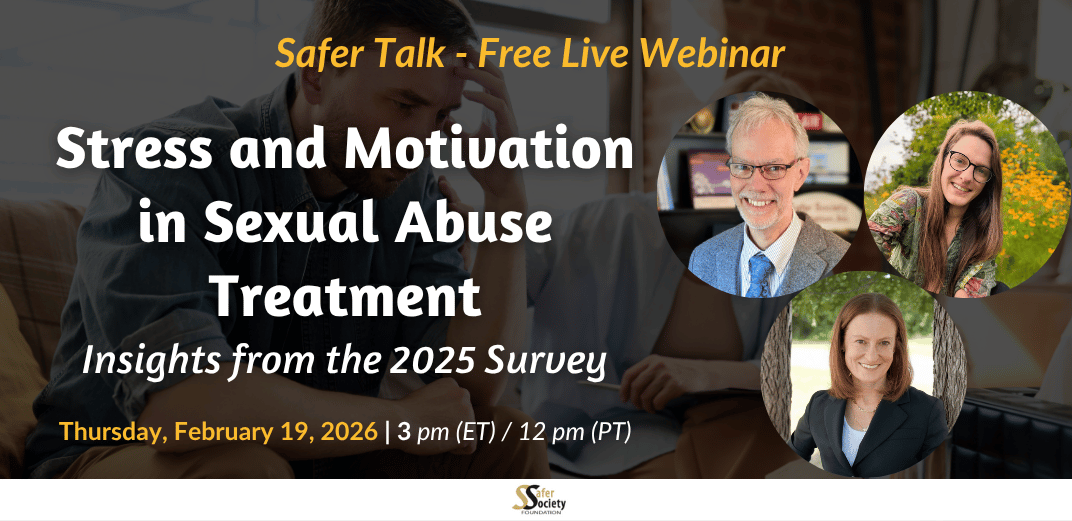
  • Stress and Motivation in Sexual Abuse Treatment: Insights from the 2025 Survey

    The “Stressors and Motivators Among Professionals Treating Clients Who Have Sexually Abused” survey, conducted by Safer Society Foundation, examines how stressors and motivators shape the professional experiences of those working with individuals with histories of sexual abuse towards others. The survey responded to growing concerns about workforce sustainability and the need to highlight not only the challenges of this work, but also the powerful sources of meaning and satisfaction that sustain professionals in the field. Among its key findings, the survey revealed that while burnout and professional strain remain widespread, respondents emphasized that profound personal rewards play a critical role in fostering resilience and job satisfaction.​

    In this webinar, the survey’s authors—David S. Prescott, Stacey Zolondek Ginesin, & Sarah Snow Haskell—guide a discussion into the findings, exploring how stress and motivation intersect in professional practice.

    Free