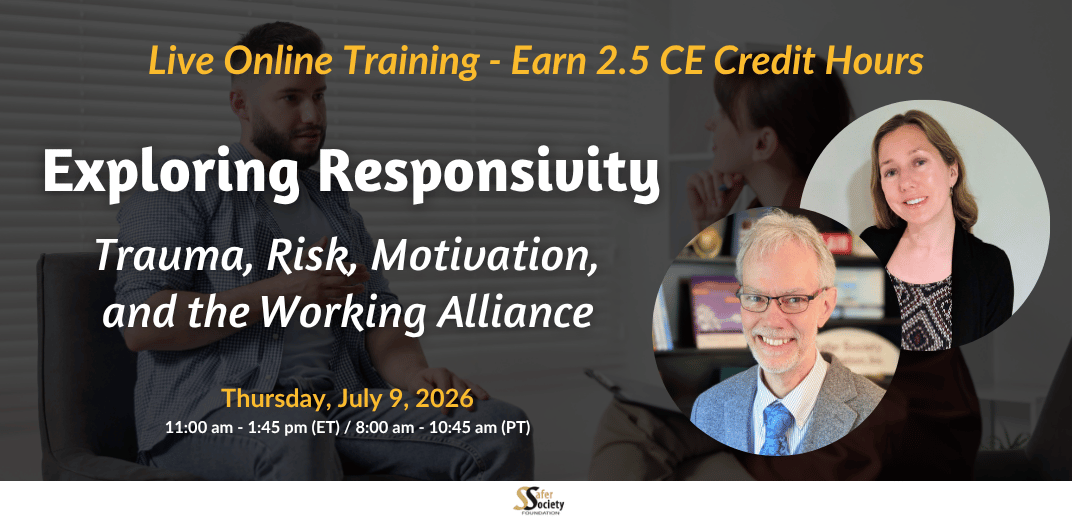
• Exploring Responsivity: Trauma, Risk, Motivation, and the Working Alliance

    This training, presented by Mr. Prescott and Dr. Nassen, focuses on the responsivity principle—matching treatment services to each client’s unique characteristics. As one of the three key principles of effective correctional rehabilitation, responsivity is often the least clearly understood in practice. The presenters explore how this concept applies to treatment programs for adults and older adolescents who commit sexual offenses, within the broader Risk-Need-Responsivity (RNR) framework. They discuss how childhood adversity can shape dynamic risk and functioning, and review evidence-informed methods for improving responsivity and the therapeutic alliance, including Feedback Informed Treatment and Motivational Interviewing.

    $87

  • What Have We Learned from Research on Assessing Sexual Interests?

    This webinar examines efforts to prevent further sexual offending by exploring sexual interests and arousal patterns, including psycho-physiological measures and viewing time, while raising key questions about reliability, validity, standardization, interpretation, and levels of intrusiveness. Mervyn Davies, co-founder of the LOOK Assessment, reflects on decades of work in understanding and assessing human sexuality, reviewing past assessment efforts with people convicted of sexual crimes, the importance of structured measures, the limits of current knowledge, methodological challenges in developing reliable tools, and the role of assessment in preventing violence, including sexual assault.

    Free
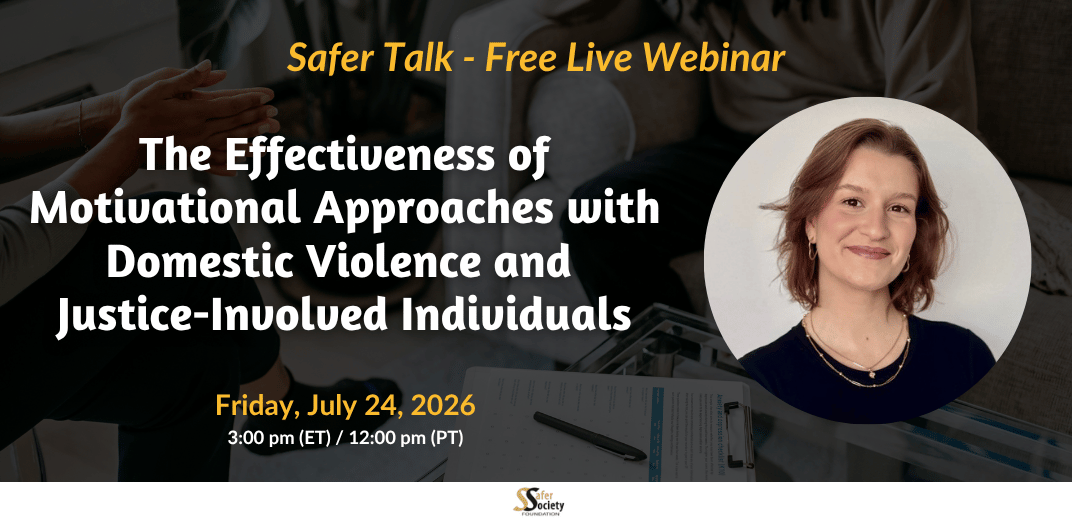
  • The Effectiveness of Motivational Approaches with Domestic Violence and Justice-Involved Individuals

    Teresa Pinto e Silva, a forensic psychologist and PhD researcher at the University of Minho, presents her research on Motivational Interviewing (MI) in justice settings, highlighting its effectiveness in improving engagement, motivation for change, and behavioral outcomes among justice-involved individuals, particularly those in early stages of change. She discusses key findings from her work, practical applications for professionals working with domestic violence populations, and the role of therapist genuineness and the therapeutic relationship in supporting lasting change.

    Free
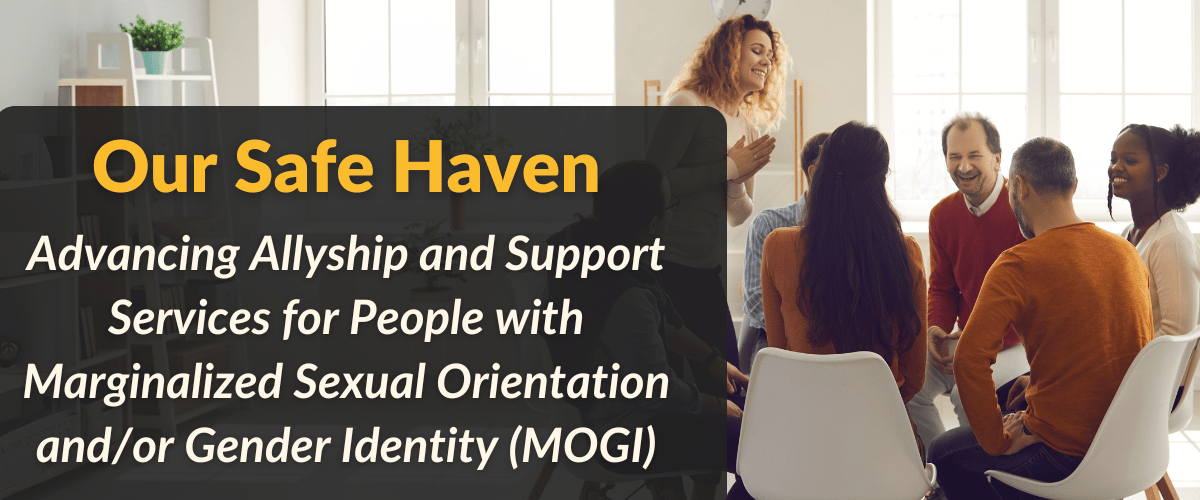
  • Our Safe Haven: Advancing Allyship and Support Services for People with Marginalized Sexual Orientation and/or Gender Identity (MOGI)

    ndividuals with marginalized sexual orientations and/or sexual identities (MOGI) encounter numerous interrelated challenges, including stigma, discrimination, and violence in social, educational, and professional environments; heightened risk of mental health issues due to social isolation and abuse; barriers to accessing vital health and support services; and rejection from families or communities, often resulting in homelessness and further marginalization. These challenges are compounded by cultural misunderstandings, intersecting forms of exclusion, and gaps in societal and institutional support. Addressing them requires a collective effort to advance inclusion, equity, and community acceptance for people of all MOGI, ensuring their dignity and rights are respected and upheld.

    In response to these realities, we invite those supporting MOGI-diverse individuals and members of their communities to join us for this series of professional dialogues moderated by Jimmy Widdifield, Jr., and David Prescott. Created to foster meaningful and respectful conversations, these sessions provide a space for professionals to openly explore the challenges faced by individuals with diverse MOGIE. Through shared experiences, expert insights, and practical guidance, attendees will gain strategies to strengthen advocacy, promote inclusive practices, and build effective allyship—helping to foster environments where all people can live authentically and thrive.

    $8.00
  • Our Safe Haven: Advancing Allyship and Support Services for People with Marginalized Sexual Orientation and/or Gender Identity (MOGI)

    ndividuals with marginalized sexual orientations and/or sexual identities (MOGI) encounter numerous interrelated challenges, including stigma, discrimination, and violence in social, educational, and professional environments; heightened risk of mental health issues due to social isolation and abuse; barriers to accessing vital health and support services; and rejection from families or communities, often resulting in homelessness and further marginalization. These challenges are compounded by cultural misunderstandings, intersecting forms of exclusion, and gaps in societal and institutional support. Addressing them requires a collective effort to advance inclusion, equity, and community acceptance for people of all MOGI, ensuring their dignity and rights are respected and upheld.

    In response to these realities, we invite those supporting MOGI-diverse individuals and members of their communities to join us for this series of professional dialogues moderated by Jimmy Widdifield, Jr., and David Prescott. Created to foster meaningful and respectful conversations, these sessions provide a space for professionals to openly explore the challenges faced by individuals with diverse MOGIE. Through shared experiences, expert insights, and practical guidance, attendees will gain strategies to strengthen advocacy, promote inclusive practices, and build effective allyship—helping to foster environments where all people can live authentically and thrive.

    $8.00
  • Our Safe Haven: Advancing Allyship and Support Services for People with Marginalized Sexual Orientation and/or Gender Identity (MOGI)

    ndividuals with marginalized sexual orientations and/or sexual identities (MOGI) encounter numerous interrelated challenges, including stigma, discrimination, and violence in social, educational, and professional environments; heightened risk of mental health issues due to social isolation and abuse; barriers to accessing vital health and support services; and rejection from families or communities, often resulting in homelessness and further marginalization. These challenges are compounded by cultural misunderstandings, intersecting forms of exclusion, and gaps in societal and institutional support. Addressing them requires a collective effort to advance inclusion, equity, and community acceptance for people of all MOGI, ensuring their dignity and rights are respected and upheld.

    In response to these realities, we invite those supporting MOGI-diverse individuals and members of their communities to join us for this series of professional dialogues moderated by Jimmy Widdifield, Jr., and David Prescott. Created to foster meaningful and respectful conversations, these sessions provide a space for professionals to openly explore the challenges faced by individuals with diverse MOGIE. Through shared experiences, expert insights, and practical guidance, attendees will gain strategies to strengthen advocacy, promote inclusive practices, and build effective allyship—helping to foster environments where all people can live authentically and thrive.

    $8.00