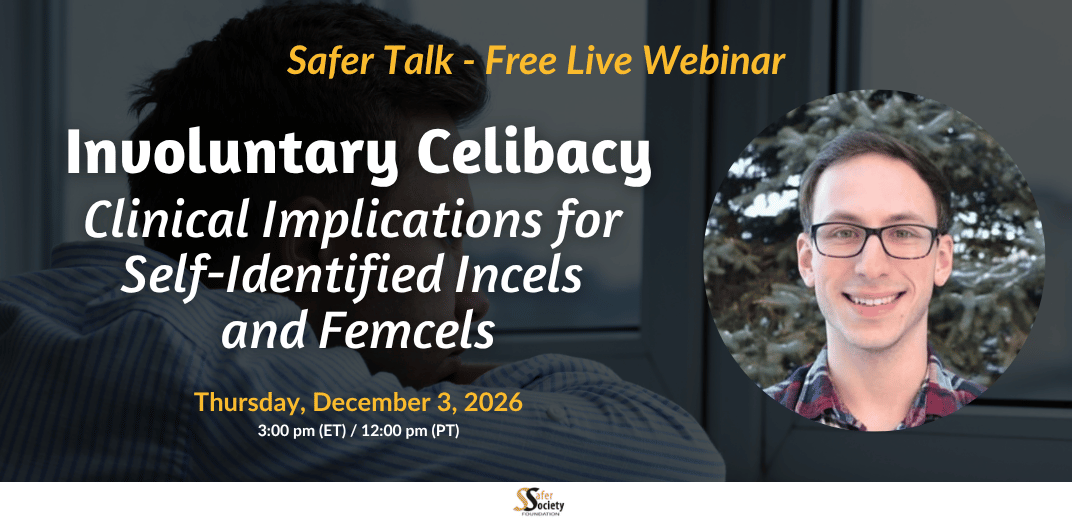
• Involuntary Celibacy: Clinical Implications for Self-Identified Incels and Femcels

    Explore the mental and relational experiences of involuntary celibacy with Dr. Brandon Sparks, a leading expert whose recent research includes the first direct study of femcels (female involuntary celibates). This webinar examines the history of involuntary celibacy, the role of gender, and the similarities and distinctions between incels and femcels. Moving beyond stereotypes, Dr. Sparks considers how loneliness, helplessness, and problematic relational models shape these experiences—and highlights clinically relevant avenues for supporting an often-alienated and at-risk population.

    Free
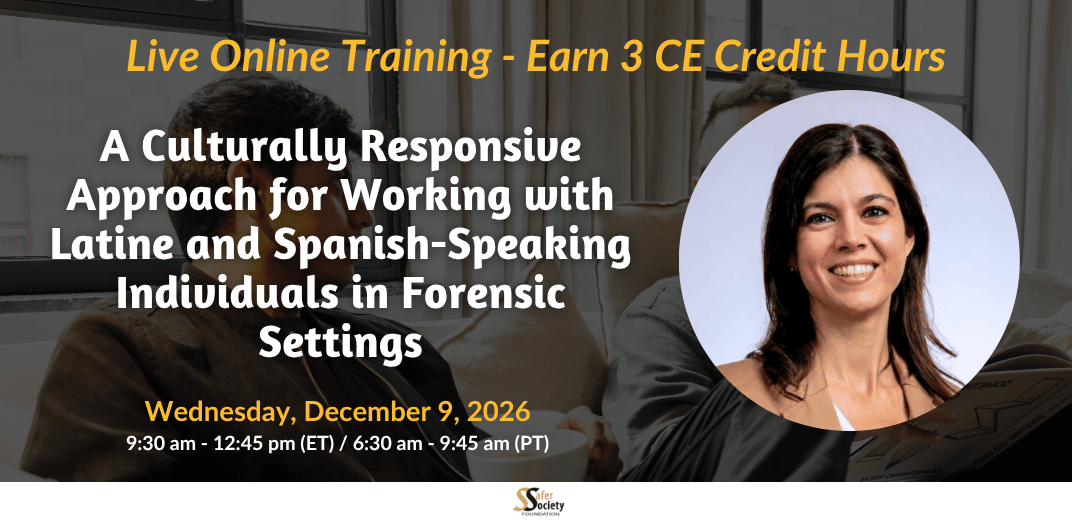
  • A Culturally Responsive Approach for Working with Latine and Spanish-Speaking Individuals in Forensic Settings

    How can forensic practitioners conduct culturally responsive evaluations when the research offers limited guidance for working with Latine and Spanish-speaking individuals? In this training, Dr. Aparcero-Suero bridges the gap between research and practice. Participants will examine how sociocultural factors shape behavior, communication, and symptom expression—and how these differences can be misinterpreted in legal and mental health settings. The training offers practical guidance on working with interpreters, selecting and interpreting assessment instruments, and mitigating bias without stereotyping. It also considers sex offender risk assessment, treatment responsivity, and the research still needed to advance culturally responsive care.

    $105.00
  • Our Safe Haven: Rural Providers Working Across the Sexual Harm Continuum

    Living and working in rural areas pose unique challenges for providers working with individuals across the sexual harm continuum. For survivors and those who have caused harm, rural communities have fewer services, resources, and supports available. Both clients and providers alike can experience feelings of isolation. Clinicians, case managers, educators, and doctors also have to navigate unique challenges related to ethical boundaries, including dual relationships and confidentiality in small towns where everyone seems to know each other. Studies have shown that rural healthcare workers experience higher rates of burnout, in part due to the higher number of ethical dilemmas.

    Join us for a series of professional dialogues designed for rural providers who work with individuals across the sexual harm continuum. Moderated by Angelique Caley and David Prescott, these discussions provide a supportive space for rural providers to come together, share insights, offer creative ideas, and develop strategies to address the unique needs of their rural communities, their clients, and to maintain their own self-care.

    $8.00
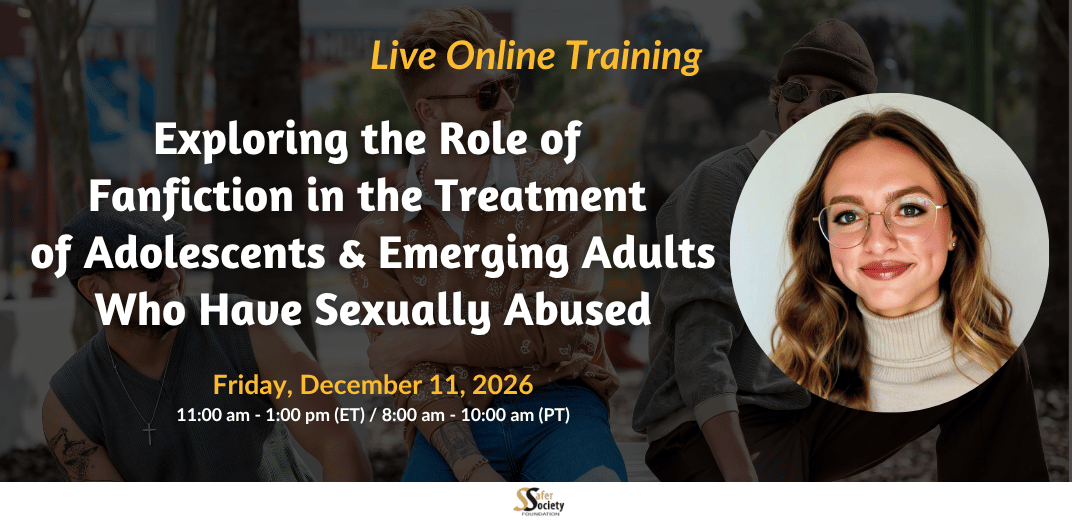
  • Exploring the Role of Fanfiction in the Treatment of Adolescents and Emerging Adults Who Have Sexually Abused

    In this training, Ms. Hilliard reviews how fanfiction may relate to sexual scripts, understanding of consent, and impulsivity. She explains how professionals can pair cultural literacy about fan communities with evidence-informed practice. The training equips attendees to distinguish normative creative engagement from maladaptive or risk-laden patterns, tailor interventions, and engage clients in developmentally and ethically sound ways.

    $50.00
  • Our Safe Haven: Helping Clients with Paraphilias and Paraphilic Disorders

    Join us for a series of professional dialogues designed to address these pressing issues. Moderated by Nikole Nassen and David Prescott, these discussions provide a supportive space for professionals to share insights, develop strategies, and strengthen their ability to navigate the complexities of working with clients with paraphilias and paraphilic disorders. Each session will begin with a focused exploration of a specific topic, evolving naturally into an engaging, attendee-driven conversation shaped by shared experiences and professional insights.

    $8.00
  • Our Safe Haven: Rural Providers Working Across the Sexual Harm Continuum

    Living and working in rural areas pose unique challenges for providers working with individuals across the sexual harm continuum. For survivors and those who have caused harm, rural communities have fewer services, resources, and supports available. Both clients and providers alike can experience feelings of isolation. Clinicians, case managers, educators, and doctors also have to navigate unique challenges related to ethical boundaries, including dual relationships and confidentiality in small towns where everyone seems to know each other. Studies have shown that rural healthcare workers experience higher rates of burnout, in part due to the higher number of ethical dilemmas.

    Join us for a series of professional dialogues designed for rural providers who work with individuals across the sexual harm continuum. Moderated by Angelique Caley and David Prescott, these discussions provide a supportive space for rural providers to come together, share insights, offer creative ideas, and develop strategies to address the unique needs of their rural communities, their clients, and to maintain their own self-care.

    $8.00
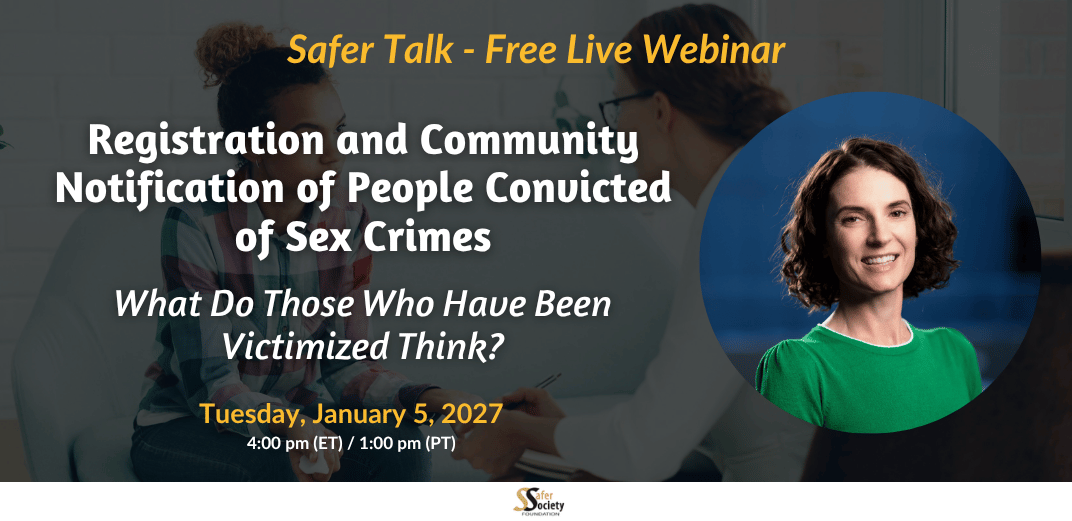
  • Registration and Community Notification of People Convicted of Sex Crimes: What Do Those Who Have Been Victimized Think?

    This webinar explores victim/survivor perspectives on Sex Offender Registration and Notification (SORN) policies. Drawing on recent Australian research, Dr. Kelly Richards examines the complex concerns and priorities raised by victim/survivors, including the risks of vigilantism, unnecessary fear, false reassurance, and the need for meaningful community safety. The webinar considers the implications of these findings for public policy and community responses to sexual abuse.

    Free
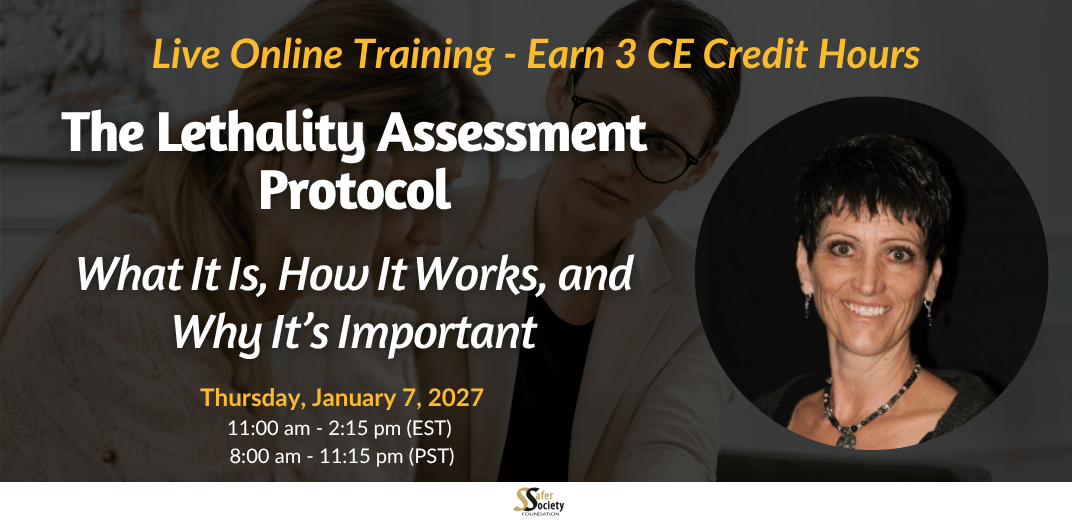
  • The Lethality Assessment Protocol: What It Is, How It Works, and Why It’s Important

    The Lethality Assessment Protocol (LAP) helps prevent intimate partner homicides and serious injuries by connecting victims to life-saving, community-based services. In this training, Sandie Campanella, a former police detective and District Attorney investigator, helps professionals understand and apply the LAP, particularly during periods of separation when the risk of lethal violence is greatest. Participants will learn how the LAP informs investigations, court decisions, and treatment; connects individuals at high risk to advocates for immediate resources and safety planning; and supports accountability for individuals who have caused harm.

    $105.00
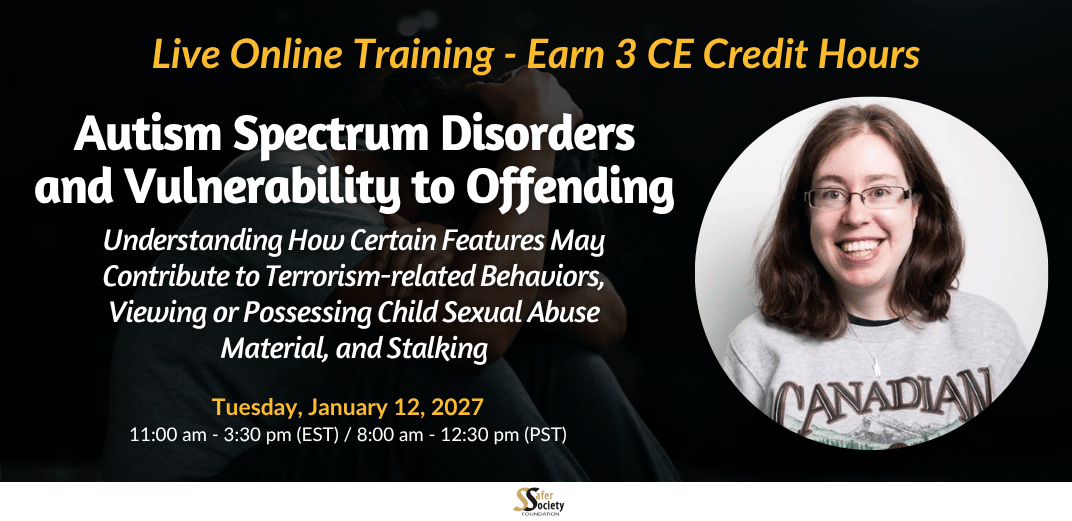
  • Autism Spectrum Disorders and Vulnerability to Offending: Understanding How Certain Features May Contribute to Terrorism-related Behaviors, Viewing or Possessing Child Sexual Abuse Material, and Stalking

    When individuals with autism spectrum disorder (ASD) engage in harmful or offending behaviors, it can be helpful to conceptualize risk factors as vulnerabilities that may increase the likelihood that harm will occur. Dr. Clare Allely, an internationally recognized expert on ASD and its links to harmful behaviors, developed this training to help professionals understand these vulnerabilities in relation to terrorism-related behaviors, viewing or possessing child sexual abuse material (CSAM), and stalking.

    $140.00
  • Structured Assessment of Protective Factors Against Sexual Offending (SAPROF-SO) Version 1 Training

    The SAPROF-SO is a tool for assessing protective factors for individuals with a history of sexual offending, integrating with strengths-based therapeutic approaches. This tool comprises 14 items across three key subscales: Resilience, Adaptive Sexuality, and Prosocial Connection & Reward, with an optional fourth subscale, Professional Risk Management. Renowned for its strong reliability and predictive validity for reduced sexual recidivism (e.g., Nolan et al., 2023; Willis et al., 2020), the SAPROF-SO is instrumental in guiding therapy planning and risk management strategies (Kelley et al., 2022). This workshop, presented by Gwenda Willis, David Thornton, and Sharon Kelley, offers a training opportunity for clinicians interested in learning how to score and interpret the SAPROF-SO.

    $228.00
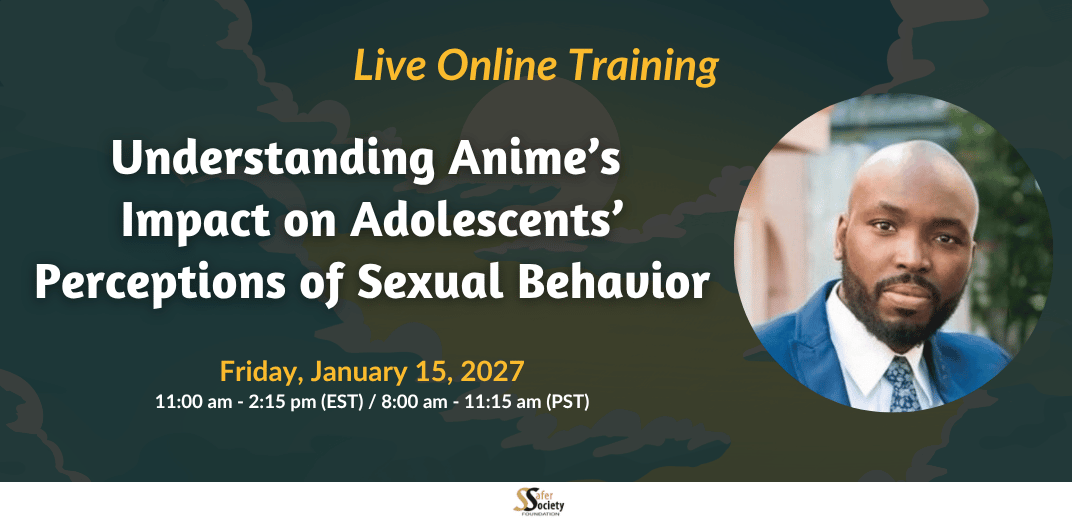
  • Understanding Anime’s Impact on Adolescents’ Perceptions of Sexual Behavior

    Developed by Jermaine Wall, a clinician with expertise in anime who treats adolescents who have sexually abused others, this training explores anime’s cultural influence and its relevance to clinical practice. It focuses on adolescents who have engaged in sexually abusive behavior while offering insights for parents, educators, and mental health professionals who work with youth.

    $72.00