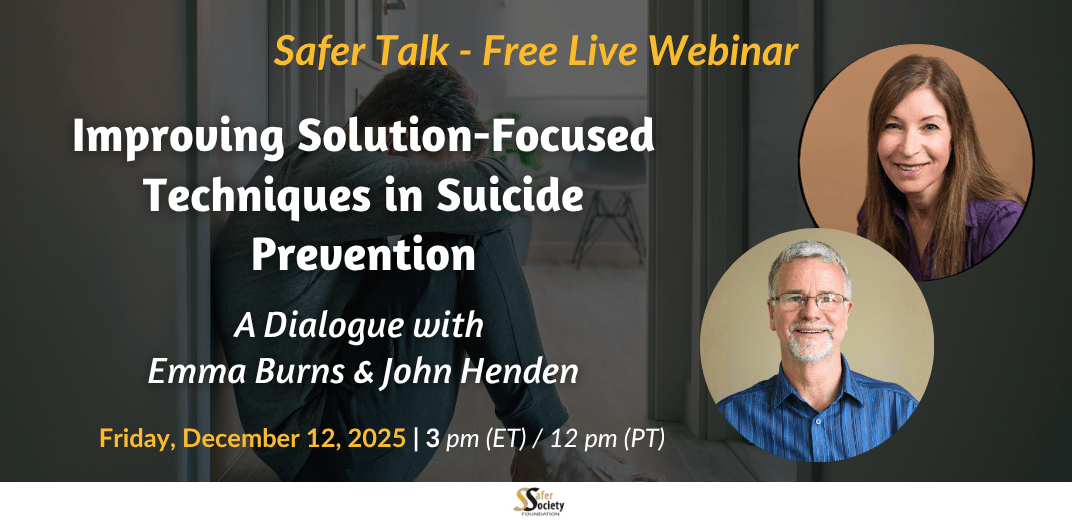
• Improving Solution-Focused Techniques in Suicide Prevention: A Dialogue with Emma Burns and John Henden

    Skills for the effective prevention of suicide are critical for practitioners of all backgrounds and settings. Too often, professionals focus heavily on assessment and risk management, leaving clients feeling unheard or disconnected from the process. Solution-focused therapy (SFT) offers an alternative—one that centers on a client's strengths, potential, and capacity for change rather than on risk alone.

    In this webinar discussion, author Emma Burns and psychotherapist John Henden share their insights from their work using SFT with individuals experiencing suicidality. This conversation underscores the value of staying client-centered and strengths-based, even in complex and high-risk situations. It’s an opportunity to consider how subtle shifts in approach can open channels for change and healing.
    Free
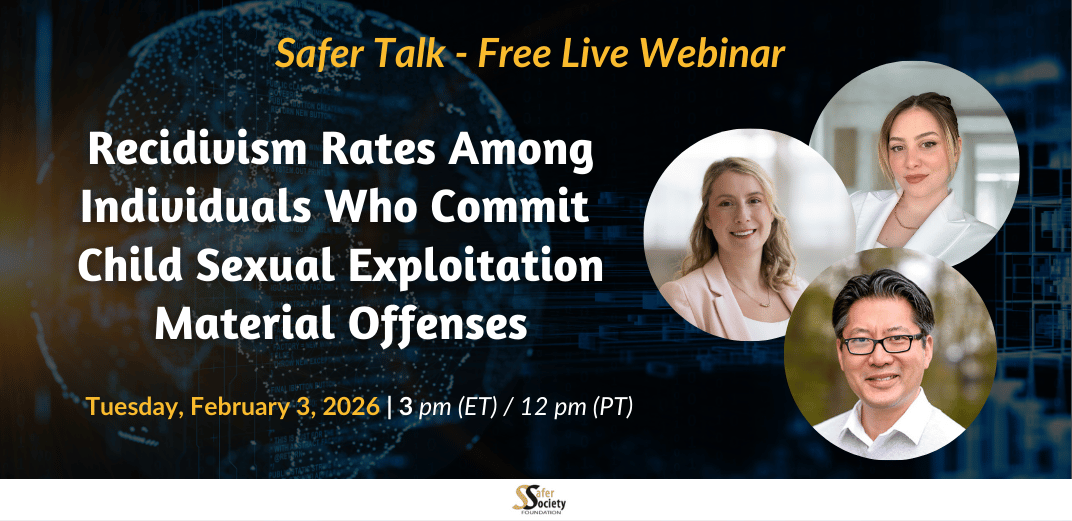
  • Recidivism Rates Among Individuals Who Commit Child Sexual Exploitation Material Offenses

    The viewing and sharing of child sexual exploitation material (CSEM) have steadily risen since the internet’s inception, making it critical to understand the true nature of CSEM reoffending. In this webinar, researchers Serra Baskurt, Kelly Babchishin, PhD, and Michael Seto, PhD, present a groundbreaking meta-analysis that reveals startling differences between self-reported and officially recorded recidivism rates. Their findings uncover much higher levels of persistent CSEM use than previously recognized and challenge current assumptions about offense detection. Attendees will gain valuable insights into the implications for assessment, treatment, and policy, grounded in a modern understanding of risk, need, and responsivity.

    Free
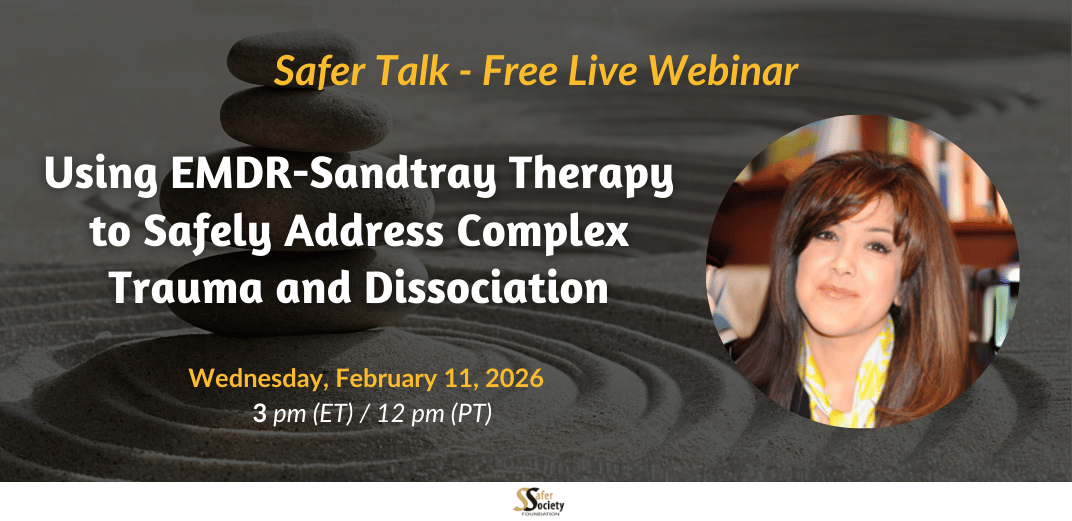
  • Using EMDR-Sandtray Therapy to Safely Address Complex Trauma and Dissociation

    In this engaging webinar, Ana Gómez, author of EMDR-Sandtray-Based Therapy, explores the integration of Eye Movement Desensitization and Reprocessing (EMDR) with sandtray therapy to support healing from complex trauma and dissociation across the lifespan. Participants will discover how creativity, symbols, and embodied expression in the sandtray can bridge the implicit and explicit experience, allowing deeply held memories and sensations to surface within a safe, relational space. Through demonstration and discussion, Ms. Gómez illustrates how attuned presence and collaborative meaning making foster integration, connection, and lasting therapeutic change.

    Free
  • Emerging Adults Who Have Sexually Abused: A Discussion on Understanding, Assessment, and Treatment

    Despite decades of progress in the evaluation and treatment of adults and adolescents who have sexually abused, “emerging adults” (roughly ages 18–25) often don’t fit neatly into either group. In this webinar, Dr. Waltrip and Dr. Leslie explore the developmental, legal, and clinical factors that make this population unique. Drawing on their extensive experience, they will discuss how to recognize the characteristics of emerging adults, differentiate their needs from those of adolescents and adults, and apply effective assessment tools and treatment approaches tailored to each client.

    Free
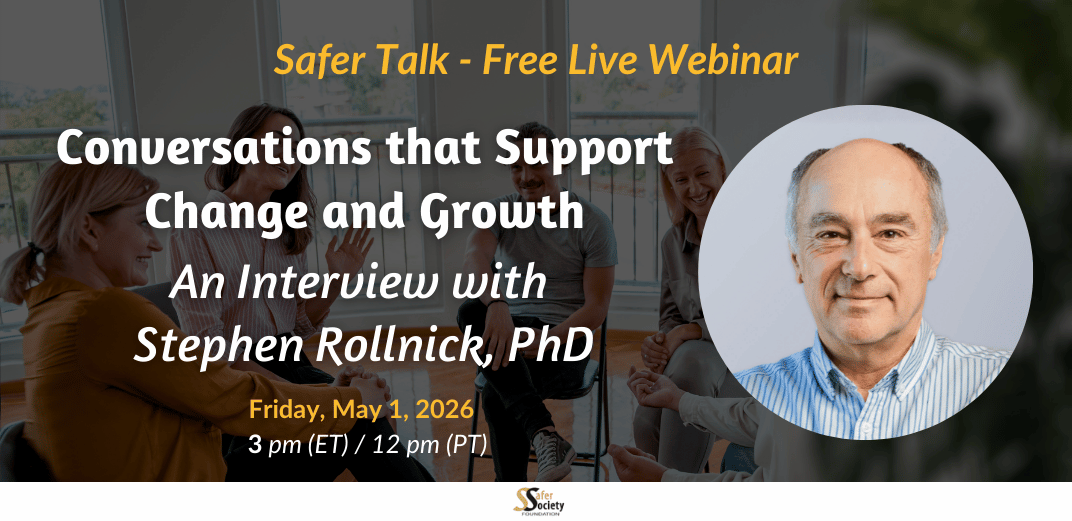
  • Conversations that Support Change and Growth: An Interview with Stephen Rollnick, PhD

    Join us for an inspiring conversation with Dr. Stephen Rollnick, co-founder of Motivational Interviewing (MI) and co-author of its foundational texts. In this interview, Dr. Rollnick reflects on a career dedicated to understanding how compassionate, collaborative conversations can inspire meaningful change. Drawing from his work across healthcare, sports, and behavioral health—including groundbreaking research with individuals convicted of sexual offenses—he explores how professionals can foster self-awareness, safety, and openness in both individual and group settings. Attendees will gain fresh insight into how MI’s core principles continue to evolve and inform efforts in prevention, treatment, and personal growth.

    Free