
The Intersection of Brain Injury and Domestic Violence: Adapting Assessment and Treatment
Sorry you missed it but...
This event has passed and will be available on-demand shortly.
Please check back later!
Traumatic brain injuries (TBI) affect an estimated 18.2% of the general population in the United States, with significantly higher rates in criminal justice settings. A Colorado-based study found that 45% of adults and adolescents involved in the legal system had a history of TBI, rising to 55% among adults alone.
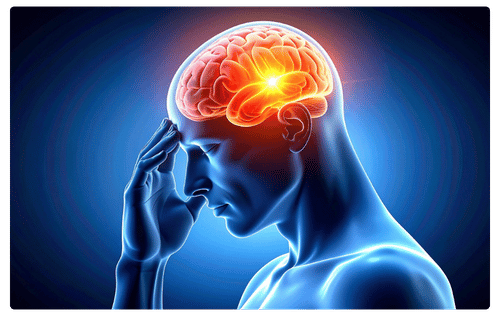 Among individuals on probation—the most common sentence for domestic violence—those with TBI were more likely to:
- Have prior felony convictions
- Be assessed as higher risk of reoffending
- Require more intensive supervision
- Reoffend at higher rates
These disparities become even more pronounced in higher-security settings.
Russha Knauer—Director of Colorado’s lead state agency on traumatic brain injuries, MINDSOURCE Brain Injury Network—developed this training to address a critical gap in understanding, assessing, and working with adults who perpetrate domestic violence and have TBIs. During this training, Knauer highlights how brain injuries are often misinterpreted or overlooked, as their symptoms may appear similar to those of mental health conditions, substance use disorders, and other criminogenic needs.
Knauer introduces practical, brain injury–informed strategies to enhance identification and adapt interventions, ultimately supporting healthier, less controlling interpersonal behaviors.
Interactive Follow-Up Meeting
Attendees are invited to join an open discussion 15 minutes following the end of the training, where you can engage with fellow attendees by turning on your camera and microphone. This is an opportunity to share your experiences and contribute to a meaningful exchange of ideas. Time will be allocated to address questions or insights from the training. Please note that attendance is optional and will not affect your eligibility for a training certificate.
1) Define what a brain injury is and recognize its potential effects on behavior.
2) Identify common causes of brain injuries.
3) Explain how brain injury-related impairments can overlap with or mimic criminogenic needs, behavioral health needs, and other disabilities.
4) Provide practical strategies in any treatment or supervision situation to improve outcomes and engagement.
Audience
This training is for professionals who work with adult males convicted of domestic violence. This includes social workers, psychologists, clinical counselors, and interested paraprofessionals.
Content Level
Disclosure
Cancellations
Continuing Education Approval
American Psychological Association (APA)
Safer Society Foundation, Inc. is approved by the American Psychological Association (APA) to sponsor continuing education for psychologists. Safer Society Foundation maintains responsibility for this program and its content.
Who's Presenting
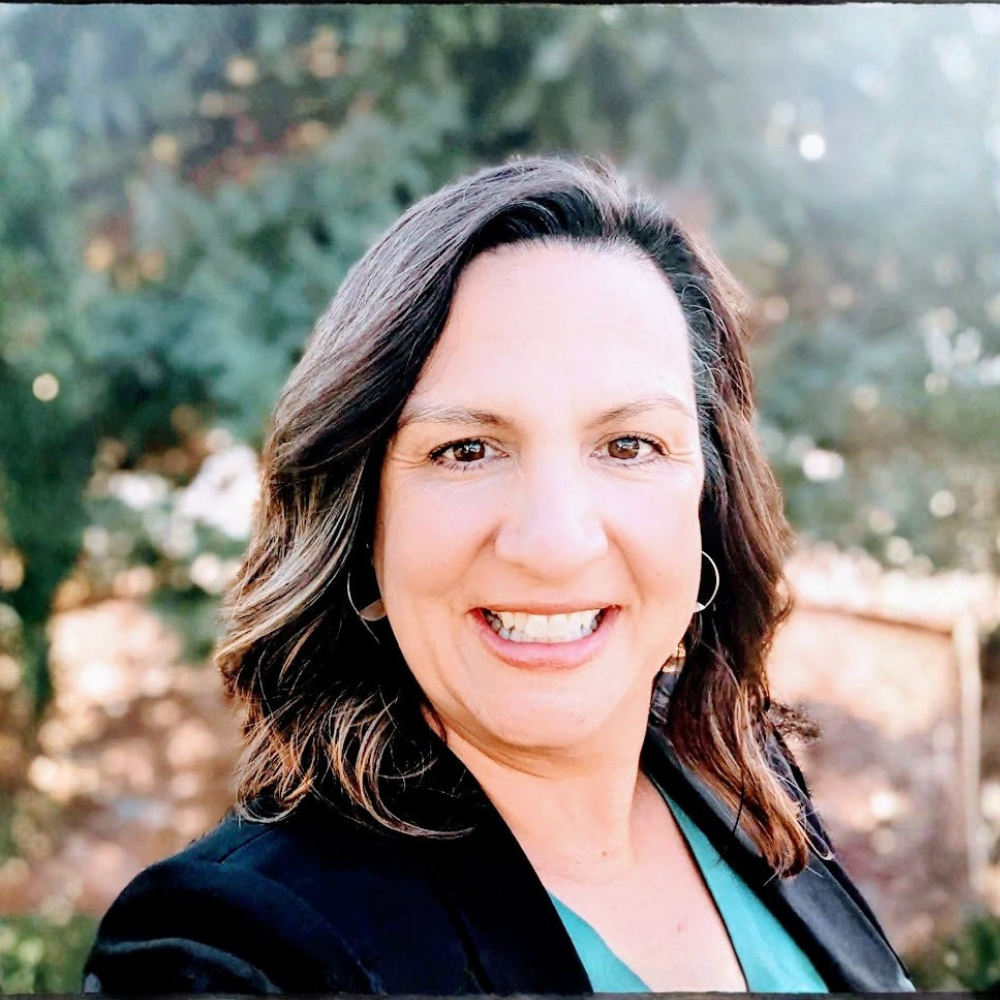
Russha Knauer, CDHS
Russha Knauer is the Director of the MINDSOURCE Brain Injury Network, the State of Colorado’s lead state agency on brain injury. Housed within the Colorado Department of Human Services, MINDSOURCE serves several functions with the overall aim of improving the care for people living with brain injuries. Russha came into this work after serving for over 20 years in various roles across the juvenile justice and criminal legal systems. This work gradually highlighted how unidentified brain injuries can interfere in successful behavior change and community transition for people involved in the criminal legal system. Eventually, the paths of Russha’s past and current careers began to converge. As an analyst within the Division of Probation Services in the Colorado State Court Administrator’s Office, Russha joined a cross-agency team of professionals to study the prevalence of brain injuries across the spectrum of juvenile justice and criminal legal system settings. This team identified and created tools effective for identifying lifetime history of brain injury and current symptoms, simple compensatory strategies, and ongoing group support. This set of tools is now known as the Online Brain Injury Screening & Support System (OBISSS) and Colorado Brain Injury Model. The latter model is used in more than 14 states and internationally.
In addition to Russha’s experience with brain injury and the criminal legal system, she has an extensive background working with and using implementation science to reinforce change in practice and is a member of the Motivational Interviewing Network of Trainers (MINT).