

Pedophilia and CSEM Offenses: Etiological and Typological Considerations in Clinical Practice
Already purchased an On Demand training?
Click here to access your Safer Society On-Demand Training Center account.
Recent research indicates that pedophilia is a taxon (i.e., a distinct category in which an individual either meets criteria or does not). This highlights important differences among individuals who commit sexual offenses against children, including that not all meet the criteria for pedophilia. A growing body of literature has focused on identifying meaningful differences between individuals convicted solely of non-contact child sexual exploitation material (CSEM) offenses and those convicted of contact or mixed offenses (i.e., both contact and CSEM), providing typological frameworks that distinguish these subgroups for practice. Understanding these distinctions is critical, particularly for effective risk assessment and treatment planning.

Dr. Sonja Krstic, a research psychologist, has extensively studied pedophilia, CSEM offending, and closely related issues. Drawing on her own work as well as the broader research literature, she developed this training to help professionals translate findings into clinical decision-making and refine their understanding of how the distinguishing characteristics of individuals with pedophilic disorders convicted of contact sexual offenses differ from those convicted of CSEM offenses.
During the training, Dr. Krstic explores a range of etiological and typological themes, including:
- The role of low perceived social competence
- The influence of past sexual victimization
- Neurodevelopmental risk factors
- Other empirically derived etiological factors
1) Identify characteristics that differentiate individuals who commit contact offenses, CSEM-only offenses, and mixed offenses against children
2) Describe the role of neurodevelopmental and environmental factors in pedophilia
3) Explain the practical importance of distinguishing individuals with pedophilic disorders from others convicted of sexual offenses against children
4) Identify distinguishing characteristics of CSEM offending and their implications for risk assessment and treatment planning
Audience
This training is primarily for professionals who provide assessment, treatment, or supervision for adults who have sexually abused others. This includes psychologists, social workers, counselors, and other mental health clinicians. Probation, parole, and other justice-involved treatment staff, as well as program administrators and clinical supervisors, will also benefit from this training.
Content Level
Disclosure
Continuing Education Approval
American Psychological Association (APA)
Safer Society Foundation, Inc. is approved by the American Psychological Association (APA) to sponsor continuing education for psychologists. Safer Society Foundation, Inc. maintains responsibility for this program and its content.
Association of Social Work Boards (ASWB)
Safer Society Foundation, Inc., provider #233, is approved to offer social work continuing education by the Association of Social Work Boards (ASWB) Approved Continuing Education (ACE) program. Regulatory boards are the final authority on courses accepted for continuing education credit. ACE provider approval period: 6/6/2026-6/6/2029. Social workers completing this course receive 3 clinical continuing education credits.
Who's Presenting
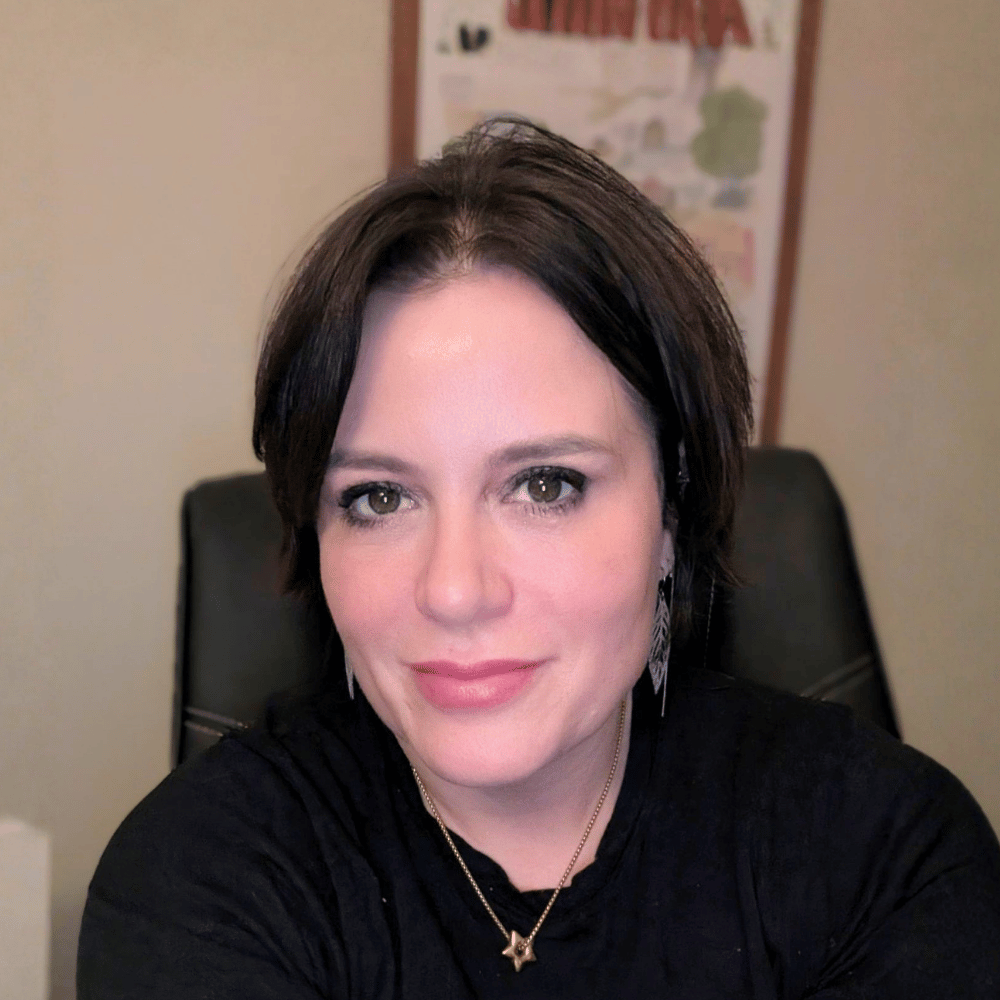
Sonja Krstic, PhD
Sonja Krstic, Ph.D., is an Assistant Professor at Endicott College. Her research focuses on psychopathy and sexual aggression, their relationship and etiology, including the associations of childhood maltreatment and psychopathic traits, variants of psychopathy and their distinct links to sexual offending, and the impact of psychopathy on risk assessment and recidivism. Recent work examines trait constellations that differentiate individuals who offend against children. She has worked with the MIDSA since 2010 and serves as co-chair of ATSA’s research committee and on MATSA’s executive board.