Though well-intentioned, policies and practices regarding sexual offending that are advocated by lawmakers and their constituents all too often result in efforts that are counterproductive for the long-term safety of the community. Just as problematically, they fail to adequately take into account the needs of the victims of abuse and do not adequately promote actions that can help individuals who have abused avoid re-offending.
Blending Motivational Interviewing Skills with Solution-Focused Brief Therapy
The integration of Motivational Interviewing (MI) and Solution-Focused Brief Therapy (SFBT) can provide clients with a more empowering, collaborative, and effective therapeutic experience. Rather than focusing on the issues that brought clients to seek therapy, SFBT concentrates on cultivating solutions and leveraging the client’s strengths. By combining the collaborative, empathetic techniques of MI with the future-oriented, strengths-based techniques of SFBT, professionals can help clients achieve lasting change in a brief timeframe.
Navigating the Challenges of Supervising Professionals Treating Sexual Aggression
Clinical supervision is a crucial component in the field of psychotherapy. It can involve educating newer clinicians on methods and models, helping them improve their practice in different directions, providing support and encouragement, and helping supervisees manage the inevitable reactions they have to clients’ historical behaviors.
Dr. Must and Mr. Prescott’s training provides supervisors with the tools and knowledge necessary to excel in their roles within the field, ultimately contributing to improved client care and clinician development.
Clarification Processes in Sibling Sexual Abuse: Ethical Decision-making and Best Practices
Professionals have long faced the challenge of helping families in the wake of sexual abuse. Practitioners must consider the complex needs of multiple people, including those who have harmed others and been harmed directly and indirectly within the family. In this workshop, Amanda Pryor explores these processes and the ethical dilemmas that can arise. She begins by defining clarification and how it is distinct from other related concepts.
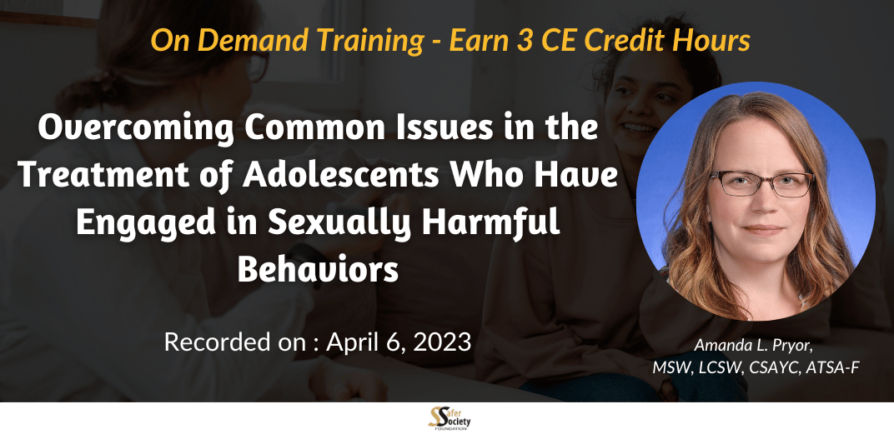
Overcoming Common Issues in the Treatment of Adolescents Who Have Engaged in Sexually Harmful Behavior
This training addresses current practices in the assessment, treatment, safety planning, and clarification in working with adolescent clients who have engaged in sexually harmful behaviors, as well as how to overcome some of the unique challenges of this work. The content is informed by the guidelines created by the Association for the Treatment of Sexual Abusers (ATSA), which are based on the principles of risk, need, and responsivity.
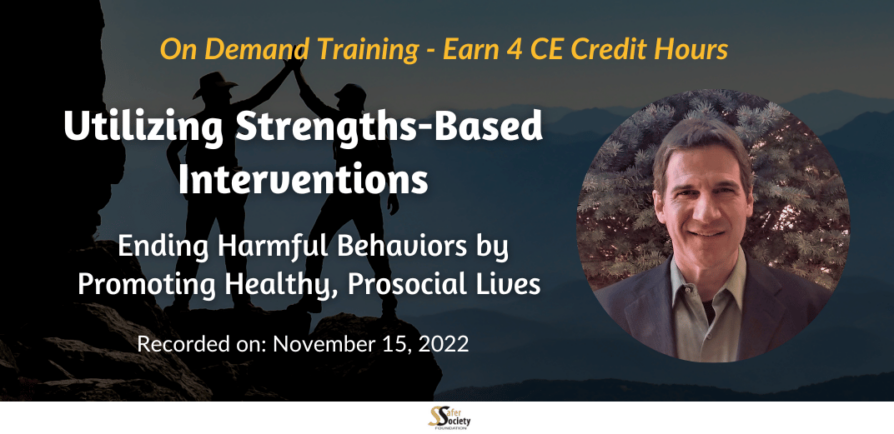
Utilizing Strengths-Based Interventions: Ending Harmful Sexual Behaviors by Promoting Healthy, Prosocial Lives
Adolescents and adults often enter sex offense-specific services presenting with mistrust, defensiveness, hopelessness, shame, anger, and other responses that can impede effective work. A Strengths-Based Approach (SBA) helps create an environment in which these clients begin to feel psychologically safe, open, and engaged in services. There is growing empirical support for utilizing strengths-based practices, which not only help mitigate harmful sexual behaviors but also develop and reinforce skills for leading healthy, prosocial lives.
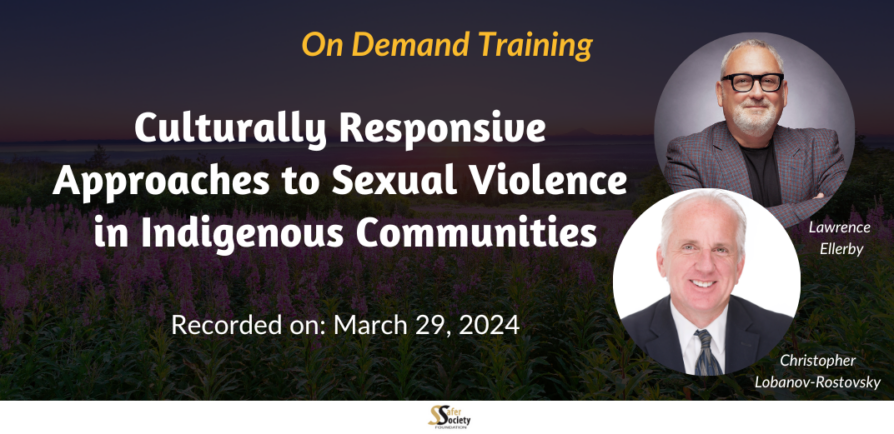
Culturally Responsive Approaches to Sexual Violence in Indigenous Communities
Sexual violence is rampant in Indigenous communities, where more than half of the women in the community have experienced sexual harm. The need for professional treatment of problematic behavior in these communities has never been greater, but Western approaches have proved ineffective. This training delves into the complexities of addressing sexual violence in Indigenous communities, offering a deep understanding of the historical and cultural factors at play.
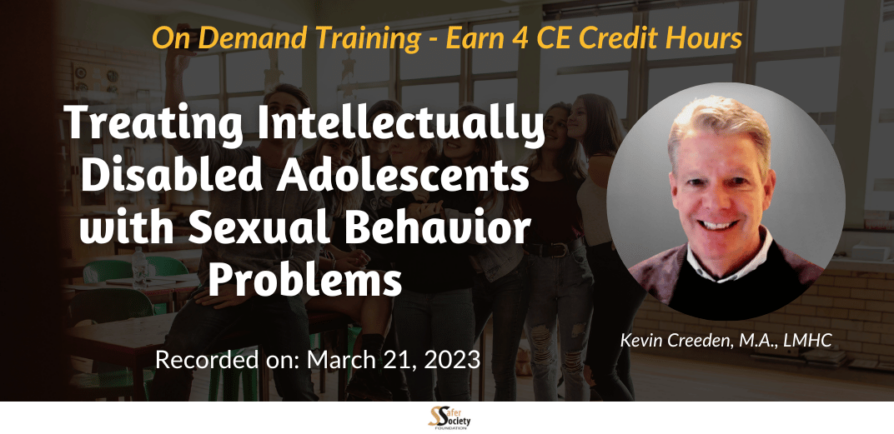
Treating Intellectually Disabled Adolescents with Sexual Behavior Problems
This training focuses on the overarching principles associated with the effective assessment and treatment of intellectually disabled youths exhibiting problematic sexual behaviors while identifying specific treatment needs and treatment interventions for some of the different constellations of social, emotional, and cognitive difficulties that may be presented by these youths.