
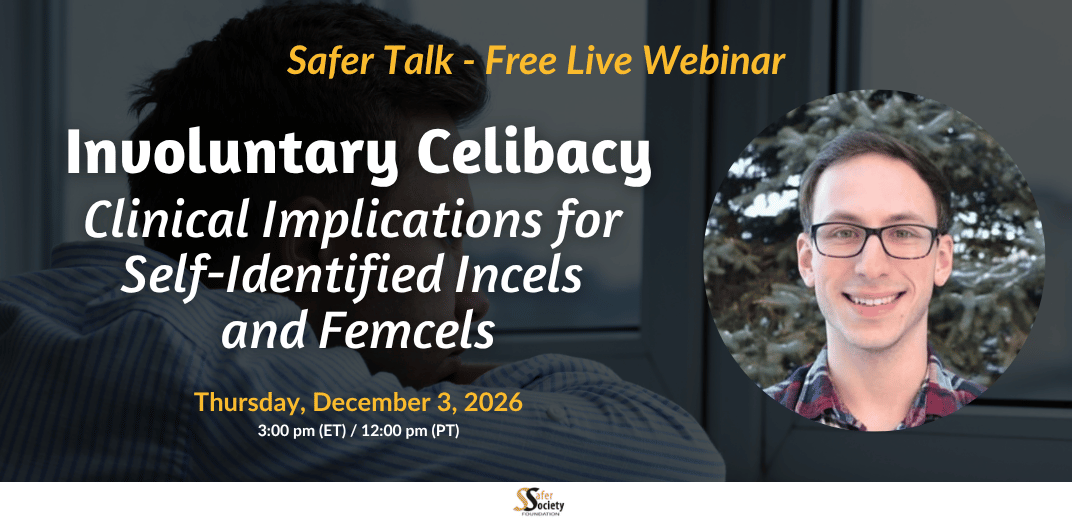
Involuntary Celibacy: Clinical Implications for Self-Identified Incels and Femcels
Please note: This webinar is not eligible for continuing education (CE) credit due to its informal, conversational format. Participants who attend the full live session will, however, receive a Certificate of Attendance. Also, the webinar recording will be made available for viewing through the On-Demand Webinar Library within 7-10 days following the live event.
This webinar is of interest to mental health and criminal justice professionals working with adolescents and adults who identify themselves as being “incels” and femcels.” This includes psychologists, social workers, counselors, child welfare, and probation and parole officers
Involuntary celibacy refers to a prolonged inability to form romantic or sexual bonds and has been associated with poor mental health, problematic relational models, loneliness, and helplessness. For some individuals, this experience comes to form a salient part of their identity, wherein they adopt the labels to represent their circumstance. Most famously, this is captured by the term “incel,” a portmanteau of involuntary celibate used by men that have largely been characterized as misogynistic and violent. But what about “femcels” (female involuntary celibates)? How do their profiles align or intersect with incels and should they share the same notoriety? What should clinicians do when working with these populations?
Brandon Sparks is one of the leading experts on involuntary celibacy and recently published the first direct study of femcels. His focus on the mental and relational wellbeing of incels and femcels provides clinically relevant avenues for intervention and support of an oft-alienated and at-risk group. In this webinar, Dr. Sparks discusses:
• The history of involuntary celibacy
• Gender considerations in understanding involuntary celibacy
• The merits of a mental and relational focus to involuntary celibacy
• The similarities and distinctions of incels and femcels
Who's Presenting
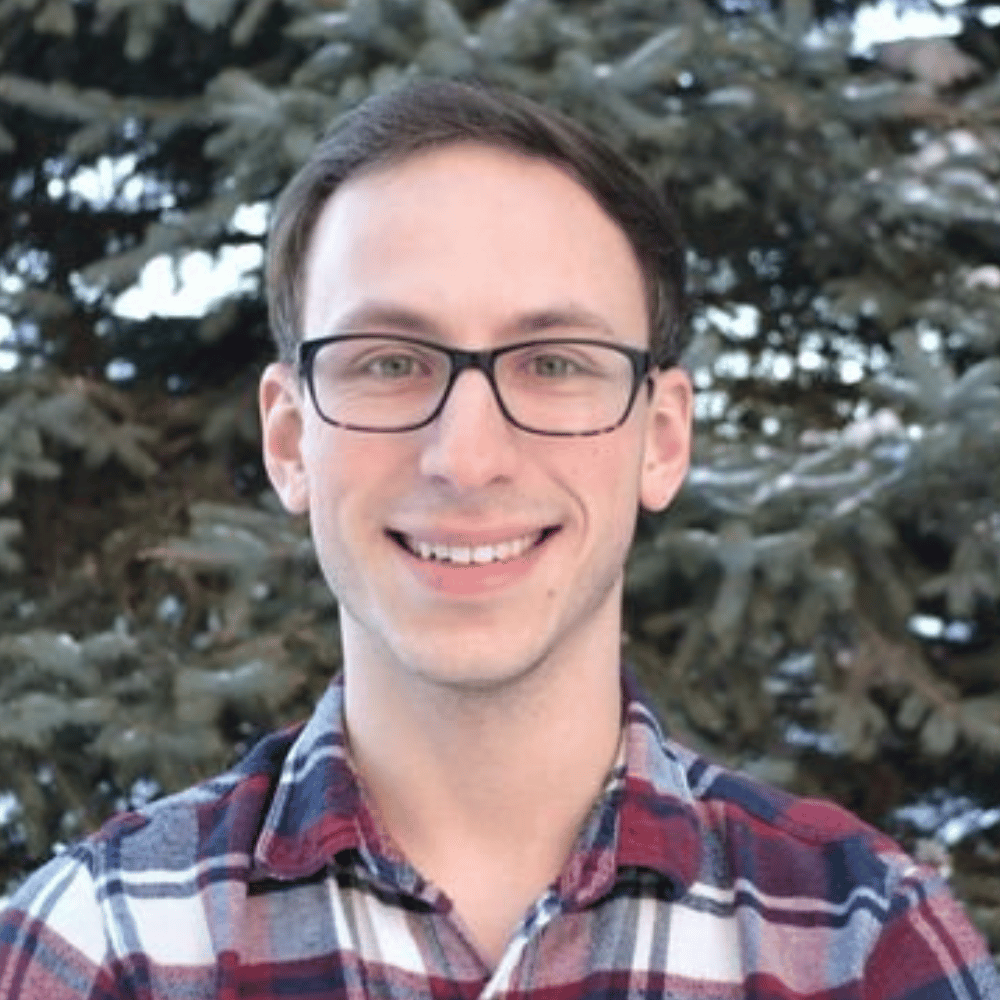
Brandon Sparks, PhD, FHEA
Brandon Sparks is a Postdoctoral Fellow at University of New Brunswick. He earned his PhD in Psychology at the University of Saskatchewan where he also earned an MA in Applied Social Psychology. His interests span all areas of forensic psychology, but much of his work has focused on sexual offenses, such as intimate partner sexual violence, perceptions of sexual offenders, and image-based sexual abuse. Some of his most recent work has focused on incels. He is also interested in community-based work, having completed a large-scale project on the prevention of child sexual abuse with the New Brunswick (Canada) Department of Justice and Public Safety. In addition to holding a number of administrative roles, he has also been a member of the Association for the Treatment & Prevention of Sexual Abuse’s (ATSA) Public Policy Committee since 2018.