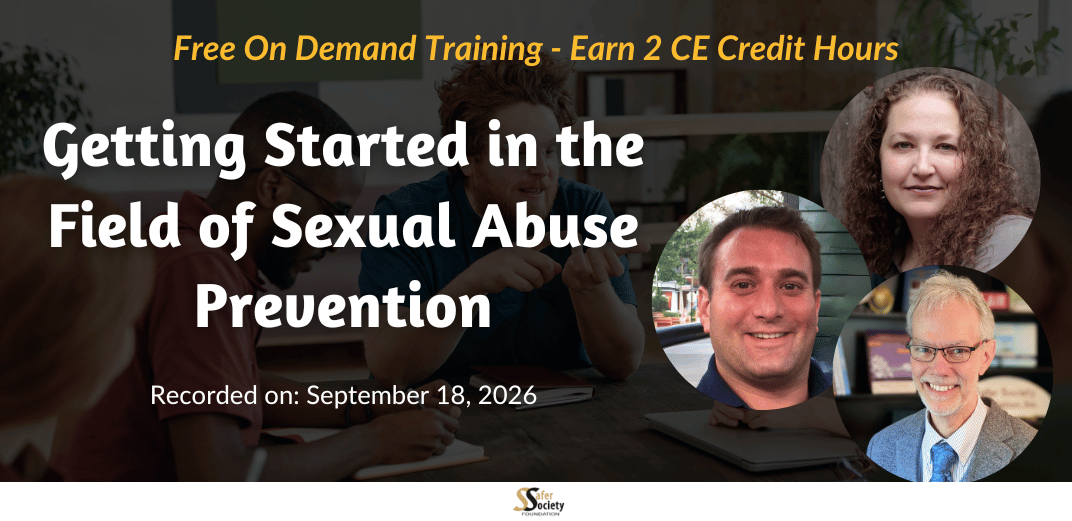
Getting Started in the Field of Sexual Abuse Prevention
Already purchased an On Demand training?
Click here to access your Safer Society On-Demand Training Center account.
Beginning a career in sexual abuse prevention can be challenging to navigate. The work can be deeply rewarding; participants in a recent Safer Society survey described the motivation that comes from contributing to community safety and helping clients lead healthier lives. At the same time, the field can involve considerable stress, particularly when ill-informed policies and programs make the work more difficult than necessary. 
In response, David Prescott, Katie Gotch, and Seth Wescott created this free training for early-career professionals working in abuse prevention with adults and adolescents. They are motivated by the concern that too many dedicated and capable professionals may shy away from this work due to limited guidance and resources. Their fundamental message is the people who choose to do this work matter, and they can flourish under the right conditions.
During the training, the presenters guide professionals through what they need to know to thrive in this field and find meaning in their work. They explore their own experiences and participants’ perspectives, reflecting on what they wish they had known when starting out.
Areas of focus include:
- Recognizing the role of mentorship, colleagues, and team-based approaches
- Understanding the strengths and limitations of available models
- Using—and misusing—highly scripted manuals
- Exploring self-care, from burnout to renewal
- Thriving in risk-averse workplaces and communities
- Understanding desistance and the principles of risk, need, and responsivity
- Maintaining boundaries and ethics
- Considering the experiences of women working with male clients
- Developing skills for demonstrating empathy
- Highlighting the role of humor
- Prioritizing workplace safety
Following the main presentation, the facilitators invite discussion with experienced practitioners in the audience, focusing on lessons from early in their careers, as well as the advice they would offer to those just entering the field. The conversation also highlights opportunities and recommendations for continued learning.
1) Identify effective models and methods for working with clients to prevent further abuse
2) Describe key elements of best practices when working with individuals who have caused harm
3) Explain the qualities and practices that support effectiveness and growth in this field
4) Identify strategies for self-care and workplace safety
Audience
This training is primarily for professionals involved in assessment and treatment of people who have sexually abused, as well as those in related fields who wish to prevent further offending. This includes psychologists, counselors, social workers, and law enforcement or corrections personnel.
Content Level
Disclosure
Continuing Education Approval
American Psychological Association (APA)
Safer Society Foundation, Inc. is approved by the American Psychological Association (APA) to sponsor continuing education for psychologists. Safer Society Foundation, Inc. maintains responsibility for this program and its content.
Association of Social Work Boards (ASWB)
Safer Society Foundation, Inc., provider #233, is approved to offer social work continuing education by the Association of Social Work Boards (ASWB) Approved Continuing Education (ACE) program. Regulatory boards are the final authority on courses accepted for continuing education credit. ACE provider approval period: 6/6/2026-6/6/2029. Social workers completing this course receive 2 general continuing education credits.
Who's Presenting
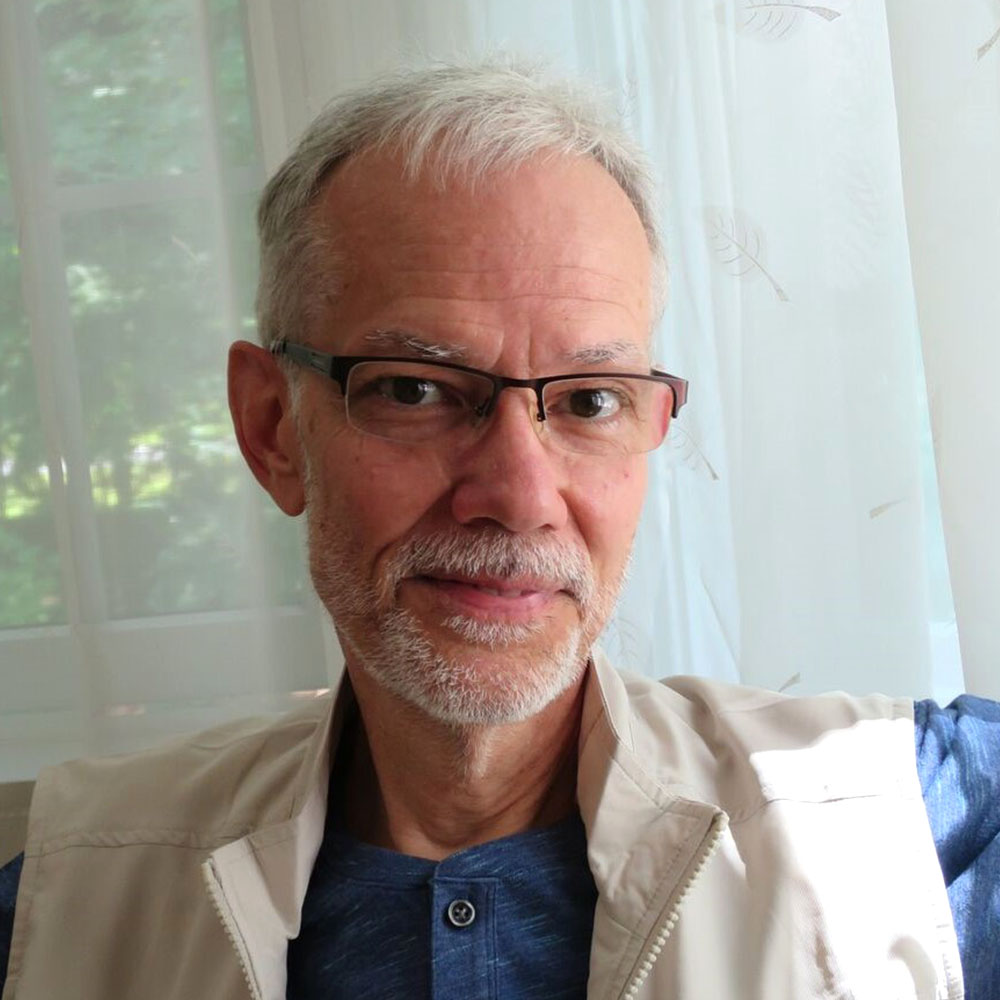
David Prescott, LICSW, ATSA-F
A mental health practitioner of over 40 years, David Prescott is the Director of the Safer Society Continuing Education Center. He is the author and editor of over 30 books in the areas of understanding and improving services to at-risk clients. He is best known for his work in the areas of understanding, assessing, and treating sexual violence and trauma. Mr. Prescott is the recipient of the 2014 Distinguished Contribution award from the Association for the Treatment and Prevention of Sexual Abuse (ATSA), the 2018 recipient of the National Adolescent Perpetration Network’s C. Henry Kempe Lifetime Achievement award, and the 2022 recipient of the Fay Honey Knopp Award from the New York State Alliance for the Prevention of Sexual Abuse and New York State ATSA. He also served as ATSA President in 2008-09. Mr. Prescott currently trains and lectures around the world. His published work has been translated into Japanese, Korean, German, French, Polish, and Southern Tutchone. He has served on the editorial boards of four scholarly journals.
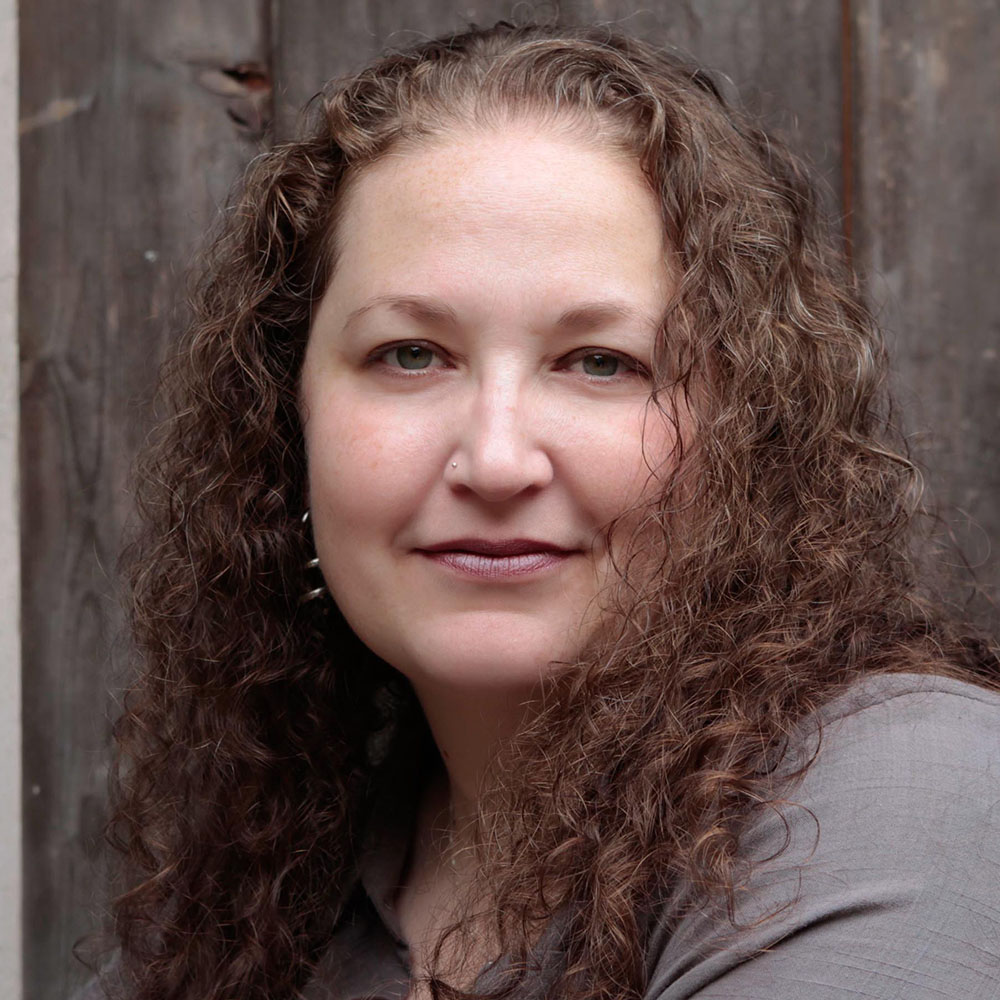
Katie Gotch, LPC, CCSOT, ATSA-F
Katie Gotch is a Safer Society Collaborator. She has worked in the field of sexual abuse prevention for well over twenty years as a clinician, evaluator, trainer, educator, and in the development of evidence-informed public policy. Katie currently maintains a private practice, Integrated Clinical & Correctional Services, which provides specialized clinical and consultation services related to individuals with sexual behavior problems and other forms of abusive/violent behavior. She frequently provides training to correctional agencies, treatment providers, policy makers, and other community partners on sexual abuse specific assessment, management and treatment; static and dynamic risk; public policy; public/media engagement; and related topics. She is a certified Static-99R/STABLE & ACUTE-2007 trainer and a local ODARA trainer. Katie has a long history of public policy and board involvement; She has served as the Public Policy Executive Board Member for ATSA, as a Board Member for NPEIV, and as the Policy Advisor for OATSA.
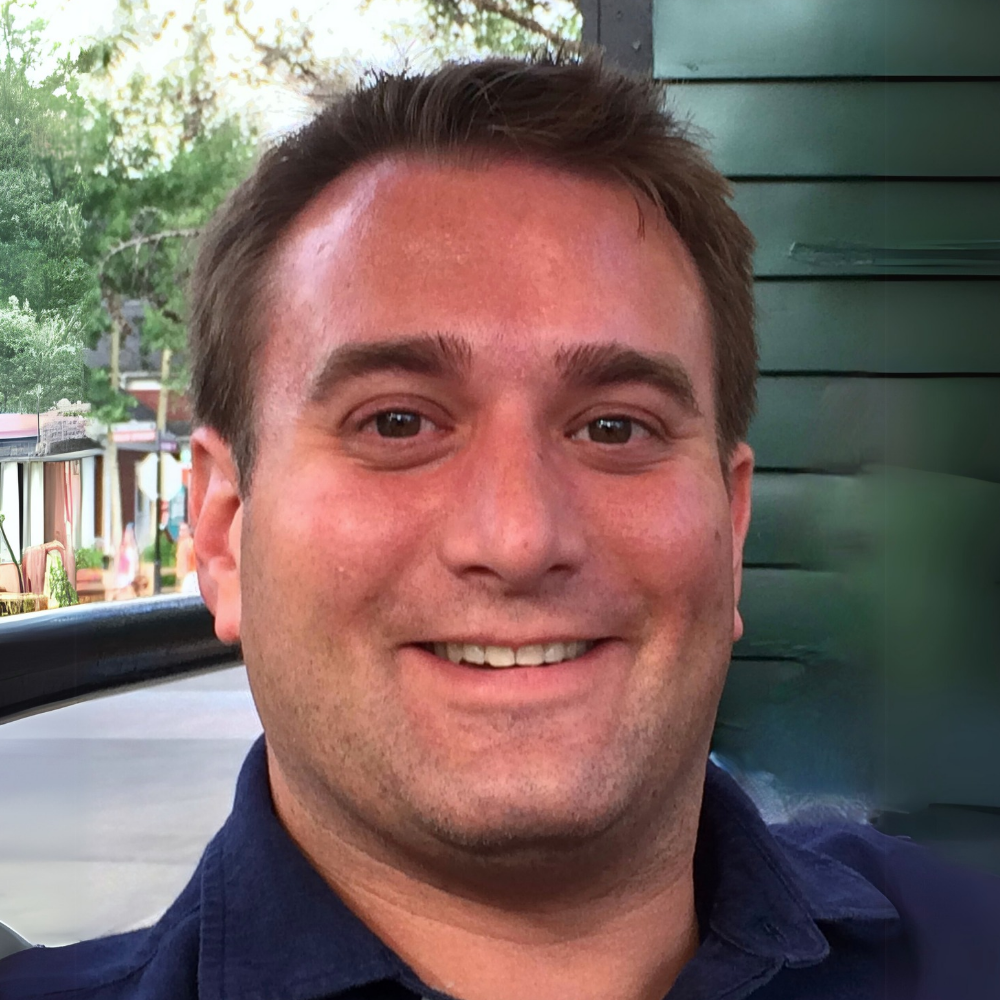
Seth Wescott, LMLP, ATSA-F
Seth Wescott is a Licensed Master’s Level Psychologist and has been working with individuals with problematic sexual behaviors since 2002. He has worked in maximum security prisons for both adults and adolescents as well as various community-based settings. In private practice, Seth conducts pre-disposition and pre-adjudication psychosexual evaluations of adults and adolescents. He is heavily involved in public policy and provides consultation to policy makers and legislators. Seth is a Safer Society collaborator. He is an independent certified trainer for Static-99R, Stable-2007, and Acute-2007 risk assessments and an ATSA Fellow. Seth is a Professor of the Practice at the University of Kansas.