
Facilitating Therapeutic Change Through Safeness and Play
Already purchased an On Demand training?
Click here to access your Safer Society On-Demand Training Center account.
Therapists have long asked what makes treatment, whether in community or forensic settings, come alive in work with adults. What enables clients not only to cope in the present, but to engage in a transformative, relational process of change? While safety refers to protection from harm, safeness describes the client’s subjective experience of feeling secure enough to relax, explore their inner world, and ultimately flourish.
When clients experience safeness, their internal world shifts. Defenses soften, and curiosity expands. Clients become more willing to take emotional risks and approach difficult material with greater flexibility. Under these conditions, treatment can be more effective.
 In this training, Dr. Kate Lucre—an expert in treating relational trauma and attachment issues—explores the relationship between safeness and play, and why both are central to meaningful therapeutic work across client populations. Her approach is grounded in compassion-focused therapy and related modalities.
Drawing on the work of Donald Winnicott, particularly his contributions to developmental psychology and early parent–infant relationships, Dr. Lucre conceptualizes therapy as a shared “play space”: a relational field in which insight, experimentation, and integration can emerge. When safeness is absent, however, therapy can quickly constrict, leaving clients entrenched in rigidity, over-intellectualization, or emotional withdrawal. Moreover, both safeness and play may themselves feel threatening, particularly in the context of complexity and vulnerability.
Topics addressed during this training include:
- Safeness as a foundational condition for facilitating behavioral change
- How a playful therapeutic stance promotes insight and transformation
- Recognizing when attempts to establish safeness are ineffective
- Practical strategies for cultivating safeness and integrating creativity into clinical work
Through examples and applied strategies, attendees gain tools to enliven their therapeutic work and support clients in accessing new possibilities for growth. Dr. Lucre invites participants to reimagine therapy not just as a space for understanding, but as a space where something new can emerge.
1) Explain the role of safeness as a clinical foundation in therapy
2) Describe how developing a playful approach facilitates change and insight
3) Use specific clinical skills when play or safeness may be experienced as threatening
4) Describe practical skills for co-creating a sense of safeness with clients
5) Explain techniques to bring more creativity into your practice
Audience
This training is primarily for professionals who provide assessment, treatment, or supervision for adults, including those involved with psychiatric services and/or the justice system. This includes psychologists, social workers, counselors, and other mental health clinicians. Probation, parole, and other justice-involved treatment staff, as well as program administrators and clinical supervisors, can also benefit from this training.
Content Level
Disclosure
Continuing Education Approval
American Psychological Association (APA)
Safer Society Foundation, Inc. is approved by the American Psychological Association (APA) to sponsor continuing education for psychologists. Safer Society Foundation, Inc. maintains responsibility for this program and its content.
Association of Social Work Boards (ASWB)
Safer Society Foundation, Inc., provider #233, is approved to offer social work continuing education by the Association of Social Work Boards (ASWB) Approved Continuing Education (ACE) program. Regulatory boards are the final authority on courses accepted for continuing education credit. ACE provider approval period: 6/6/2026-6/6/2029. Social workers completing this course receive 4 clinical continuing education credits.
Who's Presenting
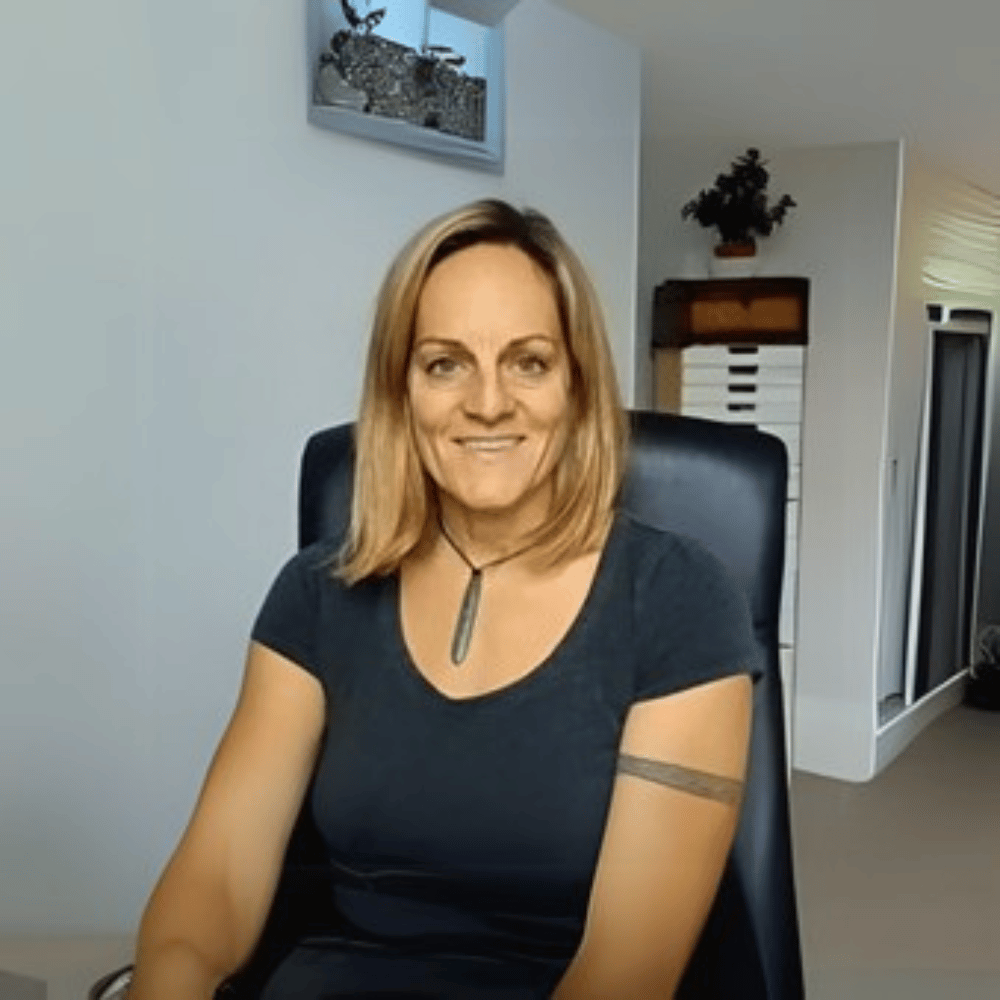
Dr. Kate Lucre
Dr. Kate Lucre is a Birmingham, UK-based Consultant Psychotherapist and Supervisor specializing in the use of Compassion Focused Therapy (CFT) for complex attachment and relational trauma for groups and individuals. She has over 25 years’ experience working in statutory, NHS and social care organizations in the UK and overseas. She also runs workshops across the UK and internationally in CFT for Groups and Compassion Focused Staff Support and Supervision.
Kate is the founder of Compassion Focused Group Psychotherapy (CFGP) for people who would attract a diagnosis of personality disorder and has published the only data in this model, recently completing a seven-year follow-up study to this original research programme. Kate has also developed Compassion Focused Staff Support and offers her model to staff in various settings in the UK and internationally. She is also involved in numerous UK-wide research projects, evaluating this model.