Available Sessions:
Let’s Talk History: How the Past Shapes Modern Relationships: January 15, 2026, from 11:00 am – 12:00 pm ETLet’s Talk Relationship Structures: Understanding Forms of Non-Monogamy: February 18, 2026, from 12:00 pm – 1:00 pm ET- Let’s Talk Application: Using Principles of Non-Monogamy in Clinical Practice: March 3, 2026, from 2:30 pm – 3:30 pm ET
Moderated by: Jay Herman, LCSW and David Prescott, LICSW, ATSA-F
Cost: $8.00 per session
Please Note: This session is not eligible for CE credits due to its informal conversational format.
Developing and maintaining healthy relationships is a central aspect of treatment for sexual offending. Relationships shape how individuals see themselves, connect with others, and find meaning and accountability in their lives. Yet for many people who have caused harm, the path toward genuine intimacy, trust, and empathy can be filled with obstacles. Professionals working in this field face unique challenges in helping clients develop their capacity for closeness while addressing fears, misunderstandings, and past traumas that affect connection. This work invites both professionals and clients to rethink what healthy relationships can look like in all their diversity and complexity.
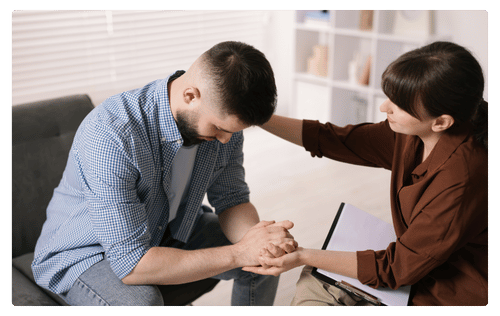
Building on these ideas, we invite you to join us for this series of professional dialogues moderated by Jay Herman, LCSW, and David Prescott, LICSW. These sessions provide a space to discuss and explore the complexities of relationships through historical and structural lenses, including what professionals and clients can learn from both monogamy and non-monogamy.
Each session begins with a focused exploration of a specific topic and evolves naturally into an engaging, attendee-driven conversation shaped by shared experiences and insights:
Session 01: Let’s Talk History: How the Past Shapes Modern RelationshipsJanuary 15, 2026, from 11:00 am – 12:00 pm ET
Explore the historical forces that shape how we understand and practice relationships today. We explore economic, religious, and structural contexts that have influenced societal norms around relationship structures over time. Through discussion and examples, consider how these historical insights can inform modern clinical work and enhance understanding of clients’ relational experiences.Session 02: Let’s Talk Relationship Structures: Understanding Forms of Non-Monogamy
February 18, 2026, from 12:00 pm – 1:00 pm ET
Examine the many forms of non-monogamous relationship structures and the diverse reasons people choose them. Explore how non-monogamy can function in healthy and supportive ways, as well as the challenges and risks that may arise. Through open discussion, consider how understanding these dynamics can help clients develop respectful, fulfilling relationships.- Session 03: Let’s Talk Application: Using Principles of Non-Monogamy in Clinical Practice
March 3, 2026, from 2:30 pm – 3:30 pm ET
Understand the principles of non-monogamy and how they can inform work with clients who have engaged in unhealthy sexual behaviors. Discuss how concepts such as transparency, consent, and communication with non-monogamous relationships can be applied to strengthen therapeutic approaches. Explore ways to assess risk factors, build protective factors, and foster relationship skills that promote accountability, respect, and healthy intimacy.
These sessions are more than a discussion—they are opportunities to network, build skills, exchange ideas, and contribute to shaping best practices in mental health care. Join us to connect with like-minded professionals, gain actionable insights, and contribute meaningfully to improving outcomes for both clients and providers in our communities.
To ensure that each session is workable, we will limit the number of attendees. Registration for each session will, therefore, be on a first-come-first-served basis. We are charging a non-refundable fee of $8.00 to reserve your spot.
Your personal privacy is our highest priority. These sessions will be recorded for liability purposes only. The recordings will not be shared with attendees or distributed outside of Safer Society Foundation.
Like any group discussion, everyone will have a responsibility to keep it a safe, professional, and confidential space. We will adhere to the codes of ethics of our professions, mandatory laws, and other professional standards. The Safe Haven series is intended to be supportive; not formal supervision, consultation, or legal advice.