
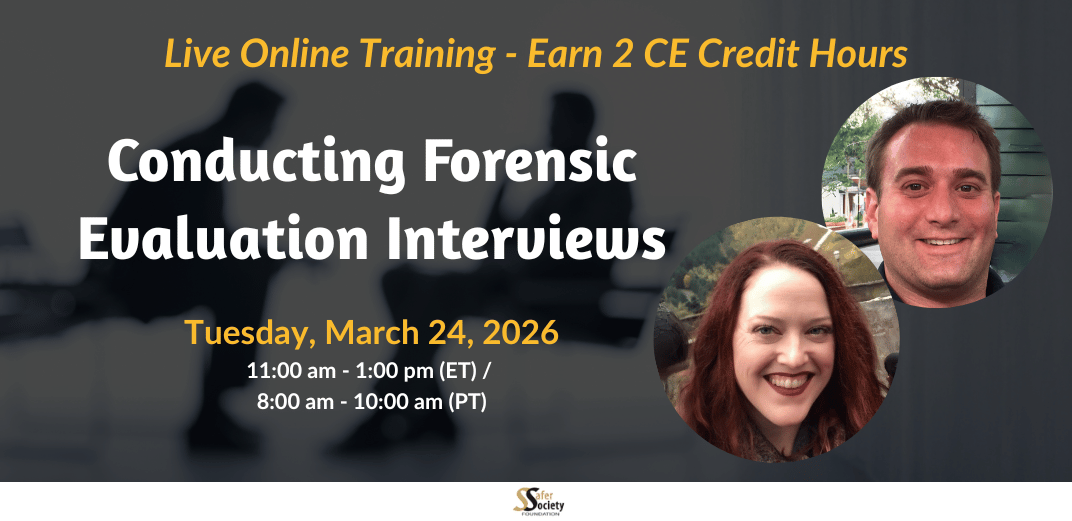
Conducting Forensic Evaluation Interviews
Throughout their careers, mental health practitioners receive education and training on conducting assessments in a variety of settings. These assessments rely on both interviews and record reviews. According to the American Psychological Association, an evaluation becomes forensic when a practitioner “reasonably expects to, agrees to, or is legally mandated to provide expertise on an explicitly psycholegal issue.” This distinction sets forensic evaluations apart from standard clinical evaluations, as they require evaluators to be well-versed in the ultimate issue before the court.
Seasoned evaluators Amy Griffith, PhD, and Seth Wescott, LMLP, ASTA-F, developed this training to assist professionals in refining their skills and to offer insights on enhancing their practice. Conducting forensic interviews with adults presents unique challenges that differ from traditional clinical practice, and becoming familiar with them can be akin to learning a new language. Determining what information is relevant and the right process to obtain it can make the difference between an effective and ineffective assessment.
In this training, Dr. Griffith and Mr. Wescott explore the elements of effective forensic interviews and the characteristics of the interviewer. The presenters provide an overview of the different types of forensic evaluations, emphasizing the unique referral questions for each, how the forensic interview is shaped by those referral questions, and the challenges of maintaining objectivity within a legal framework.
Interactive Follow-Up Meeting
Attendees are invited to join an open discussion 15 minutes following the end of the training, where you can engage with fellow attendees by turning on your camera and microphone. This is an opportunity to share your experiences and contribute to a meaningful exchange of ideas. Time will be allocated to address questions or insights from the training. Please note that attendance is optional and will not affect your eligibility for a training certificate.
1) Identify three effective interview techniques for performing forensic evaluations
2) Describe relevant information obtained through interviews
3) Analyze interview responses to use assessment measures more efficiently
4) Explain four characteristics of an effective interviewer
Audience
This training is for professionals who conduct, or are preparing to conduct, risk or forensic assessments, especially those working with adults who have perpetrated abuse. This includes social workers, psychologists, clinical counselors, and interested paraprofessionals. Newer professionals looking to build competence in forensic evaluations, as well as experienced professionals seeking updated strategies and approaches, will benefit from this training.
Content Level
Disclosure
Cancellations
Continuing Education Approval
American Psychological Association (APA)
Safer Society Foundation, Inc. is approved by the American Psychological Association (APA) to sponsor continuing education for psychologists. Safer Society Foundation, Inc. maintains responsibility for this program and its content.
Association of Social Work Boards (ASWB)
Safer Society Foundation, Inc., provider #233, is approved to offer social work continuing education by the Association of Social Work Boards (ASWB) Approved Continuing Education (ACE) program. Regulatory boards are the final authority on courses accepted for continuing education credit. ACE provider approval period: 06/06/2025—06/06/2026. Social workers completing this course receive 2 clinical continuing education credits.
Who's Presenting
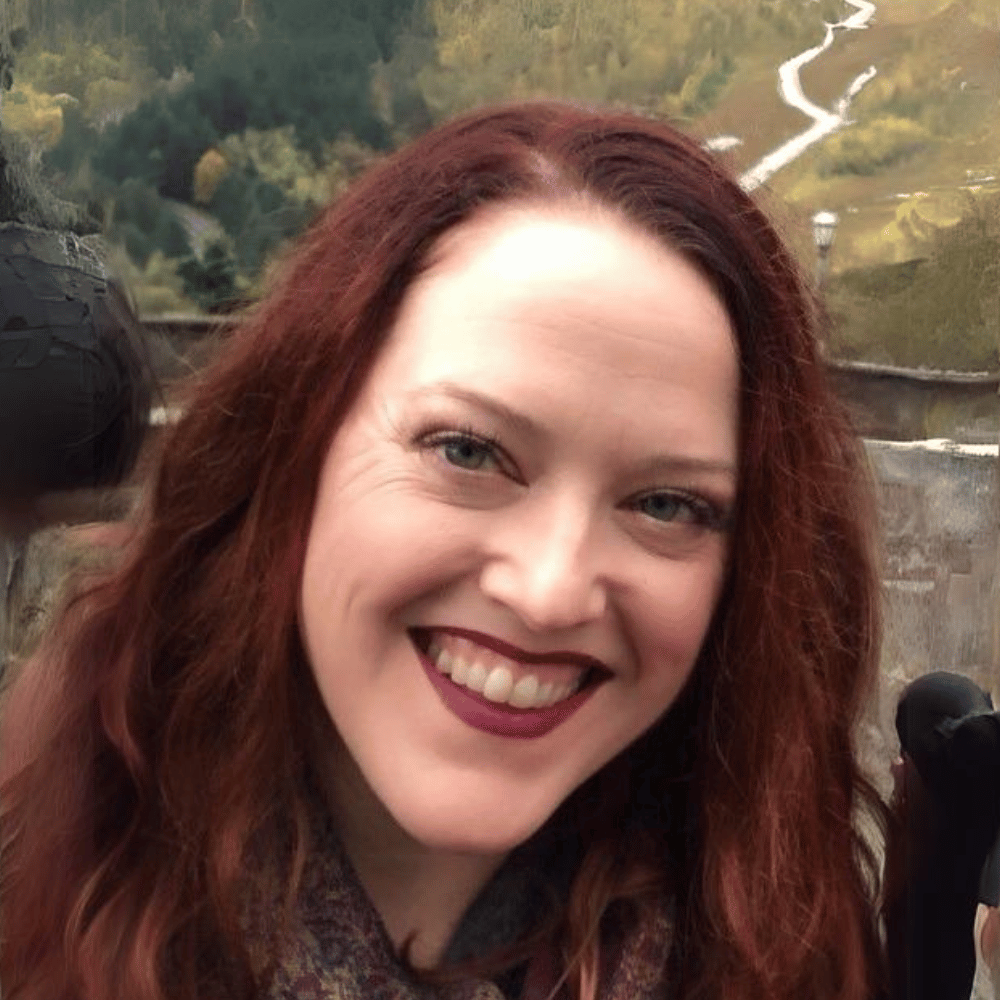
Amy Griffith, PhD, LP
Dr. Griffith is a licensed psychologist who has worked in the field of sexual abuse and violence prevention since 2005 in various capacities, including community, civil commitment, and correctional settings. She initially worked with victims of trauma, then children and adolescents with problematic sexual behavior, and predominantly adult men and women who have committed sexual offenses. Currently, she serves as Statewide Clinical Director of Sexual Offense Services in the Missouri Department of Corrections, employed by Centurion, where she oversees the assessment, treatment, and program development for persons incarcerated for sexual offenses. She also performs evaluations and expert witness testimony for individuals being evaluated for Sexually Violent Predator civil commitment. She is a Clinical Member of ATSA, as well as a member of the Public Policy and (effective 2023) the Adult Clinical Committees. She is also the President of the Missouri Association for the Treatment of Sexual Abusers (MoATSA), in the process of reviving and expanding the state chapter.
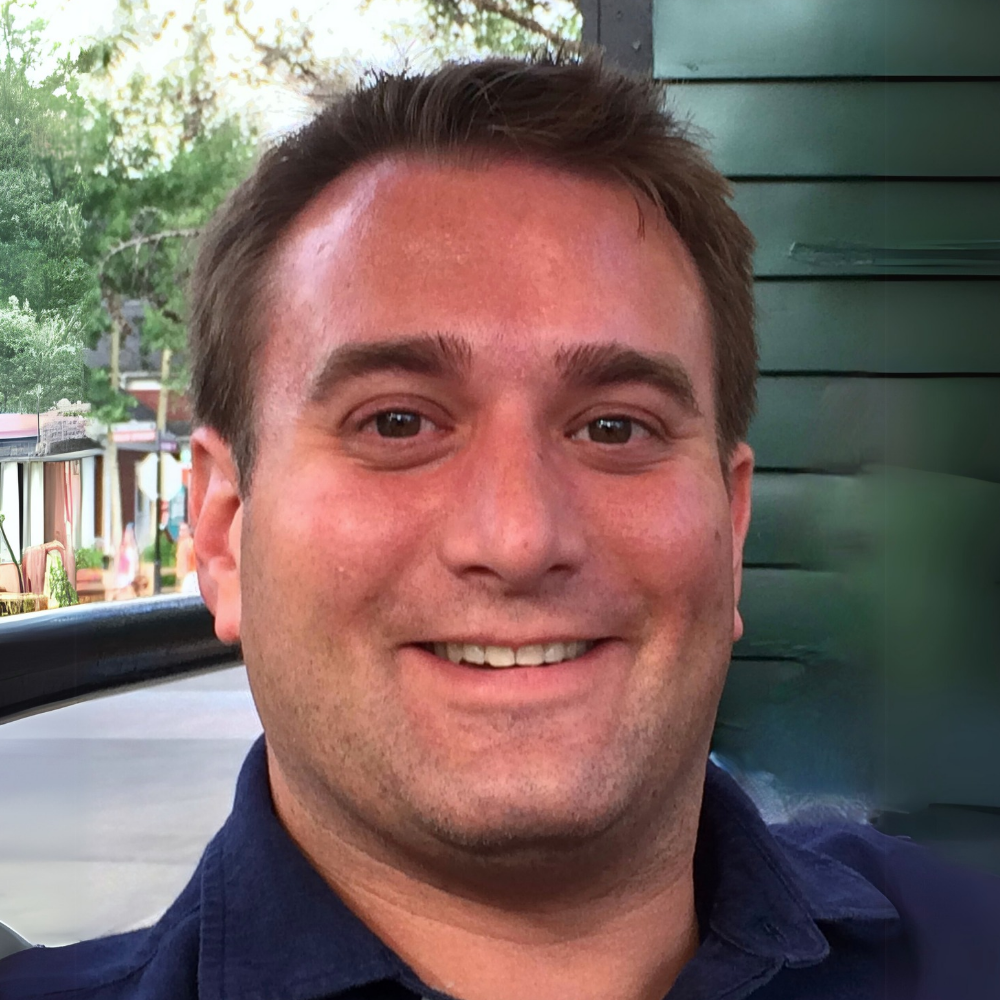
Seth Wescott, LMLP, ATSA-F
Seth Wescott is a Licensed Master’s Level Psychologist and has been working with individuals with problematic sexual behaviors since 2002. He has worked in maximum security prisons for both adults and adolescents as well as various community-based settings. In private practice, Seth conducts pre-disposition and pre-adjudication psychosexual evaluations of adults and adolescents. He is heavily involved in public policy and provides consultation to policy makers and legislators. Seth is a Safer Society collaborator. He is an independent certified trainer for Static-99R, Stable-2007, and Acute-2007 risk assessments and an ATSA Fellow. Seth is a Professor of the Practice at the University of Kansas.