Addressing the Impact of Language, Biases, and Labels on Youth
Please note: This training is not eligible for CE credits.
Each registration includes a certificate for attendance. To be eligible for a certificate, you must attend the entire live training and complete an evaluation form within 24 hours following the live event.
The language that professionals use to describe young people can have significant and lasting effects. Likewise, the biases that professionals have—whether they are aware of them or not—can also influence treatment in ways that go beyond the awareness of practitioner and client alike. Research shows that labeling can create a self-fulfilling prophecy, where youth internalize negative perceptions that ultimately undermine their self-esteem and mental health. This includes language related to sexual orientation, which can further marginalize young people, increase their sense of isolation, and reduce self-efficacy. Considering the often-fragile mental health of youths entering treatment, the stakes are very high indeed.
These biases and the challenges posed by the language we use can be overcome. Anette Birgersson and Christin Santiago developed training to thoroughly examine the consequences of language, biases and labeling. They offer strategies for recognizing and reshaping these tendencies to improve treatment outcomes and to help young people build better futures for themselves.
In this training, Birgersson and Santiago present strategies for:
- Recognizing and preventing the problematic use of language and labels
- Understanding common biases that occur when working with adolescents whose behaviors have harmed others
- Engaging clients from the first session
- Building skills for affirming and validating clients
- Helping clients to become more self-empowered
- Eliciting and supporting resiliency, motivation, and agency
- Helping youth understand the needs and vulnerabilities that have driven their behaviors
- Promoting pro-social skills
Empowering clients is especially important for youths from diverse backgrounds, helping them navigate their identities and experiences. By creating supportive environments, professionals can reduce the negative effects of labeling and encourage prosocial behaviors and positive identity development.
Interactive Follow-Up Meeting
Attendees are invited to join an open discussion 15 minutes following the end of the training, where you can engage with fellow attendees by turning on your camera and microphone. This is an opportunity to share your experiences and contribute to a meaningful exchange of ideas. Time will be allocated to address questions or insights from the training. Please note that attendance is optional and will not affect your eligibility for a training certificate.
1) Identify the effects of labeling and stigmatizing language that shape young people’s behavior and treatment experiences
2) Assess individual needs and vulnerabilities to tailor treatment
3) Use strategies that empower youths, particularly those from diverse backgrounds and marginalized identities
4) Build and maintain treatment environments that are supportive and nonjudgemental
5) Describe practical methods for overcoming common conscious and unconscious biases in practice and apply methods to reduce their impact on treatment outcomes
Audience
This training is primarily for professionals working with youth in residential or outpatient treatment, school-based services, or community-based programs. It is also intended for administrators, managers, and supervisors involved in treatment planning and program development.
Content Level
Cancellations
Who's Presenting
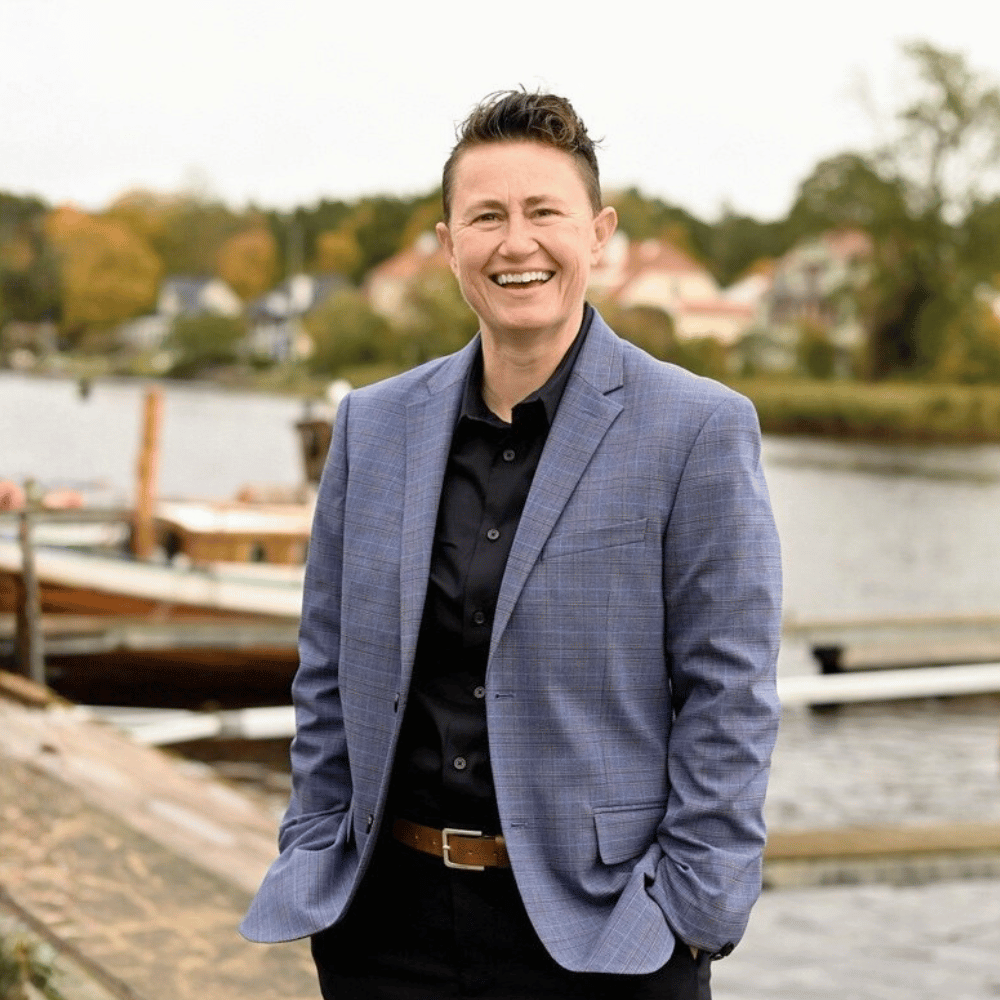
Anette Birgersson
Anette Birgersson, is a licensed psychotherapist with over 20 years of experience working with children and adolescents with trauma, neuropsychiatric diagnoses, and harmful sexual behaviors. Anette is trained in Cognitive Behavioral Therapy, Dialectical Behavior Therapy, Trauma-Focused Cognitive Behavioral Therapy (TF-CBT), Prolonged Exposure, Eye Movement Desensitization and Reprocessing, and Emotional Regulation Group Therapy. She is also a certified TF-CBT trainer. Anette is well-known in her home country of Sweden for developing culturally appropriate programming for treating youth who have sexually abused and young children. After almost two decades of work in this area, Anette opened her own company, Skills Clinic, which has led to her conducting training and supervision all over Europe, Scandinavia, Australia, and the United States. Anette is a NAPN Advisory Board member and sits on several committees for the Association for the Treatment of Sexual Abusers (ATSA: USA).
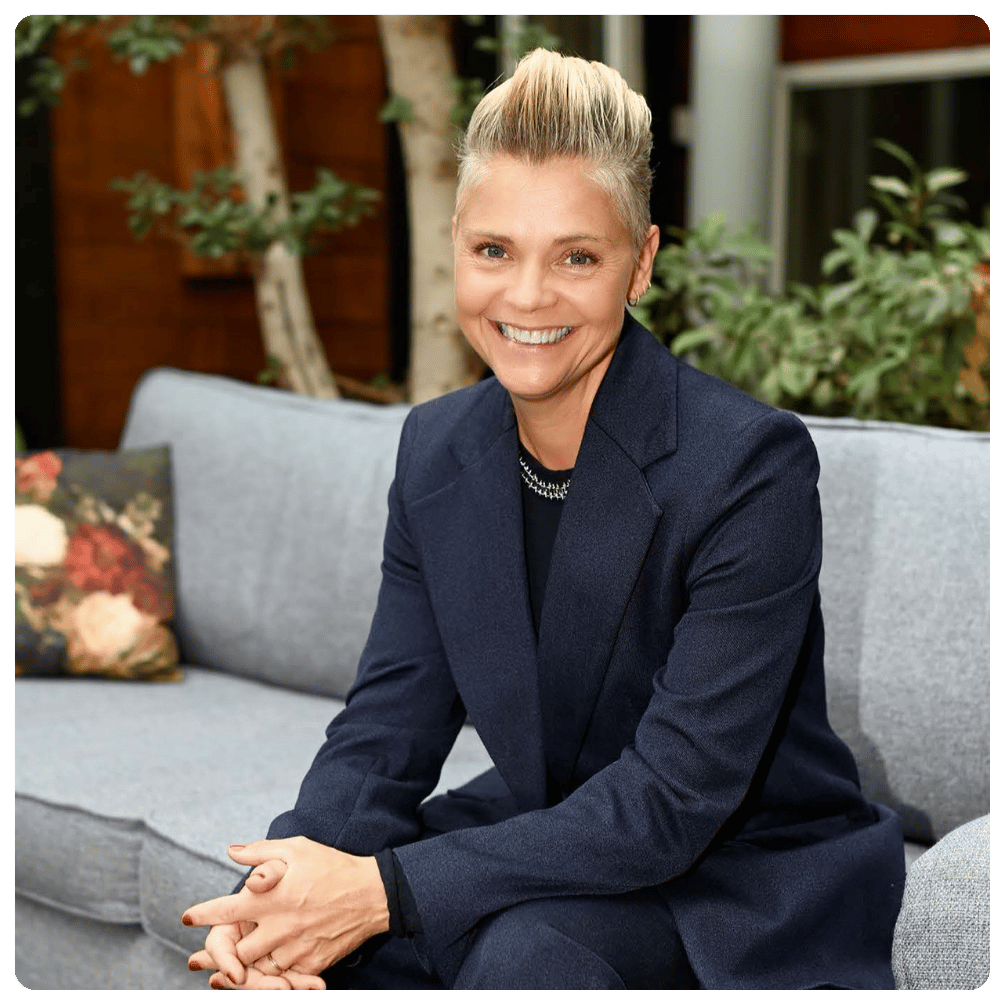
Christin Santiago, CTRS
Christin Santiago is a Recreational Therapist working with youth who have experienced trauma, neuropsychiatric issues and harmful sexual behaviors. Currently the Executive Director of the Skills Clinic in Sweden and the USA, Christin has developed many innovative therapeutic activities and programs that assist youth to develop internal emotional and trauma-management skills through activity and movement.
Internationally renowned, Christin has trained and supervised across America, Europe, Scandinavia, Australia and the UK. She has played a major coaching role in the Special Olympics, being chosen as the 2016 Coach of the Year for Special Olympics of Massachusetts. In 2018, Christin was selected as Head Athletics Coach to participate in the National USA Special Olympics Games in Seattle, Washington. In 2019, she was inducted into the Special Olympics Hall of Fame.
Christin has been an Advisory Board Member of the National Adolescent Perpetration Network (NAPN) for many years.