• Our Safe Haven: Working with Clients We Can’t Reach

    Have you ever encountered a client who seems impossible to reach? The one you struggle to establish a connection with? Perhaps you tried to get some consultation only to be met with vague responses like, try a motivational approach,” leaving you feeling judged and in need of your own inspiration.

    Join us for these Our Safe Haven sessions, where we delve into the stresses and solutions of navigating such challenging situations. Engage in open discussions, offer support, and be supported! Hosts Katie and David—seasoned professionals in the field—empathize with the hurdles you face and are here to guide you through.

    $8
  • Restorative Justice, Institutional Failures, and Survivor Criminology

    In this webinar, Dr. Ackerman shares her experiences navigating the complexities of RJ in these challenging circumstances. She discusses how the field has grown while highlighting areas where gaps and opportunities for improvement remain. She then describes her work with Survivor Criminology, a trauma-informed approach to the study of crime and justice that stems from the lived experiences of crime survivors. Dr. Ackerman’s expertise in Survivor Criminology provides a unique perspective on addressing the needs and experiences of survivors within the criminal justice system.

    Free
  • Our Safe Haven: Working with Clients We Can’t Reach

    Have you ever encountered a client who seems impossible to reach? The one you struggle to establish a connection with? Perhaps you tried to get some consultation only to be met with vague responses like, try a motivational approach,” leaving you feeling judged and in need of your own inspiration.

    Join us for these Our Safe Haven sessions, where we delve into the stresses and solutions of navigating such challenging situations. Engage in open discussions, offer support, and be supported! Hosts Katie and David—seasoned professionals in the field—empathize with the hurdles you face and are here to guide you through.

    $8
  • Our Safe Haven: Addressing the Complexities of Sex Trafficking

    Has your work been affected by sex trafficking? Do you work with individuals who have been trafficked or those who have engaged in trafficking? Or would you simply like to deepen your understanding of these issues?

    Join us for these Our Safe Haven sessions, where we delve into the stresses and solutions of navigating such challenging situations. These sessions provide a secure and supportive environment for professionals to engage in meaningful dialogue, share experiences, and collectively work toward prevention, protection, and rehabilitation for those affected by human trafficking. Our hosts, Katie and David, are seasoned professionals in the field who empathize with the hurdles you face and are here to help guide you through.

    $8
  • Addressing Sexual Violence in Indigenous Communities

    This free webinar addresses colonization and historical trauma experienced by Native American and First Nations peoples. It offers innovative strategies for incorporating this knowledge into prevention and intervention efforts. The speakers emphasize the need for non-Indigenous practitioners to approach their work from a decolonizing and trauma-informed perspective. Additionally, the speakers encourage participants to explore the idea of incorporating traditional cultural healing practices into their professional practice and collaborating with Indigenous spiritual advisors and elders. The open-dialogue format ensures that all perspectives are welcomed and respected.

    Tasha Mousseau, the Chief Officer of Advancement and Tribal Relations at Friends of the Children, shares her perspective based on her Wichita, Kiowa, and Caddo heritage. Her work focuses on supporting Indigenous communities, with a particular focus on supporting youths and fostering community growth.

    Chris Lobanov-Rostovsky and Dr. Lawrence Ellerby contribute their experiences as allies dedicated to supporting Indigenous people and communities in preventing sexual offenses and re-offenses.

    Join us for this conversation on addressing sexual violence in Native American and First Nations communities, where we’ll explore culturally responsive approaches to healing and prevention.

    Free
  • Compassion, Research, and “Wilsonisms”: Celebrating Dr. Robin Wilson’s 40 Years in the Field

    In this webinar, host David Prescott joins Dr. Wilson to reflect on his remarkable 40-year career and explore the field’s current state and where the future might lead. Join us in honoring Dr. Wilson’s dedication to advancing our understanding of sexual violence. His work has significantly enhanced our knowledge, the creation of safer communities, and the development of more effective rehabilitation strategies around the world.

    Free
  • Enhancing Mental Health Support for LGBTQ+ Youths

    Compared to their peers, LGTBQ+ youths experience disproportionate rates of adversity and trauma, including child maltreatment. Well-intended professionals who do not know or understand best practices risk unintentionally perpetuating harm. This webinar serves as a starting point for bridging the knowledge gap and fostering informed discussions.

    In this 90-minute session, host David Prescott brings together a panel of mental health providers who either serve LGBTQ+ youths or identify as LGBTQ+ themselves to explore:

    Characteristics of allyship within the mental health field
    Common challenges faced when providing mental health services to LGBTQ+ youths and their families
    Strategies for delivering affirming and inclusive care

    Free
  • What You Need to Know About Online Sexual Offending

    The rapidly evolving landscape of online sexual offending presents significant challenges for professionals working to prevent and address abuse. As technology advances at an unprecedented pace, several key trends have emerged, including AI-generated abuse imagery, sophisticated online grooming, and an increase in self-generated sexual content. These developments require a deeper understanding and innovative approaches from psychologists and other professionals involved in addressing this issue.

    In this one-hour webinar, Dr. Seto speaks about the main points that he has learned in researching online sexual offending, including:
    - Current types of online offending
    - How online offending has changed in recent years
    - Characteristics of those who offend online
    - Implications for practitioners, policymakers, and researchers

    Free
  • Sex Positivity and Inclusivity: Transforming Treatment for People Who Have Sexually Abused

    During this 90-minute webinar, a panel of nationally recognized experts explores the principles of sex positivity and inclusivity in therapeutic contexts, advocating for a non-judgmental attitude toward mutually consenting sexual activities.

    This discussion:
    - Underscores the need for an individualized assessment and understanding of each client.
    - Explores how and why a purely abstinence-based approach to the management of sexual urges and impulses is less likely to be effective.
    - Provides an open dialogue about how “taboo” or “deviant” topics, paired with education and normalization, can help patients address and manage their risks more effectively.

    By promoting sex positivity and inclusivity, clinicians can work towards reducing stigma and shame while still addressing potentially risky behaviors. In fact, the principles upheld by the kink community—communication, safety, and consent—offer valuable insights that can enhance these therapeutic interventions.

    Free
  • The Influence of Race on Detected and Undetected Sexual Offending

    How much do we know about undetected sexual offending? This question remains a critical concern for practitioners, courts, and policymakers alike. In this webinar, Dr. Kelley and Dr. Zaw discuss their recent study on the influence of race on detected and undetected sexual offenses among individuals deemed to be at high risk of re-offense. Their research compares White and Black adult males, revealing significant findings pertinent to understanding the actual prevalence of sexual offenses. This study is relevant to those seeking to understand the true rate of sexual offending and its implications for justice and policy development.

    Dr. Kelley and Dr. Zaw’s study is the second of a series aimed at understanding how to best account for undetected sexual offending—those that could have led to a criminal charge or conviction if detected—in risk assessments. Their earlier research findings led them to ask what could affect the detection rate, with racial differences being a focus. While existing studies and publications highlight disparities in victim reporting rates, policing practices, and judicial system responses for White versus Black men, questions remain about the differences in crimes, motivations, detection rates, and potential biases throughout the process.

    Dr. Kelley and Dr. Zaw’s findings are as complex as they are helpful. Their discussion focuses on areas that include antisocial processes and offense-related sexual interests. After presenting their study and findings, they explore the implications for risk assessments and evaluators, offering valuable perspectives for professionals in the field.

    Free
  • Understanding the Challenges Resulting from Pedophilia Diagnoses

    Many experts have suggested that pedophilia and pedophilic disorder are poorly differentiated by the DSM-5-TR. This is partly supported by three independent studies showing that a diagnosis of pedophilia does not predict sexual offending against children. The stakes are high: Without diagnostic clarity, we can fail to intervene appropriately, thereby perpetuating risk to children. We can also cause harm to the wrong people by mislabeling them.

    Ensuring the safety of our communities and the protection of children is a shared priority. However, we have a long way to go in ensuring best practices in diagnostic procedures. In this webinar, researcher and evaluator Robin J. Wilson joins David Prescott to discuss the challenges that professionals and clients face with this diagnosis.
    Free
  • Coercive Control in Sexual and Domestic Violence

    In this webinar, Dr. Fontes provides an exploration of the tactics associated with coercive control. She examines various methods used, including isolation, intimidation, monitoring, and gaslighting, as well as forms of abuse such as verbal, financial, legal, and sexual abuse. By introducing attendees to these strategies, Dr. Fontes aims to help them effectively recognize and address the complex dynamics of domestic abuse and coercive control. This introductory discussion, hosted by David Prescott, serves as a foundational step toward building awareness among professionals.

    Free
  • How to Use Journaling in Treatment with Justice-Involved Clients

    Despite its proven effectiveness, journaling as a clinical practice with justice-involved clients does not always get the attention it deserves. Some clinicians remain ambivalent about its use, especially when they don’t see its benefits. Given that so many treatment programs are oriented towards helping clients take the perspective of others, improve their decision-making and other cognitive skills, and engage in self-reflection, it is clear that journaling has a role in improving treatment outcomes.

    In this webinar, Dr. Janet DiGiorgio-Miller explores the potential of journaling in therapeutic settings, particularly for justice-involved clients. She covers several key aspects: Evidence base for journaling, Role of journaling in treatment, Practical implementation tips, Considerations for inpatient and prison settings

    Free
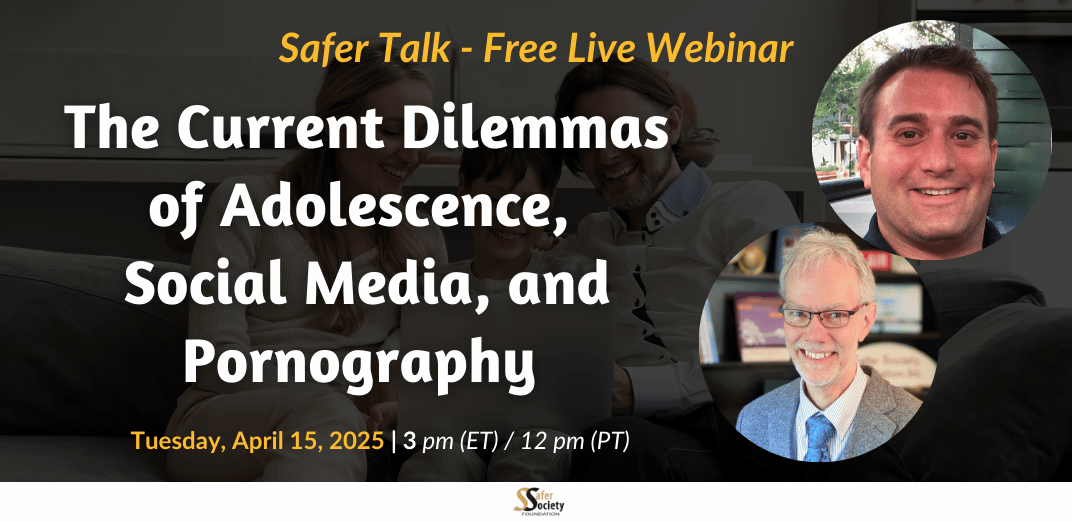
  • The Current Dilemmas of Adolescence, Social Media, and Pornography

    The challenges facing parents, caregivers, and adolescents in today’s digital landscape have arguably never been more complicated. All too often, adolescents find themselves navigating the harsh realities of readily available media without adequate guidance. Meanwhile, parents and caregivers are constrained by time and resources to help them and struggle to keep pace with these rapidly evolving technological issues. In this webinar, Seth Wescott and David Prescott review recent research and discuss the changing face of clinical practice in the current era. They offer ideas for understanding these issues and provide strategies for supporting adolescents and their families as they navigate this digital landscape.

    Free
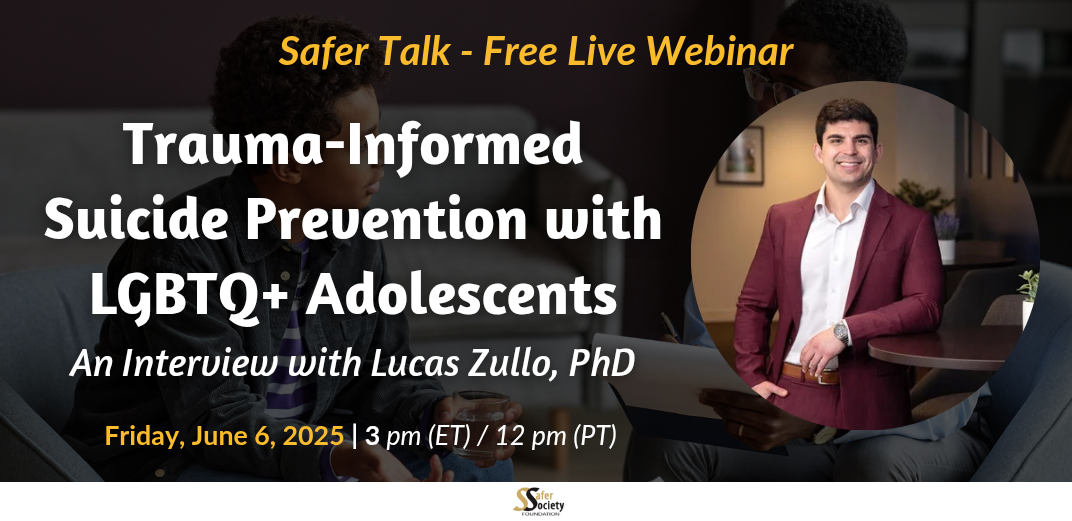
  • Trauma-Informed Suicide Prevention with LGBTQ+ Adolescents: An Interview with Lucas Zullo, PhD

    Suicide rates among adolescents have risen across the past two decades, particularly among LGBTQ+ youths. These alarming statistics underscore the importance of suicide prevention as a fundamental component of professional development in youth-serving fields. In this webinar interview, Dr. Lucas Zullo, an expert in family-focused evidence-based suicide prevention, discusses his work on trauma-informed approaches that aim to promote safety and prevent any unintended re-traumatization.

    Free
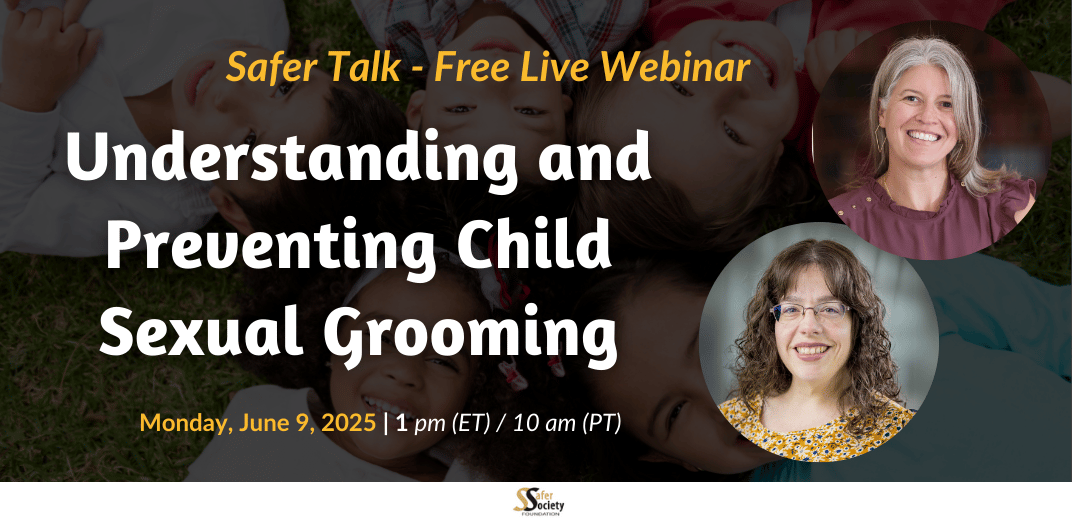
  • Understanding and Preventing Child Sexual Grooming

    The sexual grooming of children has emerged as a focal point of renewed public interest and prevention research. Child sexual grooming is a deliberate and deceptive process that paves the way to child sexual abuse. It involves behaviors that provide predators with access to children while reducing the likelihood that the abuse will be detected. Grooming tactics target not only the child but their caregivers and other influential adults as well.

    This webinar features Drs. Doyle Pruitt and Molly Wolf, who discuss what professionals need to know about child sexual grooming

    Free
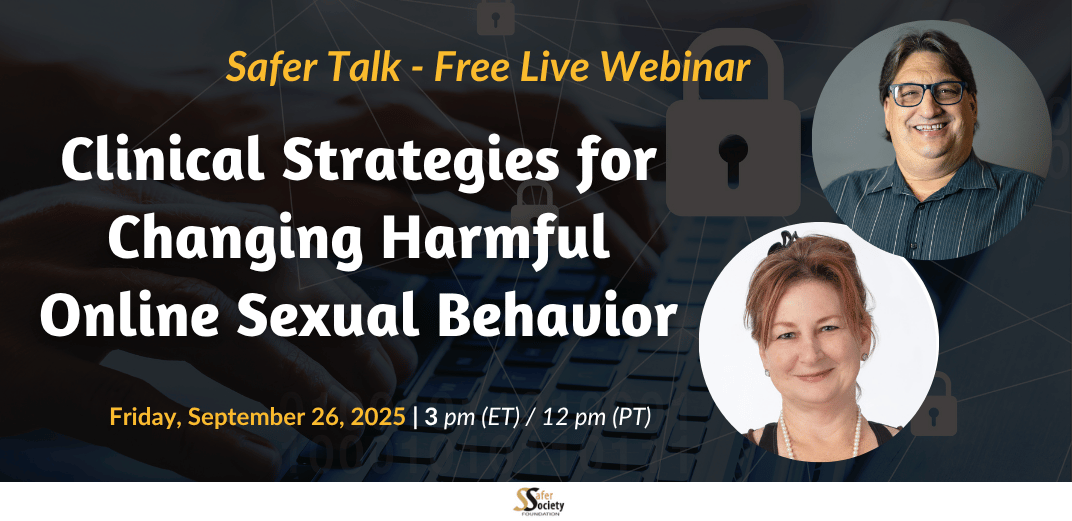
  • Clinical Strategies for Changing Harmful Online Sexual Behavior

    People who view child sexual abuse material (CSAM) enter treatment with distinct clinical challenges, including intense shame, secrecy, and ambivalence about their actions. In this webinar, David Delmonico and Elizabeth Griffin introduce a structured, therapeutic approach to addressing these behaviors with clarity, compassion, and accountability. They further discuss its application in their newly released The Illegal Images Workbook.

    Free
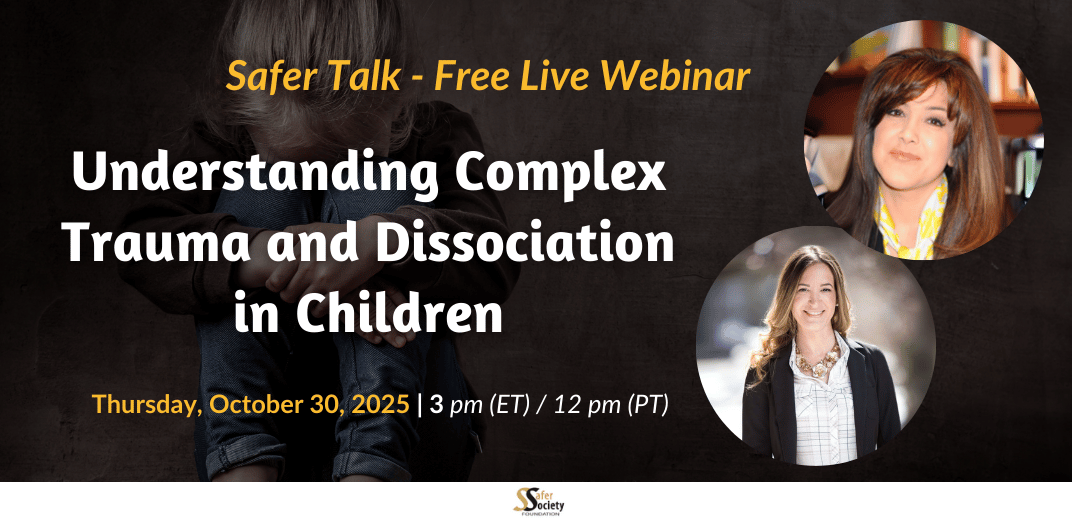
  • Understanding Complex Trauma and Dissociation in Children

    Complex trauma and dissociation are areas that have been rife with misunderstanding and misconception. Understanding these concepts is vital not only for clinicians but for all professionals working with children, as misdiagnosis or oversight can have lasting developmental consequences. In this webinar, Ana M. Gómez, an author, clinician, and international educator, and Jillian Hosey, a clinician in private practice and active leader within multiple organizations, share what they have learned from years of study and practice in the area of complex trauma and dissociation in children. Drawing on both their clinical expertise and their editorial work on the new Handbook of Complex Trauma and Dissociation in Children: Theory, Research, and Clinical Applications—the most comprehensive volume to date on this topic—Ms. Gómez and Ms. Hosey explore our current understanding of these concepts and clarify what each is and isn’t

    Free
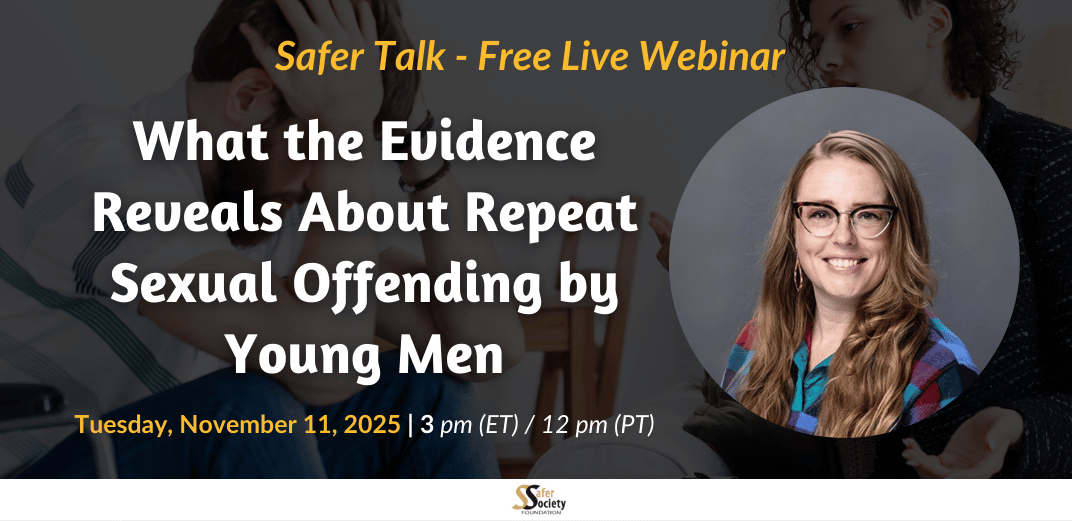
  • What the Evidence Reveals About Repeat Sexual Offending by Young Men

    RaeAnn Anderson, PhD, a human sexuality researcher and educator at the Sexual Violence Prevention Laboratory of the University of Missouri–Kansas City, makes a strong case that both research and practice are not making the most of our existing findings and that the true implications of what we have learned are profound. During this webinar, Dr. Anderson explores what we know about repeated sexual harm perpetration by young men across multiple settings, drawing from a variety of fields to highlight both the evidence and its consequences.

    Free
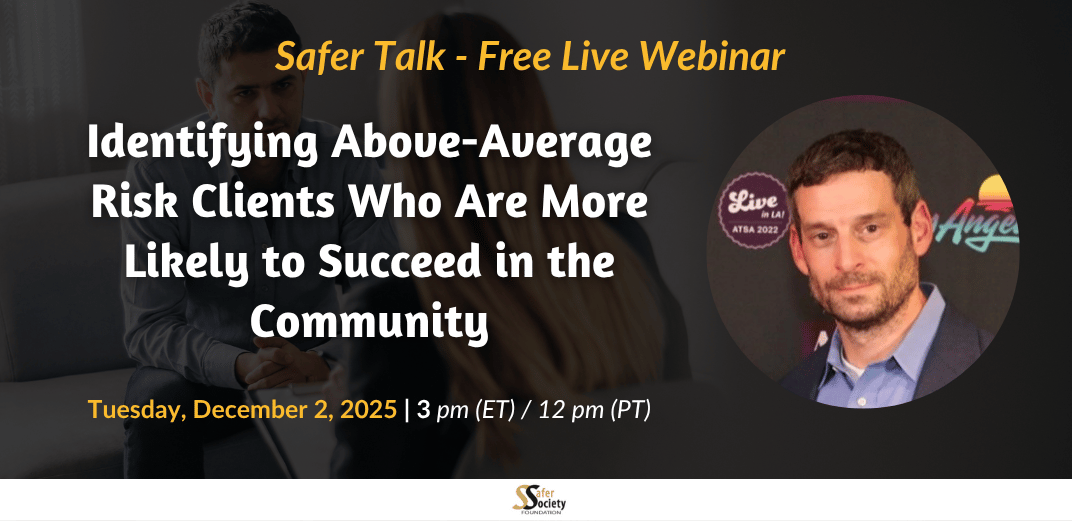
  • Identifying Above-Average Risk Clients Who Are More Likely to Succeed in the Community

    This webinar focuses on Dr. Sandler’s newest research findings regarding the factors that predict which above-average risk individuals would likely succeed in the community on a supervision and treatment order. Dr. Sandler shares these new, practice-orientated findings that, as is often the case with landmark research, deliver real-world impact and suggest new directions for assessment, treatment, and community supervision.

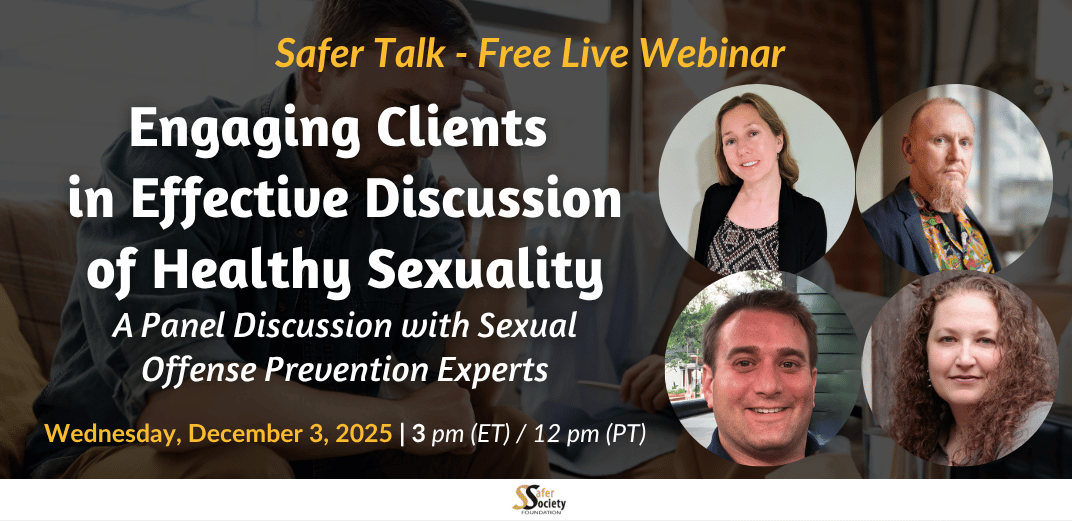
  • Engaging Clients in Effective Discussion of Healthy Sexuality: A Panel Discussion with Sexual Offense Prevention Experts

    Talking about sex is rarely simple, even for professionals working in sexual offense treatment. Boundaries can feel unclear and often vary from one setting to another. On top of that, separating personal values, beliefs, and experiences from one’s professional role can present additional challenges. Every client brings their own history, perspectives, and interests into the treatment setting, making these conversations even more complex. Yet, best practices necessitate that professionals develop confidence in directly addressing sexual topics with clients. Not only are these discussions essential for effective risk management, but also for supporting clients in developing healthy sex lives that are incompatible with offending. Nikole Nassen, Bud Ballinger, Seth Wescott, and Katie Gotch—leading clinicians and educators in sexual offense prevention—join us to guide this panel discussion. Drawing on their diverse experiences across inpatient and outpatient settings, they share insights, strategies, and practical guidance for navigating the often-uncharted territory of healthy sexuality.

    Free
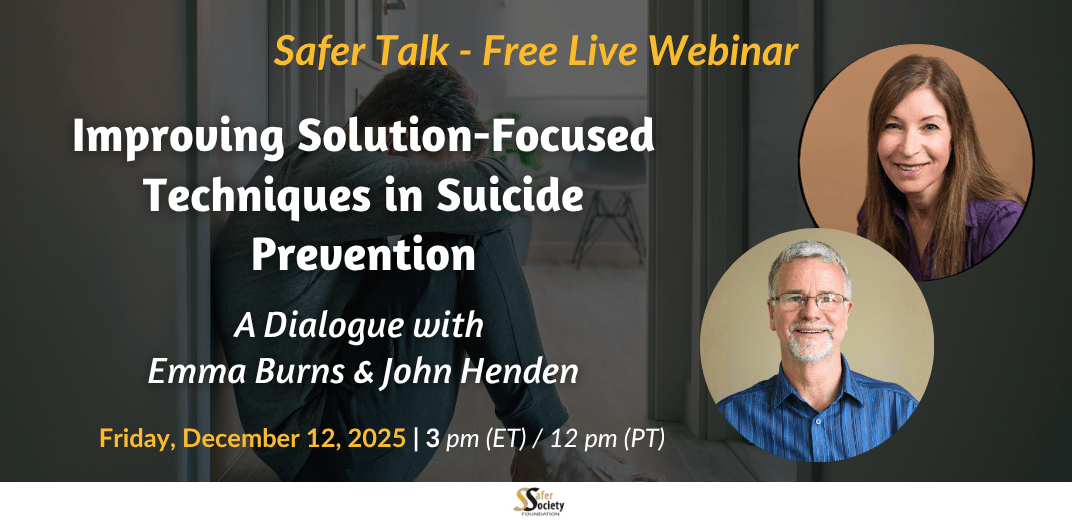
  • Improving Solution-Focused Techniques in Suicide Prevention: A Dialogue with Emma Burns and John Henden

    Skills for the effective prevention of suicide are critical for practitioners of all backgrounds and settings. Too often, professionals focus heavily on assessment and risk management, leaving clients feeling unheard or disconnected from the process. Solution-focused therapy (SFT) offers an alternative—one that centers on a client's strengths, potential, and capacity for change rather than on risk alone.

    In this webinar discussion, author Emma Burns and psychotherapist John Henden share their insights from their work using SFT with individuals experiencing suicidality. This conversation underscores the value of staying client-centered and strengths-based, even in complex and high-risk situations. It’s an opportunity to consider how subtle shifts in approach can open channels for change and healing.

    Free