
Advancing Violence Prevention Through Research and Community Partnerships
The primary audience for this webinar is professionals in violence prevention, social services, education, mental health, and law enforcement, along with program administrators and policymakers. Researchers, advocates, and community stakeholders interested in evidence-based prevention strategies will also benefit.
Melissa Bright, PhD, has dedicated her career to bridging the gap between research and practice by fostering collaboration among practitioners, community stakeholders, and scientists. As the Founder and Executive Director of the Center for Violence Prevention Research, she has led studies that inform the prevention of sexual abuse and violence against women in multiple domains, including topics such as:
- Safeguarding in sports (recreational and elite)

- Youth-involved sexual violence
- Violence during the prenatal and postpartum period
- School-based prevention education
- Individuals with intellectual and developmental disabilities
In this webinar, Dr. Bright discusses her findings in these areas and the implications for professionals seeking to prevent and reduce the harm of violence. She reflects on how she has found a sense of professional meaning and purpose through violence prevention research and by building community partnerships. As she observes, there are many efforts aimed at prevention that have no scientific basis, just as there are many researchers unable to bring their knowledge to a broader audience of professionals. Beyond presenting her research and its implications, Dr. Bright explores how scientific study can help to resolve complicated topics that are often at the heart of societal debates. She argues that public health research, including violence prevention, deserves the same rigorous investigation as medical research.
Ultimately, violence is preventable. Through strong community partnerships, Dr. Bright’s work has informed evidence-based strategic plans to improve programs, achieve better outcomes, and–most importantly–save lives.
Who's Presenting
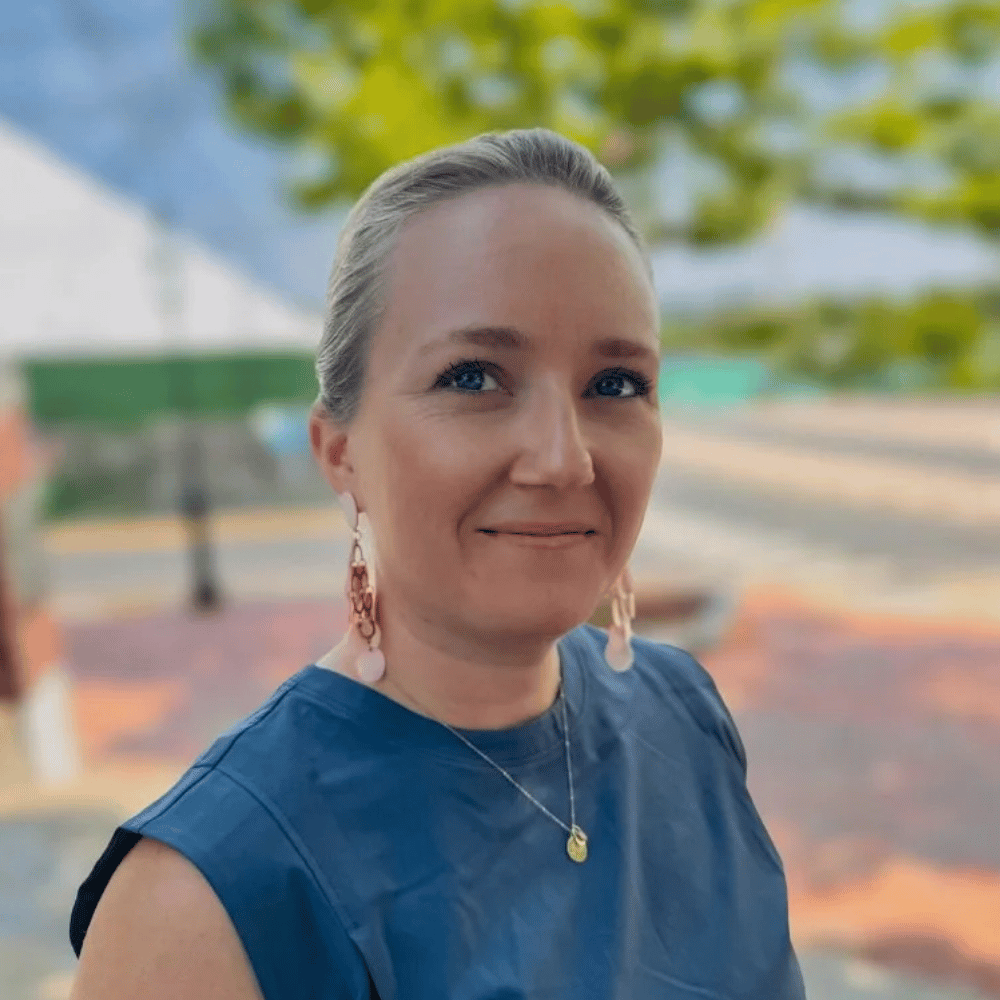
Melissa Bright, PhD
After completing her PhD in developmental psychology from the University of Georgia, Dr. Bright spent eight years on the faculty at the University of Florida in both the College of Medicine and College of Education where she developed a multidisciplinary research agenda around family violence and social determinants of health.
As her research program advanced, she found the most important part of her work to be partnerships with community-based, direct service providers. More and more, she became disenchanted with the distance between her academic position and the community organizations she cared about. In 2021, Dr. Bright left academia to found the Center for Violence Prevention Research. Her goal was to create a research organization that was accessible to non-researchers and that conducted research with immediate implications for practice.
Dr. Bright’s work has been funded by the Centers for Disease Control and Prevention, National Science Foundation, the American Psychosomatic Society, AcademyHealth, and several not-for-profit organizations. She has published dozens of papers in high impact scientific journals including JAMA Pediatrics and the Morbidity Mortality Weekly Report (MMWR) published by the Centers for Disease Control and Prevention (CDC).
Dr. Bright is a member of the National Coalition for the Prevention of Child Sexual Abuse, the Florida Maternal Mortality Review Committee, Florida’s 8th Judicial Circuit Child Fatality Review Committee, and on the board of the National Resource Center on Domestic Violence (NRCDV).