
A Developmental Model for Assessing Adolescents with Problematic Sexual Behaviors
Already purchased an On Demand training?
Click here to access your Safer Society On-Demand Training Center account.
Evaluations of adolescents with problematic sexual behaviors (PSB) often focus on future risk and  recidivism, consistent with the Risk-Need-Responsivity (RNR) model. However, the low base rate of known sexual re-offense and moderate effect size of risk tools limit the accuracy of these assessments. Further, youths with PSB are still very much “works in progress.” Their abilities to anticipate consequences, solve problems effectively, and apply prosocial reasoning are still developing. Therefore, additional assessment methods may help professionals identify the most relevant risk factors and support the establishment of appropriate treatment goals.
In this training, Dr. Norbert Ralph presents a developmental model for adolescent assessment, emphasizing factors that disrupt normative, prosocial psychosexual development and highlighting treatable conditions that can reduce risk for repeating problem sexual behaviors. Research has identified several potentially modifiable risk factors, each linked to a threefold increase in recidivism risk:
• ADHD or related disorders
• Mood disorders
• Learning problems
• Abuse or trauma history
• Family conflict
• Sibling conflict
Dr. Ralph outlines best practices, including the structured use of quantitative and qualitative methods, multi-informant data, and alignment with standards from the American Academy of Pediatrics. He illustrates these practices through shared tools and case examples, including assessments of prosocial reasoning and brain development.
Finally, Dr. Ralph discusses the relational aspects of evaluation—working collaboratively with distressed youths and families—and emphasizes the importance of delivering a supportive, informative, and empowering treatment process. Drawing on over 45 years of experience in adolescent assessment, treatment, and research, as well as his expertise in neuropsychology and psychiatric epidemiology, Dr. Ralph demonstrates how these principles apply across diverse settings, from private practice to treatment programs. These practices have also been used to formulate California state guidelines.
1) Explain the shortcomings of assessments that focus only on risk
2) List critical areas of functioning that are risk-relevant and can be modified through treatment
3) Create individualized treatment plans for adolescents who have sexually abused
4) Describe recent research findings of sexual re-offense rates by adolescents
Audience
This training is for professionals—including social workers, psychologists, counselors, probation officers, case managers, and other mental health professionals—who conduct assessments of adolescents. It is also useful for those work with adolescents in the juvenile justice and related systems who wish to better understand adolescents who have sexually abused others.
Content Level
Disclosure
Continuing Education Approval
American Psychological Association (APA)
Safer Society Foundation, Inc. is approved by the American Psychological Association (APA) to sponsor continuing education for psychologists. Safer Society Foundation, Inc. maintains responsibility for this program and its content.
Association of Social Work Boards (ASWB)
Safer Society Foundation, Inc., provider #233, is approved to offer social work continuing education by the Association of Social Work Boards (ASWB) Approved Continuing Education (ACE) program. Regulatory boards are the final authority on courses accepted for continuing education credit. ACE provider approval period: 6/6/2026-6/6/2029. Social workers completing this course receive 3 clinical continuing education credits.
Who's Presenting
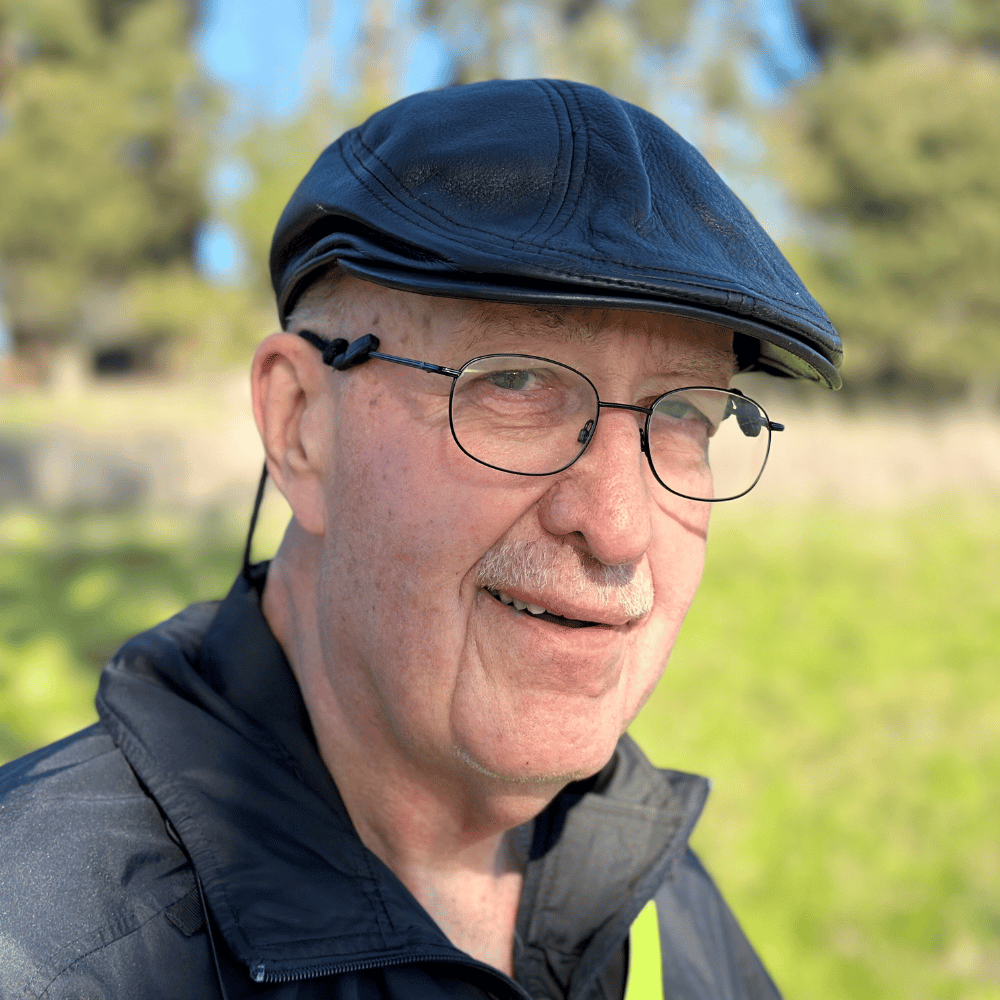
Norbert Ralph, PhD, MPH
Dr. Ralph is a clinical psychologist, psychiatric epidemiologist, and neuropsychologist. He previously served as Director of Behavioral Pediatrics at UC Davis, where he provided neuropsychological assessment and treatment for youth with ADHD. He also served as a volunteer Associate Clinical Professor in Family Practice at UC Davis and was formerly a faculty member at the University of California, Berkeley School of Public Health.
For 15 years, Dr. Ralph served as Alienist Panel Coordinator for the City and County of San Francisco. In that role, he coordinated psychological testing for the juvenile court. Upon leaving that position, he received the Public Health Hero Award from San Francisco in recognition of his years of service, advocacy for youth, direct clinical service at Juvenile Hall during the pandemic, innovation and use of evidence-based methods, and technological innovations.
Dr. Ralph is the author of more than 50 articles, book chapters, books, and blogs. He is also a 2026 faculty member for the Judicial Council of California, and a member of the HUB youth advisory group based in South Africa. He is a Fellow of the Association for the Treatment and Prevention of Sexual Abuse (ATSA). He serves as Co-Chair of the ATSA Juvenile Committee and as the Adolescent Representative on the California Sex Offender Management Board, where he contributed to the 2022 Youth Guidelines.