
A Culturally Responsive Approach for Working with Latine and Spanish-Speaking Individuals in Forensic Settings
This training will be converted into an on-demand format within two weeks following the live event. The on-demand version will be available for separate purchase, providing access to the training content for those who were unable to attend the live event or prefer a self-paced learning experience.
Forensic practitioners are ethically committed to conducting culturally sensitive evaluations and legally bound by rules of evidence and due process. While ethics and law define ideal and impermissible practice, they rarely specify how to achieve work that is both culturally responsive and legally defensible. Science offers clearer clinical guidance, but much of forensic research has been developed using predominantly White, English-speaking samples, often overlooking the lived experiences of culturally and linguistically diverse individuals. As a result, practitioners working with Latine individuals, particularly those with low English proficiency and low acculturation, frequently face limited guidance, unanswered research questions, and uncertainty in applying evidence-based practices. Dr. Aparcero-Suero developed this training to address the gap between current research and the practical needs of working with Latine and Spanish-speaking individuals in the U.S. legal system.
The training begins with a research- and practice-informed review of how sociocultural factors can influence behavior, communication, symptom expression, and interactions with legal and mental health professionals. These cultural differences may be misinterpreted as pathology, deception, or lack of insight, potentially leading to inaccurate case formulations, ineffective interventions, and unjust legal outcomes. Next, the training discusses how to work effectively with interpreters. It then presents an approach to conducting evaluations with this population that mitigates bias and avoids stereotyping, including guidance on test selection and data interpretation that accounts for culture, language, and the cross-cultural psychometric properties of commonly used psychological and forensic assessment instruments. Dr. Aparcero-Suero also addresses sex offender risk assessment, examining how sociocultural characteristics influence pathways to offending and treatment responsivity. The training concludes with a discussion of current gaps and future research needed to advance culturally responsive care.
Interactive Follow-Up Meeting
Attendees are invited to join an open discussion 15 minutes following the end of the training, where you can engage with fellow attendees by turning on your camera and microphone. This is an opportunity to share your experiences and contribute to a meaningful exchange of ideas. Time will be allocated to address questions or insights from the training. Please note that attendance is optional and will not affect your eligibility for a training certificate.
1) Explain why culture matters to the practice of forensic psychology.
2) Identify sociocultural factors and values relevant to the Latine population and recognize the ethnocultural diversity within this population.
3) Describe guidelines for selecting and working effectively with interpreters.
4) Apply an approach to culturally responsive forensic practice, including evaluating the appropriateness of available assessment instruments for use with Latine and Spanish-speaking populations.
5) Appraise considerations for culturally responsive risk assessment and management of Latine men adjudicated for sexual offenses, in light of available empirical evidence.
Audience
This training is primarily for professionals who work with Latine and Spanish-speaking individuals. This includes psychologists, social workers, psychiatrists, counselors, and evaluators conducting culturally responsive forensic assessments. This training may also interest professionals seeking to strengthen their cultural competency skills more broadly.
Content Level
Disclosure
Cancellations
Continuing Education Approval
American Psychological Association (APA)
Safer Society Foundation, Inc. is approved by the American Psychological Association (APA) to sponsor continuing education for psychologists. Safer Society Foundation, Inc. maintains responsibility for this program and its content.
Association of Social Work Boards (ASWB)
Safer Society Foundation, Inc., provider #233, is approved to offer social work continuing education by the Association of Social Work Boards (ASWB) Approved Continuing Education (ACE) program. Regulatory boards are the final authority on courses accepted for continuing education credit. ACE provider approval period: 6/6/2026-6/6/2029. Social workers completing this course receive 3 cultural competency continuing education credits.
Who's Presenting
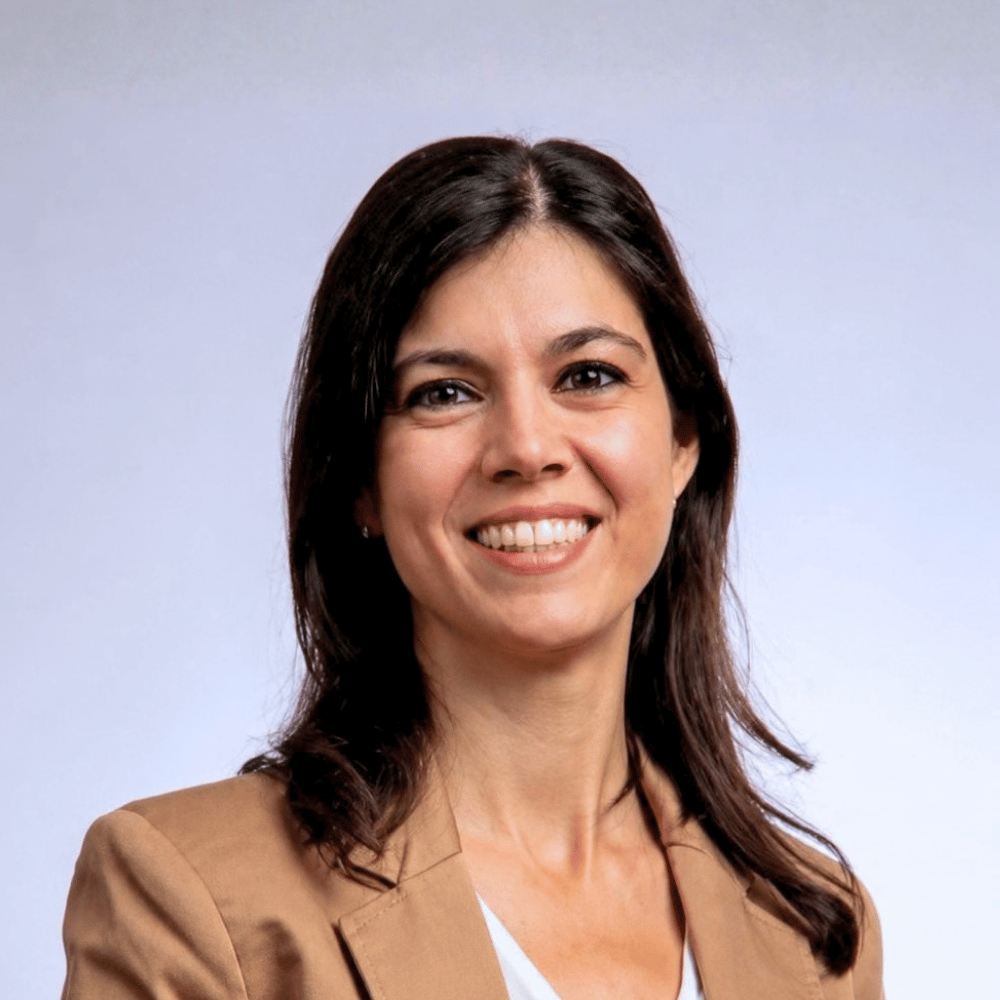
Maria Aparcero-Suero, PhD
Maria Aparcero-Suero, Ph.D. is an Assistant Professor and Director of Forensic Mental Health Services at Southern Illinois University. She is a bilingual (English & Spanish) licensed clinical and forensic psychologist. Dr. Aparcero-Suero completed her Ph.D. in Clinical Psychology with a Forensic Psychology concentration at Fordham University and a Forensic Psychology Postdoctoral Fellowship at Patton State Hospital. Prior to her doctoral studies, she earned a master’s degree in Criminal Justice & Criminology at East Tennessee State University.
Dr. Aparcero-Suero’s research examines the validity of psychological and forensic assessments, emphasizes their application with culturally and linguistically diverse adults, and provides practical solutions to support practitioners’ needs through, for example, the development or adaptation of assessment instruments. Dr. Aparcero-Suero is a member of the editorial board of the International Journal of Forensic Mental Health and conducts ad hoc reviews for several prominent journals. She is a member of the American Psychology-Law Society (AP-LS)’s Early Career Professional Committee, the International Association of Forensic Mental Health Services (IAFMHS)’s Equity, Diversity, and Inclusion Committee, and the Sociedad Española de Psicología Jurídica y Forense (Spanish Society of Legal and Forensic Psychology).