CALM Conversations to Prevent Suicide: Counseling on Access to Lethal Means
Please note: This training is not eligible for CE credits.
Each registration includes a certificate for attendance. To be eligible for a certificate, you must attend the entire live training and complete an evaluation form within 24 hours following the live event.
Conversations about access to lethal means, such as firearms and medications, are critical to effective suicide prevention. Most situations in which someone feels suicidal are often temporary, typically lasting only minutes or hours, which means timely intervention can save lives.
Unfortunately, many people experiencing suicidal thoughts do not have access to behavioral or physical health care. Yet they often signal to others—directly or indirectly—that they are struggling. This CALM (Counseling on Access to Lethal Means) workshop is designed to provide friends, family, and community members with the knowledge and skills to recognize and respond to suicide risk. It places a particular focus on reducing access to lethal means, especially firearms, and on how to talk with someone who might be having these thoughts in supportive, nonjudgmental, and collaborative conversations.
CALM Conversations provides knowledge and skills in four areas:
- Understanding basic facts and common misconceptions about suicide, recognizing risk factors and warning signs, and appreciating the importance of means safety in protecting at-risk individuals.
- Asking about mood and suicidal thoughts.
- Connecting at-risk individuals to both formal and informal sources of support.
- Discussing safety and making the environment safer for the at-risk individual until their emotional state improves.
This training is intended for a general audience and does not require any prior experience or education in mental health or suicide prevention.
1) Discuss common risk factors and warning signs for suicide
2) Ask direct, safe, and compassionate questions about mood and suicide
3) Identify formal and informal sources of support that the individual can turn to
4) Initiate conversations about making the individual’s environment safer
Audience
This training is designed for individuals interested in suicide prevention, including professionals who work with clients at risk for suicidal ideation or behaviors. Community members, mental health counselors, social workers, clinical psychologists, forensic experts, paraprofessionals, and advocates will all benefit from this training.
Content Level
Cancellations
Who's Presenting
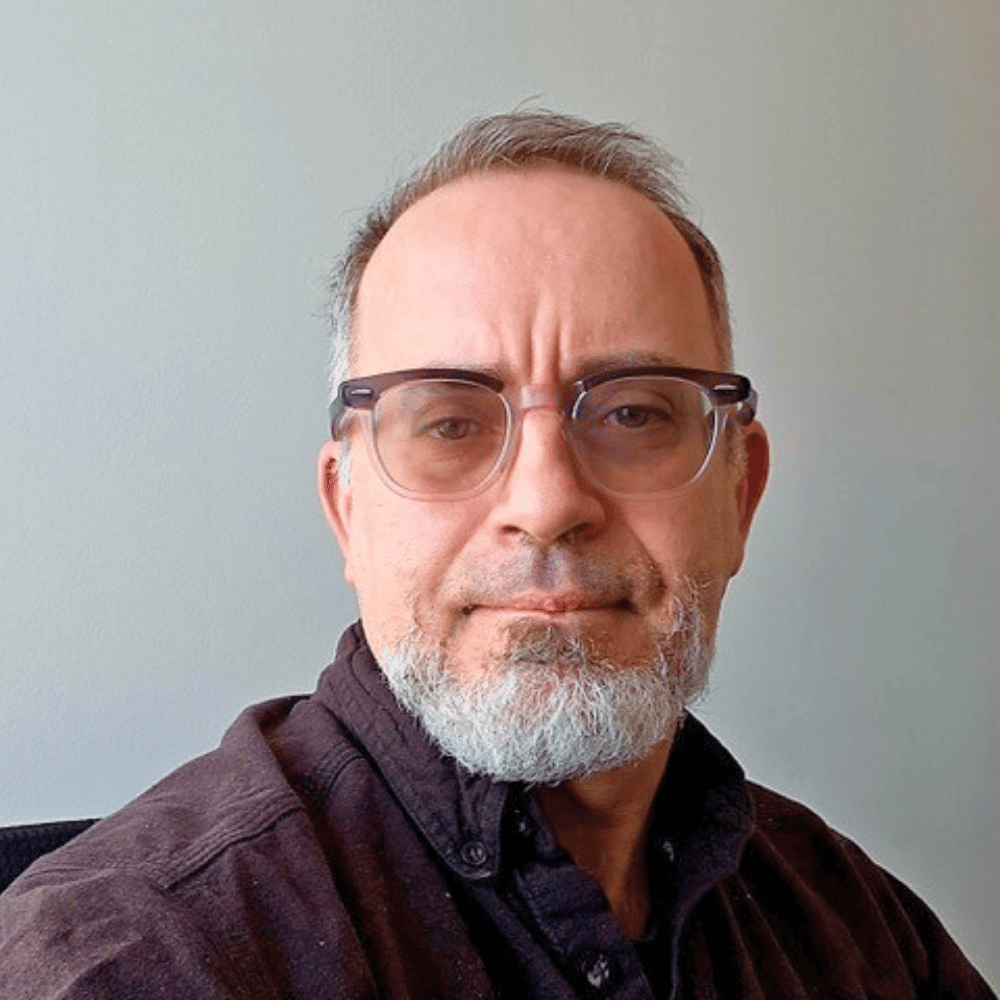
Mark Margolis, MA
Mark Margolis, Psychologist, MA, is a Vermont licensed Psychologist who has worked in the field of mental health crisis services for nearly 25 years. In addition to years of practice supporting individuals in suicide crisis as a crisis professional, Mr. Margolis is a certified trainer in Counseling on Access to Lethal Means (CALM), UMatter suicide prevention and awareness training, and a provisionally certified trainer in the Applied Suicide Intervention Skills Training (ASIST). Mr. Margolis is certified in the Collaborative Assessment and Management of Suicidality (CAMS) and is a career Suicidologist. Currently Mr. Margolis is serving as the Suicide Prevention Coordinator and a Clinical Manager for Howard Center in Chittenden County, Vermont.