
Working with Male Survivors of Sexual Abuse: Intersectional Approaches to Healing
Already purchased an On Demand training?
Click here to access your Safer Society On-Demand Training Center account.
Few experiences fill a person with a greater sense of shame, stigma, and misunderstanding than sexual abuse. Men who have been harmed sexually can become marginalized and isolated, with limited resources available  to them or those who support them. This training explores the impact of this harm on men through an intersectional lens, exploring how their unique identities, circumstances, and society’s views can either support their recovery or compound their trauma.
Throughout his career, Jeremy Sachs has developed a thorough understanding of how sexual abuse affects males and how it interacts with other aspects of their identity. Drawing on his experience as a therapist supporting individuals living with trauma and marginalization, and as the author of An Intersectional Guide for Male Survivors of Sexual Abuse and their Allies: Masculinity Reconnected, Sachs addresses the following topics during the training:
- The concept of “sexual self”
- Psychosexual development from infancy to adulthood
- The impact of abuse during different developmental epochs (childhood, adolescence, and adulthood)
- Controversial areas such as the term “compulsive sexual behavior” and sex addiction, with attention to questions around etiology and how addiction is defined
- Compulsive sexual behaviors observed in some male survivors, such as using psychoactive drugs to enhance sexual experiences, engaging in risky sex, or developing sexual attraction to digital entities
- Societal stigma and pathologization in therapy related to sexual trauma and queer identities, including trans and non-binary, BDSM communities, and nontraditional expressions of sexuality
This training helps participants refine their understanding of the after-effects of abuse on males, which too often persist long after the abuse occurred.
1) Describe the impact of sexual abuse on men
2) Analyze current areas of controversy, such as compulsive sexual behavior and sexual addiction
3) Summarize psychosexual development from infancy to adulthood
4) Explain how a history of sexual victimization can interact with other aspects of one’s identity
Audience
This training is intended for professionals who work directly with adult and adolescent males who have been sexually abused or are otherwise affected by it, and their caregivers. This includes mental health counselors, social workers, clinical psychologists, and forensic experts.
Content Level
Who's Presenting
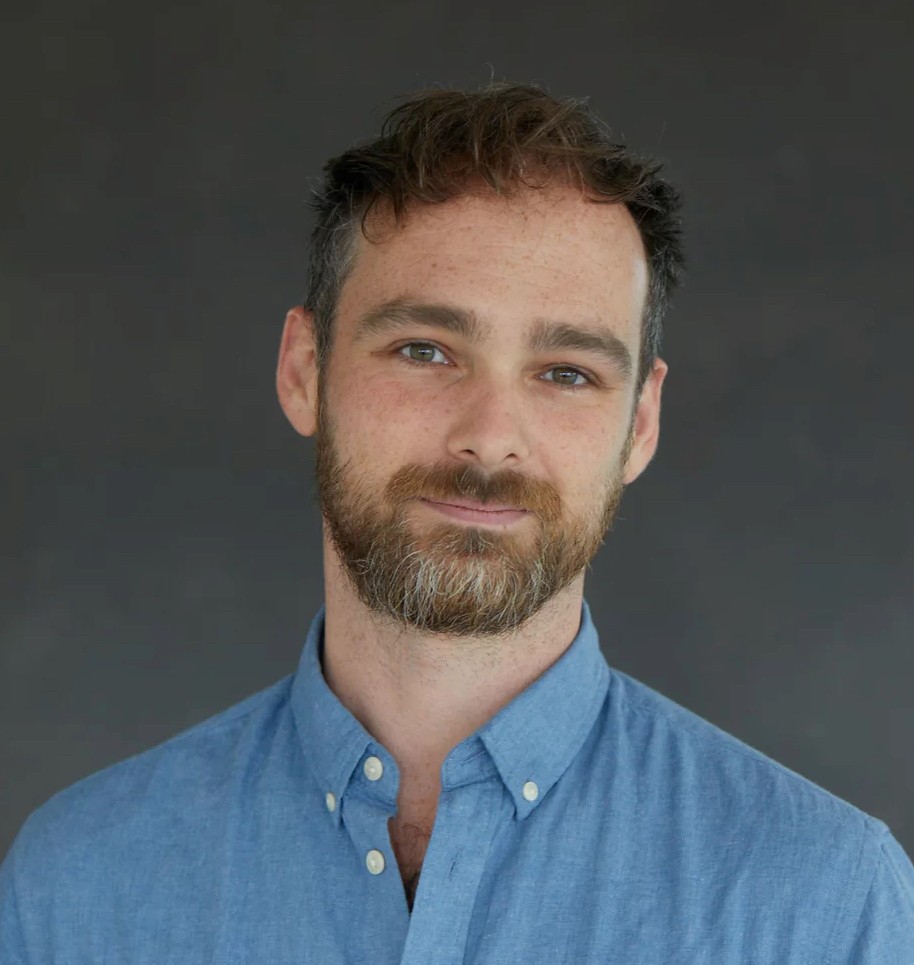
Jeremy Sachs, MBACP, Dip.Couns
Jeremy Sachs, MBACP, Dip.Couns, is based in Scotland. He is an integrative psychotherapist and narrative exposure therapist who works intersectionally with individuals and in groups. Additionally, he is Course Director of the COSRT-accredited Diploma in Trauma Therapy at the NAOS Institute, London and on the Board of Directors for Wellbeing Scotland.
Mr. Sachs draws on training in various therapeutic approaches to support clients in a person-centered therapeutic relationship, incorporating psychodynamic insights and psychoeducation. His goal is to create a safe and supportive environment where clients can explore past trauma, challenging behaviors, or difficult emotions.
Mr. Sachs work with clients from a wide range of experiences and backgrounds, and in addition to this, specializes in supporting abuse survivors and those affected by relational wounds. This includes people of all genders who have experienced sexual abuse at any age, as well as those navigating unsafe or challenging environments and relationships.
With over a decade of experience, he has facilitated sexual abuse recovery groups tailored for men, boys, and trans folk. He is also a trustee at Wellbeing Scotland, an abuse survivor charity, advising on the clinical delivery of services that support all genders.